Why Are My Little Tree Plant Leaves Curling?
Biophytum sensitivum
By the Greg Editorial Team
Mar 09, 2024•4 min read
This article was created with the help of AI so we can cover more plants for you. May contain errors. See one? Report it here.
- 🌱 Upward curl for water, downward for pests or too much moisture.
- 🌡️ 65-75°F and balanced humidity prevent temperature and moisture-related curling.
- 🚿 Consistent care and adjustments with seasons keep leaves uncurled.
Spot the Curl: Identifying Leaf Curling in Little Tree Plants
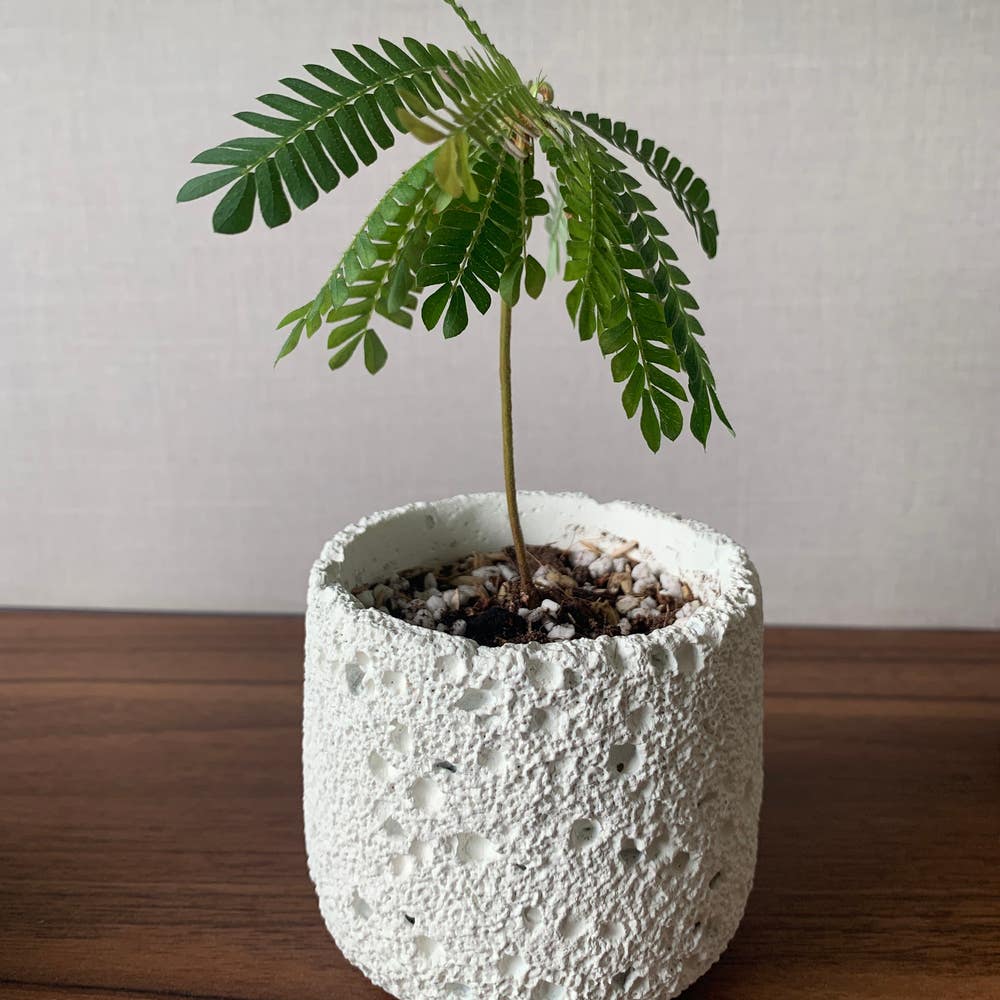
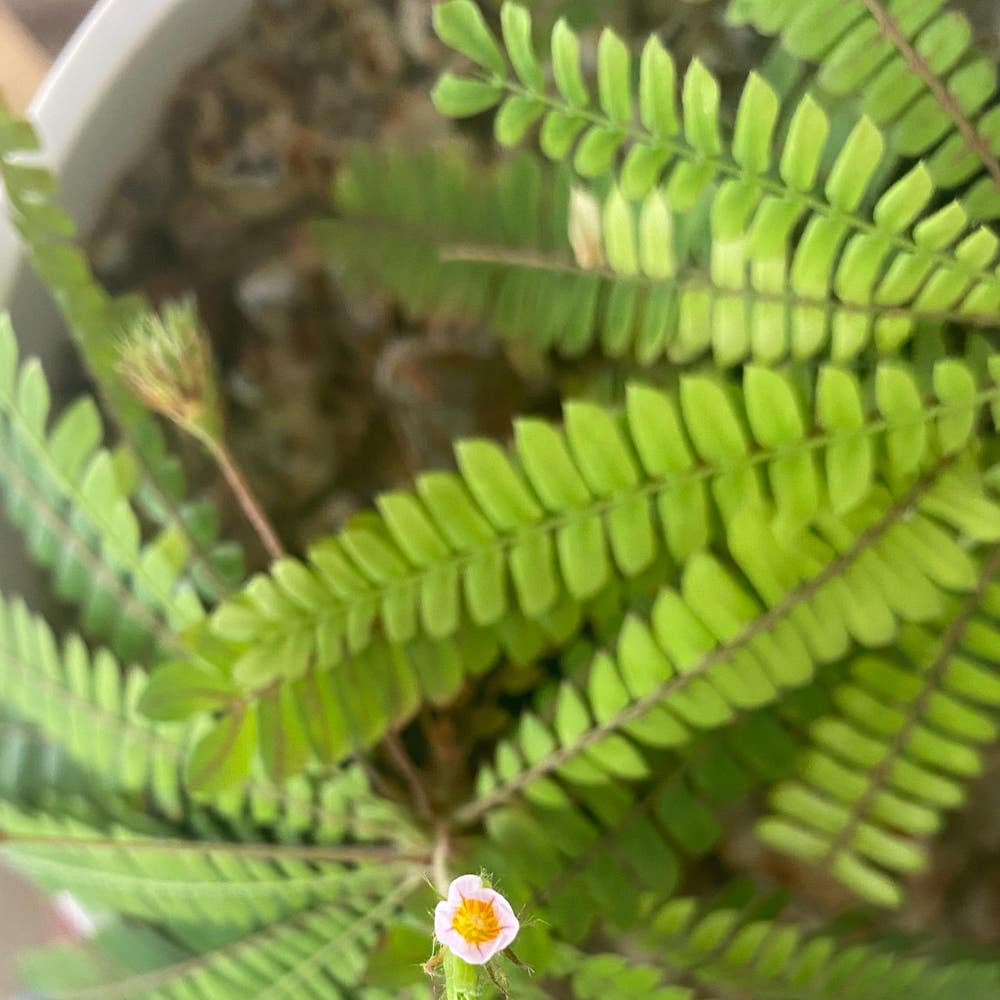
Leaf curling in Little Tree Plants can be a visual puzzle. Upward curls often signal a plea for more water, while downward spirals may indicate too much moisture or pest problems.
🌡️ When the Environment Gets Tough
🔥 Too Hot to Handle
Heat stress can make leaves curl up as if trying to shield themselves from the sun's intensity.
💦 Humidity Highs and Lows
The right humidity level is like a comfort blanket for your plant. Too dry or too damp, and the leaves will let you know with their contorted shapes.
🌞 Let There Be Light (But Not Too Much)
Balancing sunlight is key. Too much and the leaves curl up in protest; too little and they might reach up as if begging for rays.
💧 Water Woes: The Thirsty and the Drowned
Signs Your Little Tree Plant is Swimming or Parched
Leaves curling down could be swimming in excess water. If they're curling up, they're likely parched and thirsty.
📅 Nailing the Perfect Watering Schedule
Get a moisture meter or use the finger test. It's about finding that watering sweet spot to keep the leaves uncurled and happy.
🐜 Unwanted Guests: Pests and Diseases Crashing the Party
Common Culprits
Look out for pests like aphids and spider mites. They're the uninvited guests that leave a mess of curled leaves behind.
🧼 Keeping It Clean
Disease prevention is about cleanliness and vigilance. Regular inspections can prevent a full-blown fungal fiesta on your plant's leaves.
Curl No More: Fixing the Issues
🔥 Turning down the heat: Quick environmental fixes
Temperature fluctuations are the drama queens of the plant world. Keep the environment for your Little Tree Plant as stable as a well-balanced table. If you're roasting or freezing, chances are your plant feels it too. Aim for a consistent and comfortable range between 65-75°F (18-24°C). No sudden temperature drops or Sahara-like heat waves, please.
💧 Watering right: Adjusting your routine for happier leaves
Watering is an art form, and your Little Tree Plant is the canvas. Overwatering is a no-go; soggy soil is the express lane to Root Rot City. Before you water, do the touch test. The soil should feel like a wrung-out sponge—moist, not drenched. Adjust your watering schedule with the seasons: less in winter, more in summer. It's like syncing to nature's playlist.
🐜 Evicting pests: Safe treatments to get rid of the buggers
Pests are party crashers, and it's time to bounce them out. Spot aphids, spider mites, or other freeloaders? Hit them with a blast of water or go for the gentle knockout with insecticidal soap or neem oil. Keep your plant clean; it's like pest repellent. If you're dealing with the stubborn types, consider introducing beneficial insects—they're like the neighborhood watch for your greenery.
Keeping It Straight: Preventing Future Leaf Curl
Regular check-ups are crucial for maintaining the health of your Little Tree Plant and preventing leaf curl. Like a personal trainer keeping tabs on your fitness, you should monitor your plant's leaves for early signs of distress. Discoloration, spots, or changes in texture can be tell-tale signs that your plant is not in its prime condition.
🕵️ What to Look for During Plant Inspections
- Leaf color: Should be vibrant, not dull.
- Leaf texture: Smooth and supple, not brittle or soft.
- Growth patterns: Even and consistent, without deformities.
Adjusting care routines with the changing seasons is like swapping out your wardrobe to suit the weather. Your plant's needs will vary throughout the year, and staying attuned to these shifts can prevent leaf curl.
🛠️ Adjusting on the Fly
- Watering: Less in winter, more in summer.
- Sunlight: Rotate the plant for even exposure.
- Temperature: Keep consistent, avoid drafts or sudden changes.
Remember, consistency in care is the backbone of leaf health. Establishing a routine that's as reliable as your morning coffee can make all the difference. And when you do spot something amiss, act swiftly—your plant will thank you for it.
⚠️ Safety First
This content is for general information and may contain errors, omissions, or outdated details. It is not medical, veterinary advice, or an endorsement of therapeutic claims.
Always consult a qualified healthcare professional before using any plant as food, medicine, or supplement.
Never eat any plant (or feed one to pets) without confirming its identity with at least two trusted sources.
If you suspect poisoning, call Poison Control (800) 222-1222, the Pet Poison Helpline (800) 213-6680, or your local emergency service immediately.
Spotted an error? Please report it here.
Keep your Little Tree Plant's leaves flawlessly flat 🍃 by using Greg to dial in the perfect watering and care routine, avoiding the curling conundrum altogether.