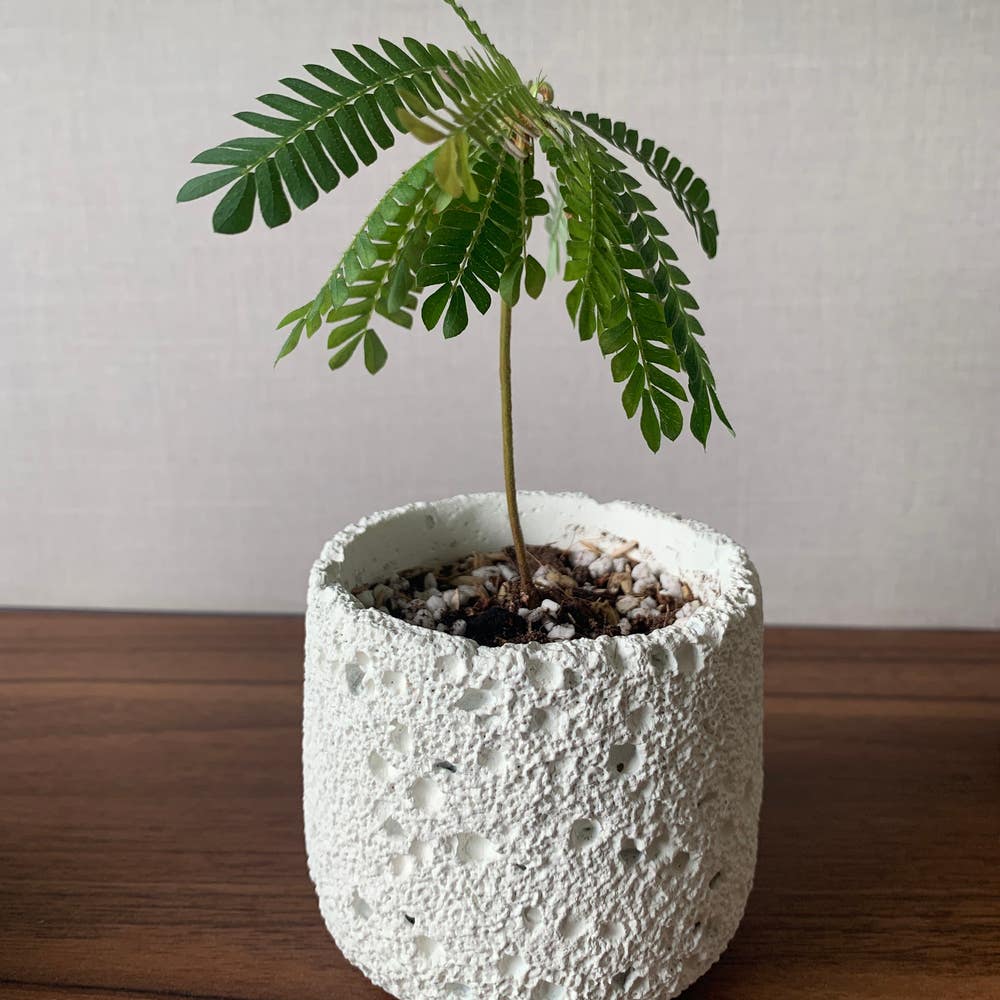
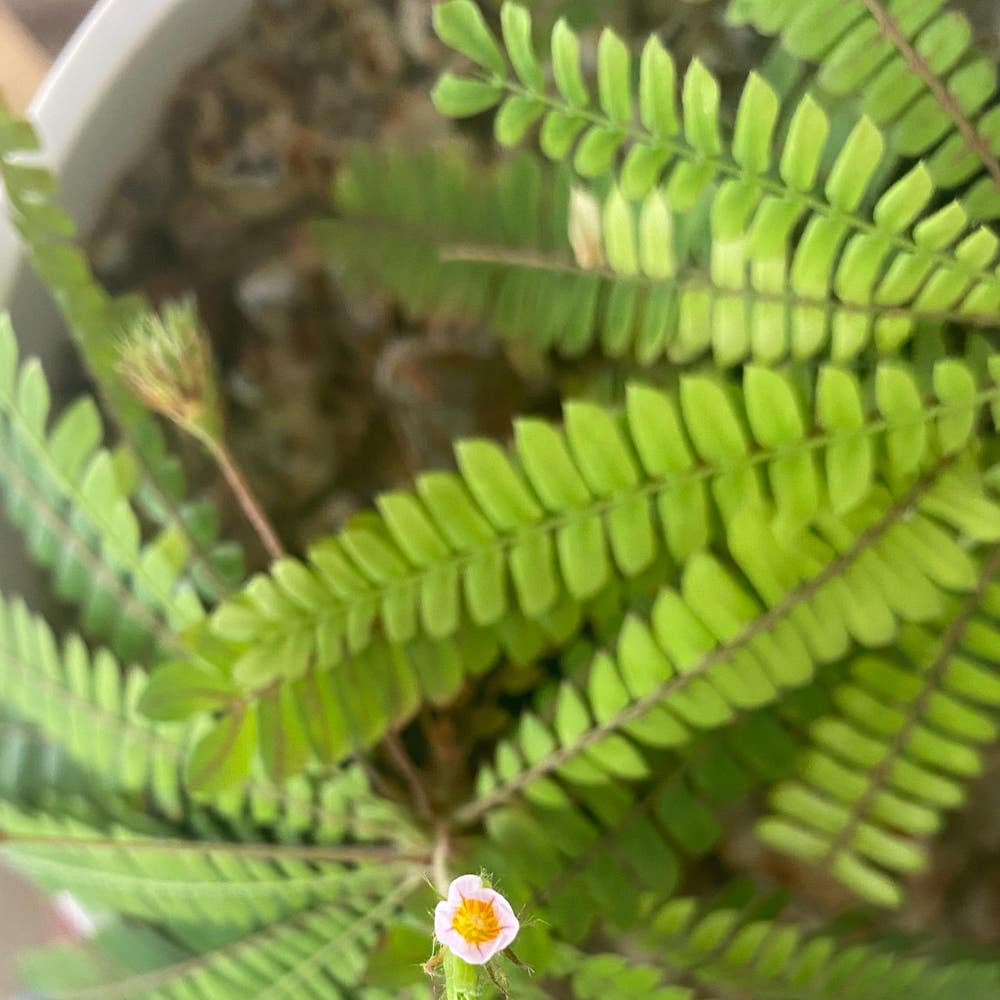
Why Are My Little Tree Plant Leaves Falling Over?
Biophytum sensitivum
By the Greg Editorial Team
Mar 09, 2024•4 min read
This article was created with the help of AI so we can cover more plants for you. May contain errors. See one? Report it here.
- Overwatering causes root rot, while underwatering leads to wilting leaves.
- 🌞 Adequate light is key; rearrange or use grow lights for health.
- 📅 Create a care calendar and perform regular check-ups for plant vitality.
Diagnosing the Droop: Key Culprits to Consider
💧 Too Much H2O: The Perils of Overwatering
Yellowing leaves and mushy stems are telltale signs your Little Tree Plant might be getting too much love in the liquid form. Overwatering leads to a soil consistency that's more sludge than substrate, setting the stage for root rot.
If the soil clings to your finger with a desperate grip, it's a clear signal to ease up on the watering can. Soggy soil not only spells trouble but can also turn your plant's roots into a mushy graveyard.
🏜️ Thirsty Roots: The Underwatering Equation
Conversely, if your Little Tree Plant's leaves droop like overcooked spaghetti, it might be crying out for a drink. Wilting leaves and dry soil are the SOS signals of underwatering.
To strike a balance, ensure the soil is moist but not drenched. Your plant's water budget needs to be just right—think of it as the Goldilocks zone for hydration.
🌞 Seeking the Sun: Light Deficiency and Leggy Growth
Low light can leave your Little Tree Plant stretching for the sun, resulting in leggy growth and a less-than-lively appearance. If your green buddy is leaning more than the Tower of Pisa, it's time to reassess its spot in your home.
Finding the sweet spot for sunlight is crucial. Too little and your plant becomes a shadow of its former self; too much and you might as well hand it a pair of sunglasses. Sunlight solutions may include rearranging your space or investing in grow lights.
Turning the Tide: Rescue Remedies for Your Little Tree Plant
💧 Fine-Tuning the Watering Regimen
Moisture management is crucial. Use a moisture meter or the trusty finger test to ensure the soil is neither a swamp nor a desert. Consistency is key, but always verify soil moisture before watering.
🛠 Tools and tricks for keeping water levels just right
Employ a watering schedule, but stay flexible—adapt to your plant's changing needs. Consider using self-watering pots or drip irrigation systems for even hydration without the guesswork.
💡 Let There Be Light: Illuminating Solutions
Rearranging your plant can make all the difference. Ensure it's receiving ample light, but not so much it feels like it's on a beach without sunscreen.
🌞 Tips for optimal light placement
Place your Little Tree Plant in a spot where it gets indirect but bright light. East or west-facing windows are often ideal. Rotate the plant regularly for uniform growth.
💡 Supplementing sunshine: When to consider grow lights
If natural light is scarce, especially in winter, grow lights can be a game-changer. They provide consistent, controllable light, helping prevent your plant from becoming the botanical equivalent of a slouching teenager.
🍽 Feeding Finesse: Nutrient Know-How
Nitrogen is vital, but too much or too little can cause your plant to throw a fit. Use a balanced, water-soluble fertilizer, and follow the instructions—this isn't a time for improvisation.
🌱 Crafting the perfect nutrient cocktail for robust leaves
Soil testing isn't just for the pros. It can guide you to adjust fertilization to your plant's specific needs. Think of it as a tailored diet plan for your green buddy, ensuring it gets all the essential nutrients without overindulgence.
Proactive Plant Parenting: Preventing Future Flops
📅 Crafting a Custom Care Calendar
Syncing your plant care with the natural rhythms of your Little Tree Plant is like setting an alarm for its health. By crafting a care calendar, you're committing to a routine that aligns with its growth cycles and seasonal needs. Seasonal adjustments in your care routines are not just beneficial; they're critical for the plant's well-being as it responds to the changing environment.
👀 Vigilant Vigilance: Keeping an Eye on Plant Health
Early warning signs such as a slight lean or a subtle color change in leaves can signal a pending plant pout. Regular check-ups, akin to a plant's personal doctor's visit, are essential for catching these cues. By staying alert and responsive, you ensure your Little Tree Plant remains perky and prosperous.
⚠️ Safety First
This content is for general information and may contain errors, omissions, or outdated details. It is not medical, veterinary advice, or an endorsement of therapeutic claims.
Always consult a qualified healthcare professional before using any plant as food, medicine, or supplement.
Never eat any plant (or feed one to pets) without confirming its identity with at least two trusted sources.
If you suspect poisoning, call Poison Control (800) 222-1222, the Pet Poison Helpline (800) 213-6680, or your local emergency service immediately.
Spotted an error? Please report it here.
Keep your little tree plant leaves from falling over by letting Greg craft a custom care schedule 📅 that nails the watering and lighting balance for you!