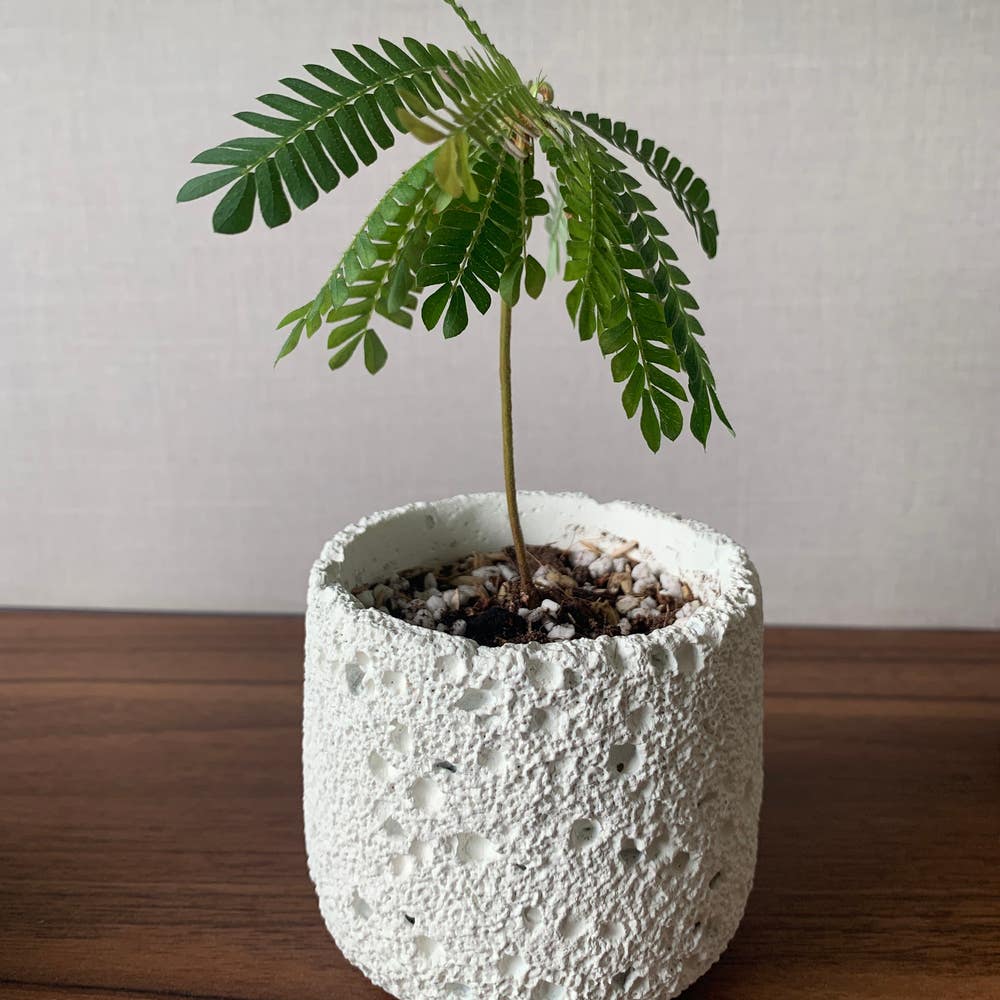
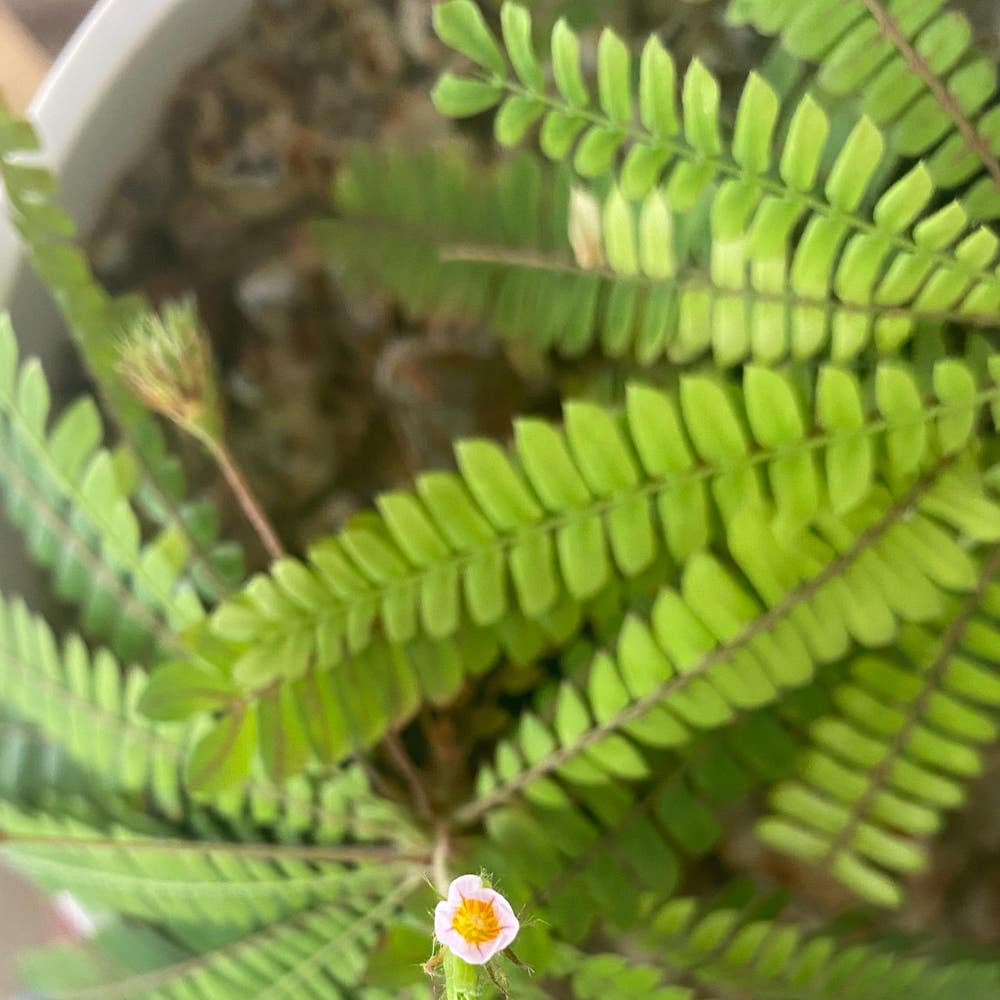
Why Are My Little Tree Plant Leaves Mushy? 💧
Biophytum sensitivum
By the Greg Editorial Team
Mar 09, 2024•4 min read
This article was created with the help of AI so we can cover more plants for you. May contain errors. See one? Report it here.
- 🚿 Overwatering leads to mushy leaves, resembling overcooked spinach.
- 🌱 Root rot and fungal infections need immediate treatment.
- 🌡️💧 Consistent climate and watering are key to plant health.
Spotting the Trouble: Signs Your Little Tree Plant is in Distress
💦 Overwatering Symptoms
Leaves resembling overcooked spinach are screaming overwatering. If your Little Tree Plant's foliage feels like a squishy sponge, it's time to dial back on the H2O. A pot heavier than your last cheat meal suggests the soil is too wet.
🕳️ Root Rot Red Flags
Root rot is the plant equivalent of a horror movie. Dark, mushy roots with a stench are crying out for an intervention. If the trunk starts resembling something from a zombie apocalypse, you've got a serious problem on your hands.
🍄 Fungal Infections: More Than Just Mush
Spotted leaves aren't trying to start a new trend; they're waving a white flag. A funky smell from the soil is your cue that a fungal gate-crasher has arrived. When your plant's roots look like they belong in a haunted house, it's time for a rescue mission.
First Aid for Your Little Tree Plant
✂️ Pruning the Problem
Pruning mushy leaves is like triage for your Little Tree Plant. Sterilize your scissors or shears to prevent spreading any pathogens. Snip off the affected leaves, ensuring you cut just above a leaf node to encourage healthy regrowth. Remember, less is more; you're not trying to win a topiary contest, just removing the damaged parts.
🌱 Reviving the Roots
Root rot is a death sentence if ignored. Unpot your plant and inspect the roots. Healthy roots are firm and white, while rotten ones are mushy and discolored. With sterilized scissors, cut away the bad roots. It's like cutting out the rot to save the patient. After the operation, consider a fungicide treatment or a natural alternative like neem oil to protect the remaining healthy roots.
🍄 Fungus Among Us: Getting Rid of the Unwanted Guest
Fungal infections are the party crashers of the plant world. If you spot a fungal fiesta, it's time to shut it down. Use a fungicide or neem oil, applying it with the precision of a surgeon following post-op instructions. And just like any good recovery plan, monitor your plant's progress and be ready to adapt your care tactics.
Water Wisdom: Keeping Your Little Tree Plant Happy and Hydrated
💧 Fine-Tuning Your Watering Routine
Consistency is key in watering, but so is flexibility. Your Little Tree Plant isn't always thirsty; sometimes it just wants a sip. Check the soil before watering—if the top inch is dry, it's time to quench its thirst. Remember, overwatering is the fast track to mushy leaf city.
🌱 Soil and Drainage: The Dynamic Duo
The right soil mix is like a good support system—it keeps your plant stable and healthy. Aim for a mix that holds moisture without becoming waterlogged. As for pots, think of drainage holes as lifelines. No holes? Grab a drill. Your plant's roots need to breathe, not swim.
Creating the Perfect Environment for Your Little Tree Plant
🌡️ Temperature and Humidity Harmony
Consistency is the watchword when it comes to temperature and humidity. Your Little Tree Plant doesn't appreciate surprises. Aim for a steady climate that doesn't swing wildly; think of it as setting the perfect room temperature for a good night's sleep. Keep humidity levels around 40-50%, avoiding the extremes of a tropical rainforest or a desert. Tools like a humidifier or a pebble tray can help maintain this balance, but don't overdo it—nobody likes a soggy atmosphere.
🌱 Soil Maintenance and Aeration
Soil health is non-negotiable. You want a mix that's like a well-wrung sponge—moist but not waterlogged. Ensure proper drainage to prevent the dreaded root rot. Aeration is also key; think of it as giving your plant's roots room to breathe. Occasionally loosening the soil can prevent compaction, which is about as welcome as tight shoes on a long walk. Keep an eye on the soil's condition and don't be afraid to refresh or replace it if it starts to resemble a stale cake.
⚠️ Safety First
This content is for general information and may contain errors, omissions, or outdated details. It is not medical, veterinary advice, or an endorsement of therapeutic claims.
Always consult a qualified healthcare professional before using any plant as food, medicine, or supplement.
Never eat any plant (or feed one to pets) without confirming its identity with at least two trusted sources.
If you suspect poisoning, call Poison Control (800) 222-1222, the Pet Poison Helpline (800) 213-6680, or your local emergency service immediately.
Spotted an error? Please report it here.
Avoid the mushy-leaf blues and ensure your Little Tree Plant thrives with Greg's tailored watering reminders 🚿, keeping root rot and fungal foes at bay.