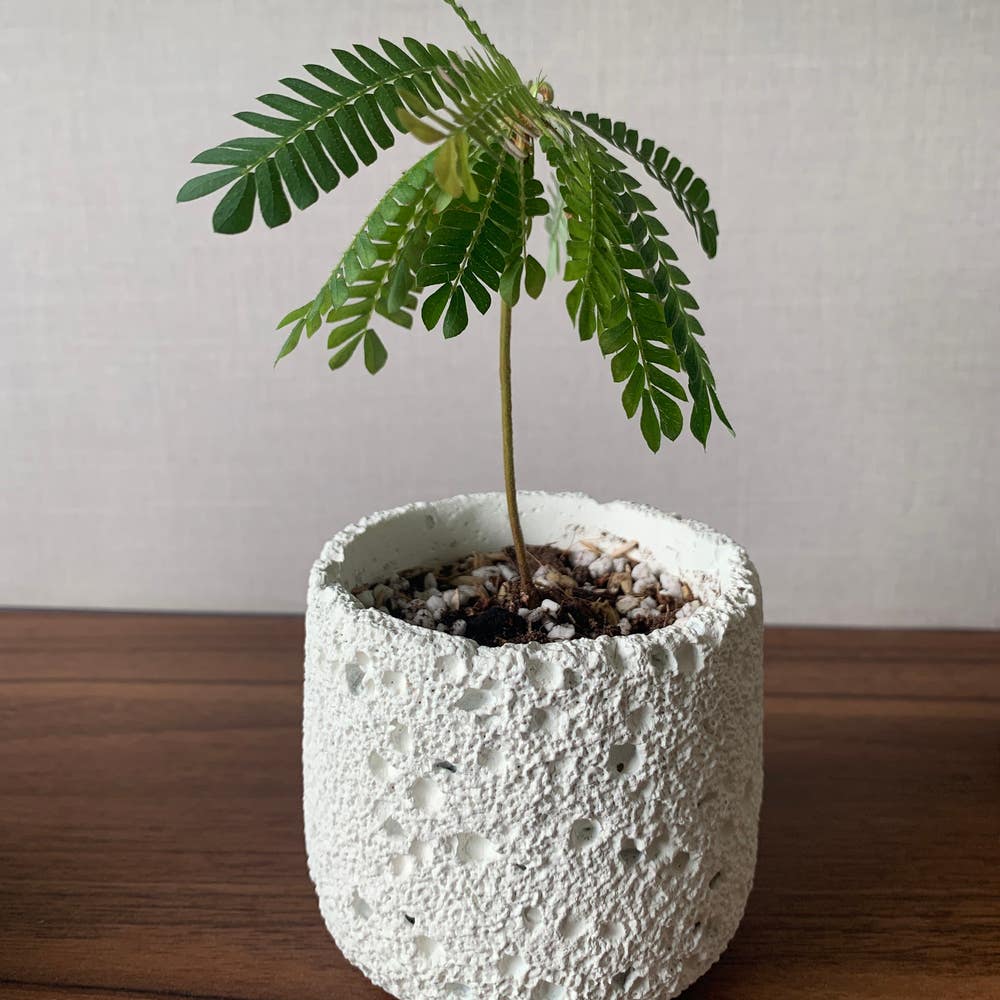
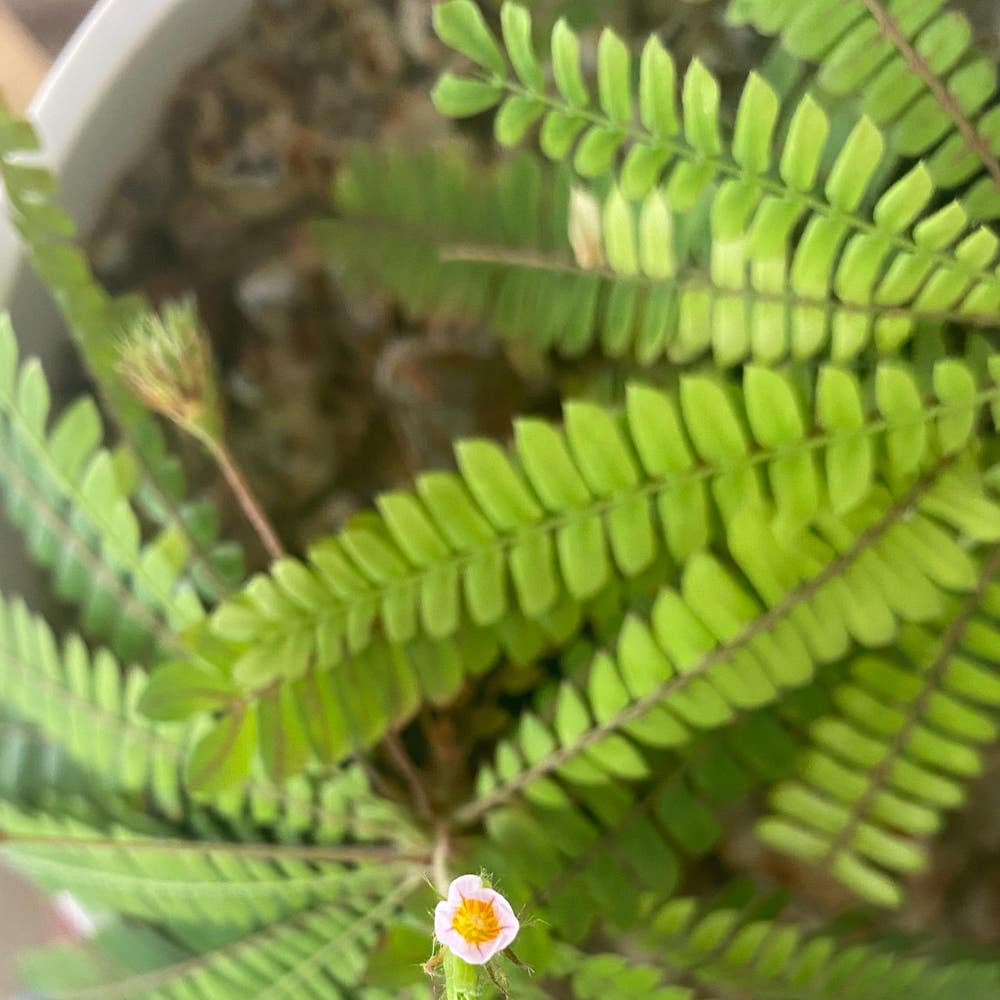
🌳 How Often Should I Water My Little Tree Plant?
Biophytum sensitivum
By the Greg Editorial Team
Mar 09, 2024•3 min read
This article was created with the help of AI so we can cover more plants for you. May contain errors. See one? Report it here.
- 🌱 Wilting and dry soil? Time to water your little tree plant.
- 💧 Adjust watering with seasons and plant growth stages.
- 🚫 Yellow leaves mean overwatering. Ensure proper drainage.
When Thirst Strikes: Recognizing Your Little Tree's Needs
🚰 Spotting the Telltale Signs
Wilting leaves on your little tree plant are a red flag; they're screaming for hydration. Dry soil that separates from the pot edges is a clear distress call for water. If your plant's leaves have the crispiness of a bag of chips, it's time to quench its thirst. Conversely, leaves that feel limp and have lost their vibrant color might indicate too much water.
🌊 Too Much Love: The Overwatering Red Flags
Yellow leaves are often mistaken for a cry for more water, but they can actually signal overindulgence. A base that's softer than a marshmallow? You might be drowning your plant in love. Root rot thrives in soggy conditions, so if the soil smells like a forgotten gym locker, it's time to reassess your watering habits. Keep the soil moist, not wet, and ensure it has a chance to dry out between waterings.
Crafting the Perfect Watering Schedule
💧 Seasonal Shifts and Watering Wits
As the seasons change, so does the thirst of your little tree plant. Summer demands more frequent watering sessions to support growth, akin to quenching the thirst of a marathon runner. Come winter, your plant's water needs drop, mirroring a bear in hibernation. It's crucial to monitor soil moisture and adjust your watering habits to the rhythm of the seasons.
🌱 Growth Spurts and Watering Adjustments
During growth spurts, your little tree plant is like a teenager during a growth spurt—hungry for more. This is when you'll want to increase watering to support its burgeoning foliage. But remember, size matters; a younger plant with a smaller root system will need less water than its fully grown counterpart. Keep a close eye on your plant's development and be ready to adapt your watering schedule to its changing needs.
The Art of Quenching Thirst: Watering Techniques
💧 The Right Pour
Top-down watering is the gold standard for a reason—it's like a gentle rain for your little tree plant. But don't be fooled by a damp surface; the goal is to reach the roots. Deep hydration is the name of the game, ensuring the water doesn't just tease the topsoil but soaks down to where it counts.
🚰 After the Rain: Drainage and Care
Drainage holes are your plant's lifeline. Without them, you're setting up a pool party for root rot, and trust me, that's one bash you don't want to attend. After watering, be vigilant—check the saucer and empty any excess water. It's like checking your pockets after a rainstorm; nobody wants to walk around with soggy feet.
Keeping Tabs: The Balancing Act of Watering
💧 Regular Check-ups
Regularly checking soil moisture is essential for your little tree plant's health. Use your finger to feel the top inch of soil; if it's dry, it's time to water. For a more precise approach, consider investing in a moisture meter. This handy tool can take the guesswork out of your watering routine, ensuring you're not under or overdoing it.
🌱 Adapting to Your Plant's Feedback
Your little tree plant will communicate its needs, often more clearly than your most straightforward friend. If the leaves perk up after watering, you're on the right track. However, if you notice yellowing or drooping, it's time to reassess your approach. Adjust your watering schedule based on these cues and remember, each plant has its own personality. What works for one might not work for another, so stay observant and be ready to pivot.
⚠️ Safety First
This content is for general information and may contain errors, omissions, or outdated details. It is not medical, veterinary advice, or an endorsement of therapeutic claims.
Always consult a qualified healthcare professional before using any plant as food, medicine, or supplement.
Never eat any plant (or feed one to pets) without confirming its identity with at least two trusted sources.
If you suspect poisoning, call Poison Control (800) 222-1222, the Pet Poison Helpline (800) 213-6680, or your local emergency service immediately.
Spotted an error? Please report it here.
Ensure your little tree plant never thirsts or drowns 🌳 with Greg's personalized watering reminders tailored to your home's unique environment.