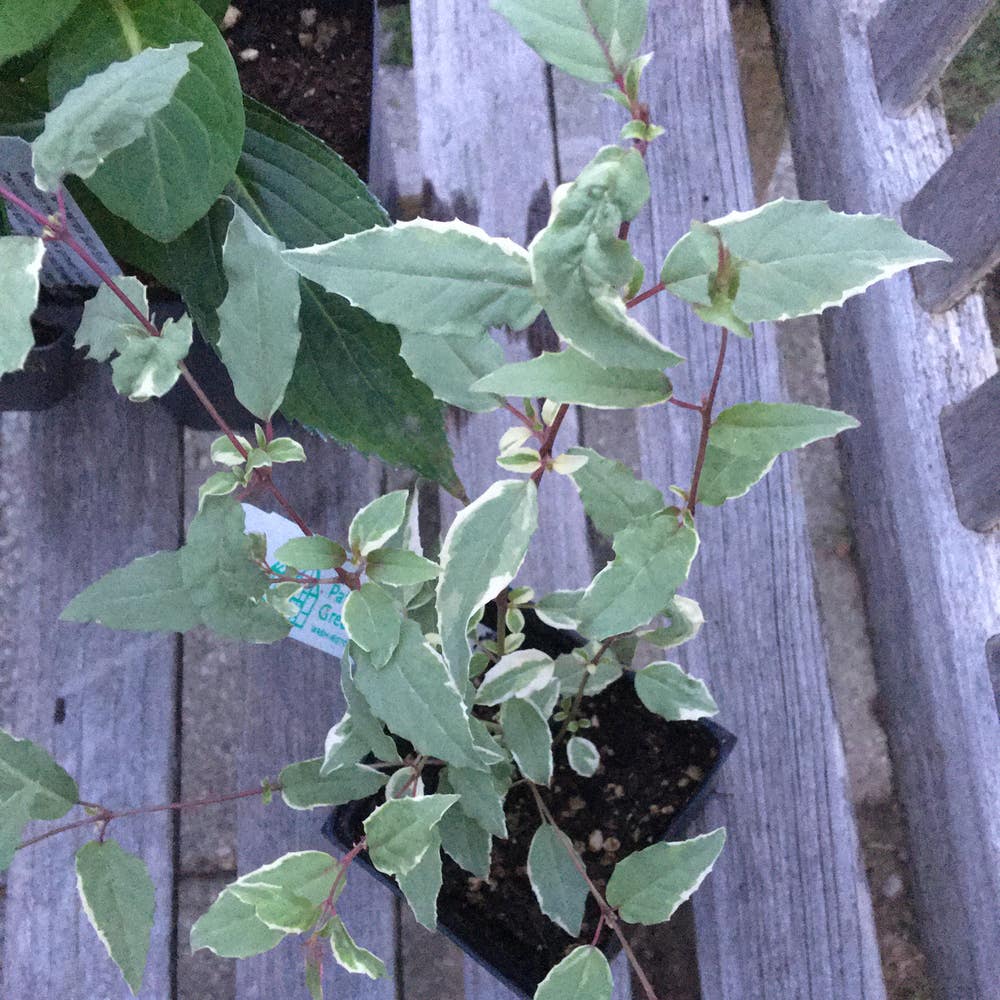
Propagating My Fuchsia triphylla: Step-by-Step Guide
Fuchsia triphylla
By the Greg Editorial Team
Jun 15, 2024•4 min read
This article was created with the help of AI so we can cover more plants for you. May contain errors. See one? Report it here.
Grow a lush Fuchsia triphylla garden 🌺 from scratch with our foolproof propagation guide!
- Gentle seed harvest from healthy fruit sets the stage for propagation.
- 75°F and bright light for successful seed germination.
- Monitor and adjust care to avoid common pitfalls like root rot.
Section

Section

From Tiny Seeds to Lush Fuchsia
🌱 Seed Starting Basics
Harvesting Fuchsia triphylla seeds is like a covert operation; you need a gentle touch and a keen eye. Look for mature, healthy fruit and extract the plump, shiny seeds with care.
🌱 Prepping for the Big Grow
Sowing these seeds isn't a slapdash affair. Mix peat moss, potting soil, and vermiculite in a container, creating a cozy bed for your future blooms. Lay the seeds on top, press them gently, and sprinkle a fine layer of soil over them like a delicate blanket.
🌱 Germination Station
Creating the perfect germination environment is about as straightforward as baking a soufflé—precision is key.
🌱 The Right Conditions
Maintain a steady 75 degrees Fahrenheit and give the seeds bright, indirect light. Think of it as a spa day for your seeds—they'll need that clear, loose plastic cover to sweat it out a bit.
🌱 The Waiting Game
Once the seeds sprout, ditch the plastic cover for a few hours daily to toughen up those seedlings. When they flaunt their first set of true leaves, it's go-time for planting. They're not just ready; they're eager.
Nurturing Your Propagated Plants
🌱 The Right Care for New Cuttings and Seedlings
New cuttings and seedlings are like the new kids on the block—they need some extra attention to settle in. Water them with the finesse of a bomb defuser, ensuring the soil is moist but not waterlogged. Warmth is their best friend, so keep them cozy, but not so hot that you're baking your green babies.
Monitor for new growth like a hawk; it's the first sign that your plant is giving you a green thumbs up. Celebrate every new leaf, but stay vigilant for signs of distress like yellowing or drooping—these are your plants' SOS signals.
🌿 Transplanting Time
When it's time to transplant, think of it as moving day for your plants. They need a gentle touch, like handling a raw egg. Start with a drainage layer in the new pot to keep those roots breathing easy.
Choose a potting mix that's the botanical equivalent of a gourmet meal—nutrient-rich and pre-fertilized. When you're tucking them into their new home, be as gentle as a brain surgeon. Water thoroughly after transplanting; it's like a housewarming party for the roots. Remember, no direct sunlight on these new transplants; they're not ready for their beach day yet.
Overcoming Propagation Pitfalls
🌱 Common Hiccups in Propagation
Root rot is a telltale sign of overwatering or inadequate drainage. If you find your Fuchsia triphylla's roots looking more like soggy spaghetti than sturdy anchors, it's time to reassess your watering habits and pot setup. Lack of root growth can be frustrating, often pointing to insufficient light or incorrect temperature. Ensure your cuttings are basking in the right conditions to encourage rooting.
🍄 Fungal Infections: The Silent Saboteurs
Fungal infections love a moist environment a bit too much. If you spot any unusual mold or mildew, reduce humidity and improve airflow. Good circulation is your best defense against these stealthy foes. Remember, cleanliness is next to godliness in the propagation world.
🕰 Patience: The Propagator's Virtue
Propagation isn't a race; it's a slow dance with nature. If your Fuchsia triphylla is taking its sweet time to show signs of life, don't despair. Patience is key. Keep providing consistent care, and eventually, your efforts will be rewarded with new growth.
🔪 Troubleshooting Tips
A sharp cut makes for a happy cutting. Always use clean, sharp tools to avoid damaging the plant's tissues. And don't forget about callusing—skipping this step is like forgetting to preheat your oven before baking a cake. Give your cuttings the time they need to form a callus before planting.
🐜 Pest and Disease Vigilance
Inspect your parent plants for pests and diseases before you even think about propagating. If you spot any critters or spots, deal with them using insecticidal soap or neem oil. Prevention is crucial, so keep your propagation area as pristine as a surgical suite.
❄️ Keeping Your Cool
When things go awry, take a deep breath and channel your inner plant whisperer. Assess the situation, make adjustments, and remember that every setback is a chance to learn. Keep your cool, and your Fuchsia triphylla will thank you.
⚠️ Safety First
This content is for general information and may contain errors, omissions, or outdated details. It is not medical, veterinary advice, or an endorsement of therapeutic claims.
Always consult a qualified healthcare professional before using any plant as food, medicine, or supplement.
Never eat any plant (or feed one to pets) without confirming its identity with at least two trusted sources.
If you suspect poisoning, call Poison Control (800) 222-1222, the Pet Poison Helpline (800) 213-6680, or your local emergency service immediately.
Spotted an error? Please report it here.
Nurture your newly propagated Fuchsia triphylla 🌱 to flourishing success with Greg's custom watering and care reminders, straight from this step-by-step guide.