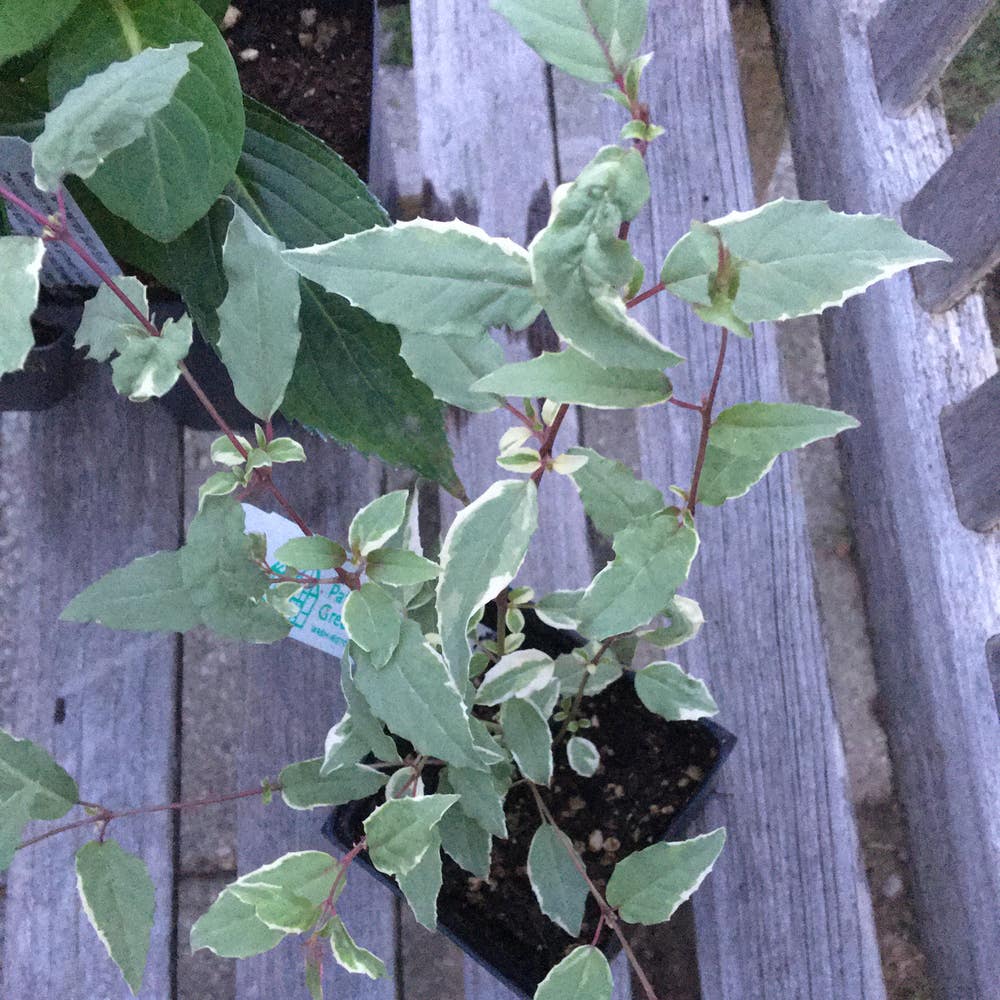
How Often Do I Need to Water My Fuchsia triphylla?
Fuchsia triphylla
By the Greg Editorial Team
Jun 18, 2024•4 min read
This article was created with the help of AI so we can cover more plants for you. May contain errors. See one? Report it here.
Nurture your Fuchsia triphylla to perfection with our savvy watering guide! 🌺💧
- Finger test for moisture: Check before watering your Fuchsia triphylla.
- Seasonal watering adjustments: Keep your plant's needs in sync with the weather.
- Proper potting prevents problems: Use well-draining soil and pots with drainage holes.
When to Water Your Fuchsia triphylla
💧 Feeling the Soil
To gauge soil moisture, adopt the finger test. Plunge your finger into the soil up to the second knuckle; if dry, it's time to water. For a tech twist, moisture meters offer a digital read but trust your touch for the final say.
🌿 Reading the Leaves and Stems
Visual cues are your plant's SOS. Droopy leaves or lackluster stems? Your Fuchsia triphylla could be parched. Conversely, yellowing leaves might scream overwatering. Stay observant; your plant's health is in the subtleties.
🍂 Seasonal Shifts
As seasons change, so should your watering routine. Embrace less frequent watering in fall to prep for winter dormancy. In the growing season, keep the soil consistently moist. Remember, your Fuchsia triphylla isn't just surviving the seasons, it's living through them.

How to Water Your Fuchsia triphylla
💧 The Right Way to Water
Watering your Fuchsia triphylla is less about routine and more about precision. Aim for the base of the plant, where the roots can drink up without wetting the foliage. This isn't just a neat trick; it's a strategic move to prevent leaf diseases. Use room temperature water to avoid shocking the plant's roots. Think of it as serving a fine wine that's been allowed to breathe – it's just better that way.
🚱 Avoiding Common Mistakes
Overzealous watering is a no-go. Your Fuchsia triphylla isn't a fan of soggy feet. Ensure your pot has drainage holes and the soil is well-draining to avoid waterlogging. Remember, a thirsty plant can rebound, but a drowned one is a goner. Keep an eye on the soil moisture and resist the urge to water on a schedule. Instead, water when the top inch of soil feels dry to the touch. It's a simple touch test, but it's your best defense against overwatering.

Recognizing Trouble: Overwatering vs. Underwatering
🚱 Signs of Too Much Love
Yellowing leaves often wave the first red flag for overwatering. If the base of your Fuchsia triphylla feels as soft as overripe fruit, root rot might be setting in. When the soil clings to your fingers with a desperate grip, it's a clear sign you've been too generous with the watering can.
To address this, reduce watering immediately and let the soil dry out. Consider changing to a well-draining soil mix if the problem persists, ensuring that future hydration doesn't turn into suffocation.
🏜️ Thirsty Plant Alerts
On the flip side, underwatering leaves your Fuchsia triphylla looking more wilted than a forgotten salad. Leaves may crisp up at the edges, signaling a desperate cry for moisture. If the soil is pulling away from the pot's edges, it's time to quench that thirst.
Combat underwatering with a thorough soak, ensuring water reaches the entire root system. If the soil absorbs water too quickly, it might be too dry or poor in quality. Switch to a moisture-retentive mix to help maintain an even level of dampness.

Fine-Tuning Watering Practices
💧 Container Considerations
Pot size and material are pivotal in determining how often you should water your Fuchsia triphylla. Small pots dry out faster, necessitating more frequent watering. Conversely, larger pots retain moisture longer, reducing the need for constant attention.
Terracotta pots, with their porous nature, allow soil to dry out more quickly than plastic or ceramic containers. This characteristic can be a double-edged sword; it's great for aeration but can lead to more frequent watering cycles.
💦 Soil and Drainage
Selecting the right soil mix is crucial for maintaining an optimal moisture balance. A well-draining potting mix is your best bet, as it prevents water from pooling around the roots, which can lead to root rot.
Incorporate materials like perlite or vermiculite to improve drainage and aeration. These amendments help create pockets within the soil, allowing water to flow through easily and roots to breathe.
Drainage holes are non-negotiable. Ensure your pot has adequate holes to let excess water escape. If you're smitten with a pot that lacks them, get creative—drill holes or use a layer of gravel at the bottom to facilitate drainage.
Remember, watering is not just about quantity but also about technique. Water thoroughly, allowing it to seep out of the drainage holes, ensuring the entire root ball is hydrated. Avoid letting your plant sit in water; elevate the pot if necessary to improve air circulation and prevent waterlogging.
Regularly check the soil moisture with your finger or a moisture meter to gauge when it's time to water again. Keep an eye on your plant's leaves for signs of distress, and adjust your watering habits accordingly.
⚠️ Safety First
This content is for general information and may contain errors, omissions, or outdated details. It is not medical, veterinary advice, or an endorsement of therapeutic claims.
Always consult a qualified healthcare professional before using any plant as food, medicine, or supplement.
Never eat any plant (or feed one to pets) without confirming its identity with at least two trusted sources.
If you suspect poisoning, call Poison Control (800) 222-1222, the Pet Poison Helpline (800) 213-6680, or your local emergency service immediately.
Spotted an error? Please report it here.
Ensure your Fuchsia triphylla stays vibrantly healthy 🌺 with Greg's custom watering reminders tailored just for your plant's unique thirst levels.