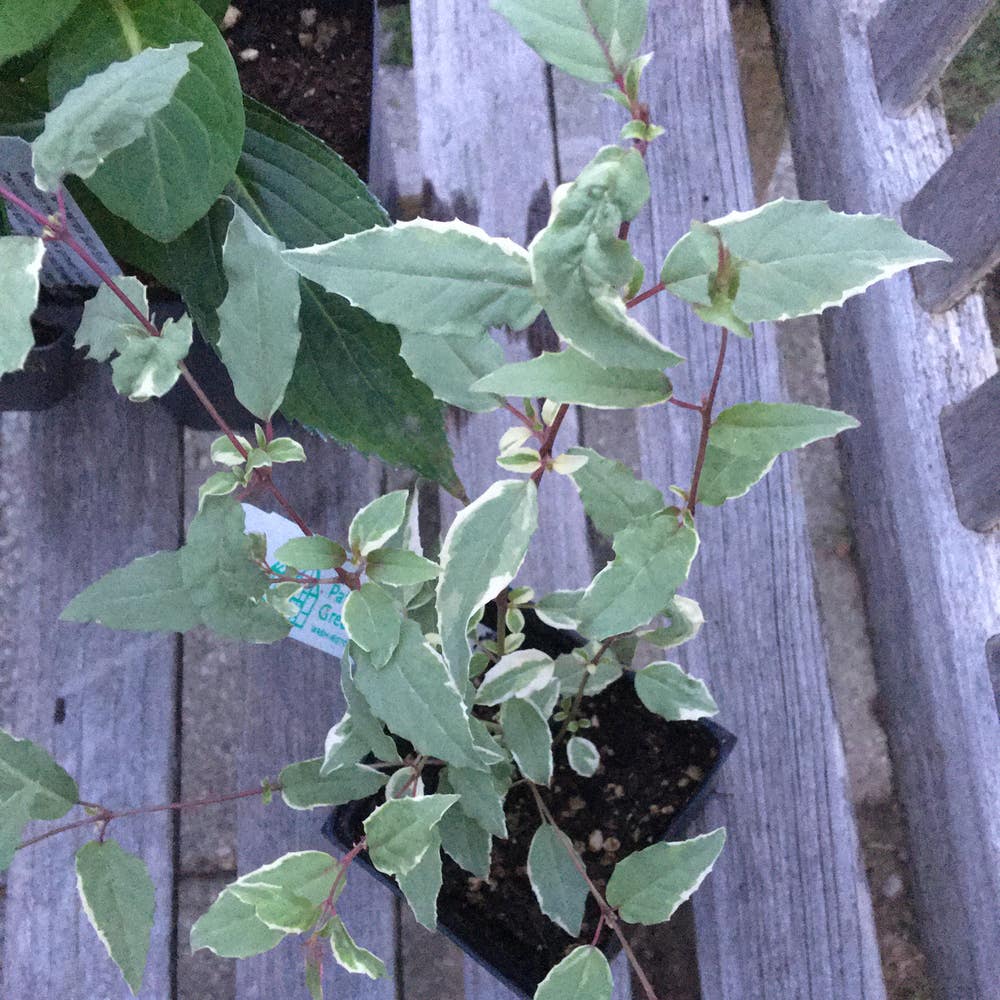
What Do Fuchsia triphylla Flowers Mean?
Fuchsia triphylla
By the Greg Editorial Team
Jun 18, 2024•4 min read
This article was created with the help of AI so we can cover more plants for you. May contain errors. See one? Report it here.
Unearth the elegance of Fuchsia triphylla blooms and their care for a garden of grace 🌺.
- Symbolizes abundance, grace, elegance, with colors conveying love or good judgment.
- Thrives in 65°F to 75°F, with indirect light and balanced moisture.
- Prune and deadhead to stimulate and prolong blooming.
Decoding the Blooms: What Fuchsia triphylla Flowers Tell Us
🌺 The Language of Flowers: Unveiling Fuchsia triphylla Symbolism
Fuchsia triphylla, with its elongated trumpet-like blooms, speaks a subtle language of grace and elegance. In the Victorian era, fuchsias were considered overflowing with abundance due to their profuse flowering and pendulous nature, often symbolizing overflowing abundance.
🎨 Color and Shape: Interpreting Fuchsia triphylla Messages
The vibrant hues of Fuchsia triphylla range from deep purples to bright reds. Red fuchsia blooms are traditionally associated with heartfelt confessions of love, while purple varieties convey a sense of refined taste and good judgment. The unique shape of the flowers, resembling dangling earrings, adds an air of sophistication and exotic allure to any garden space.

The Blooming Essentials: Creating the Perfect Environment for Fuchsia triphylla
💡 Light Up Their Life
Fuchsia triphylla craves indirect light like a social media influencer hungers for likes. Too much sun and they'll wilt faster than a vampire at a beach party. Aim for morning light and afternoon shade to hit the bloom jackpot.
🍽️ Feeding the Bloom
Think of soil and fertilizer as the gourmet diet for your Fuchsia triphylla. A rooting and blooming blend with higher phosphorus kicks flowering into high gear. Feed them like clockwork in spring and summer, but ease off in the winter—nobody likes an overeager feeder.
🚰 Watering Wisdom
Watering these beauties is less about sticking to a schedule and more about reading their leafy body language. Keep the soil consistently moist but never soggy. Overwatering is the fast track to root rot city, while underwatering turns your plant into a sad, thirsty stick.

Tending to Temperatures: Climate Control for Continuous Blooms
🌡️ Warmth and Coolness
Fuchsia triphylla thrives within a specific temperature range. Consistency is key; avoid placing plants near drafty areas or heat sources that could cause temperature fluctuations. Aim for a comfortable range between 65°F to 75°F (18°C to 24°C) during the day, with a slight drop at night to mimic natural conditions.
🍂 Adjusting with the Seasons
Seasonal changes demand a shift in your approach. In winter, protect your Fuchsia triphylla from the cold by situating it away from windows that could introduce drafts. During the summer, ensure it's not exposed to scorching heat by providing shade or moving it to a cooler area during peak sun hours.
💦 Humidity Hacks
Humidity levels can make or break Fuchsia triphylla blooms. Strive for 40-60% humidity; too low, and the flowers may desiccate, too high, and you risk fungal issues. Use a hygrometer to monitor the air moisture and adjust as needed.
🛠 Tools for Moisture Management
To manage humidity, consider grouping plants together to create a shared microclimate. For drier environments, a humidifier can introduce necessary moisture, while in more humid conditions, a dehumidifier or increased airflow can help maintain the balance.

Pruning and Grooming: Encouraging Fuchsia triphylla to Flower
✂️ The Art of the Snip
Pruning isn't just a haircut for your Fuchsia triphylla—it's a growth hack. Strategic snips can spur your plant into a blooming frenzy. Timing is crucial; prune in late winter or early spring before the buds set. Use sharp, clean shears to cut back the previous year's growth by about a third. This encourages new, vigorous branches that are more likely to produce flowers.
For a bushier plant with more blooms, target the tips. Pinching off the dominant buds stimulates the plant to branch out. A staggered approach, cutting some stems by a quarter and others by half, results in a fuller plant. Remember, a balanced plant won't sag under the weight of its own beauty.
💐 Deadheading and Beyond
Deadheading is not just about aesthetics; it's about encouragement. Removing spent blooms tells your Fuchsia triphylla to keep the show going. Snip off the faded flowers, taking care not to damage new buds. This practice should be done throughout the blooming season for a continuous display of color.
But don't stop at deadheading. Encourage new growth and more flowers by carefully removing any wilted or dead leaves. This not only prevents disease but also allows your plant to focus its energy on the good stuff—those vibrant blooms. Keep it tidy, keep it blooming, and your Fuchsia triphylla will thank you with a dazzling floral display.
⚠️ Safety First
This content is for general information and may contain errors, omissions, or outdated details. It is not medical, veterinary advice, or an endorsement of therapeutic claims.
Always consult a qualified healthcare professional before using any plant as food, medicine, or supplement.
Never eat any plant (or feed one to pets) without confirming its identity with at least two trusted sources.
If you suspect poisoning, call Poison Control (800) 222-1222, the Pet Poison Helpline (800) 213-6680, or your local emergency service immediately.
Spotted an error? Please report it here.
Nurture your Fuchsia triphylla's grace 🌺 with Greg's tailored care reminders, ensuring abundant blooms through perfect watering, lighting, and pruning guidance.