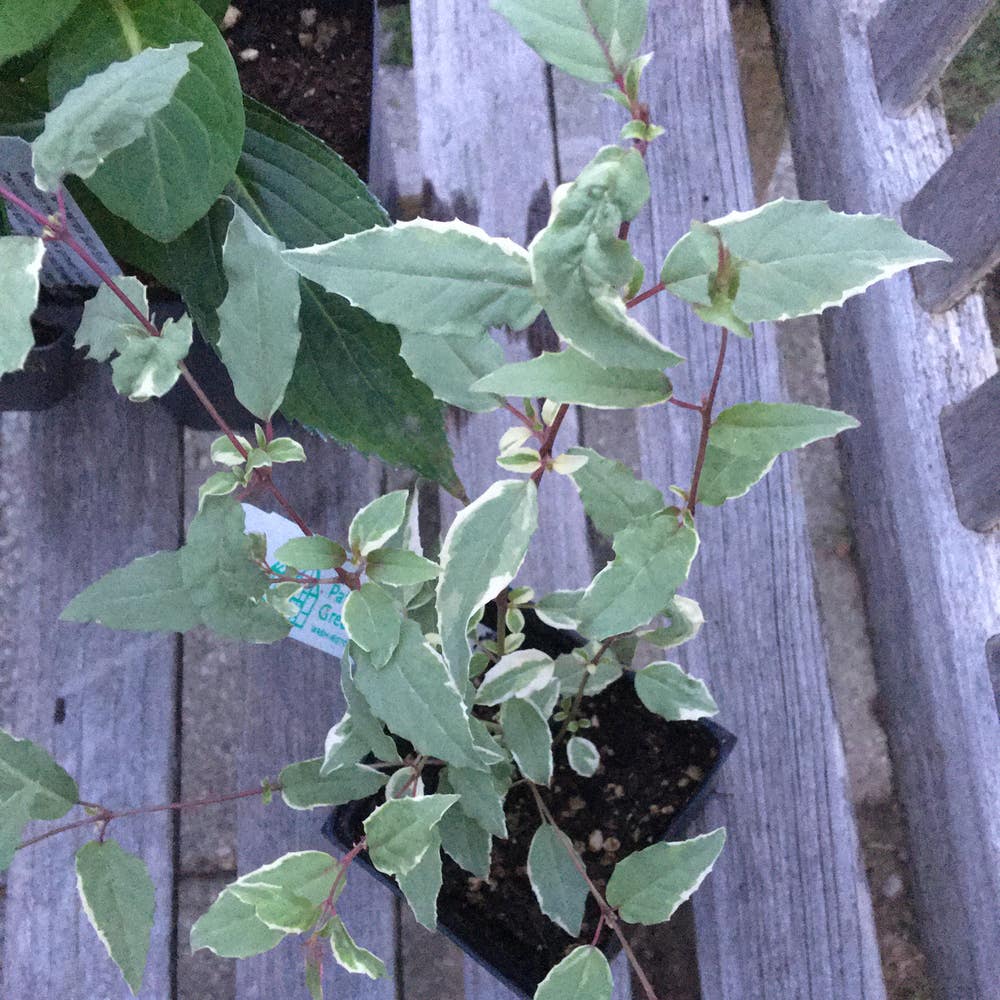
Why Are My Fuchsia triphylla Leaves Falling Over?
Fuchsia triphylla
By the Greg Editorial Team
Jun 18, 2024•4 min read
This article was created with the help of AI so we can cover more plants for you. May contain errors. See one? Report it here.
Prevent Fuchsia triphylla foliage flop and ensure leafy longevity with this essential care guide. 🌿✂️
- 💧 Overwatering and underwatering harm leaves; adjust watering to soil dryness.
- 🌱 Aerate compacted soil and fertilize to provide essential nutrients.
- ✂️ Prune and inspect regularly for pests and diseases to maintain health.
When Water Works Against You
💦 Overwatering Overkill
Soggy soil and a musty smell are telltale signs you've been a bit too generous with the watering can. It's a delicate dance to hydrate just right.
To strike a balance, let the top inch of soil dry out before giving your Fuchsia triphylla another drink. Think of it as a rhythm—consistent but adaptable to your plant's changing needs.
🌵 The Thirsty Plant Conundrum
Crispy leaves? Your Fuchsia triphylla might be thirstier than you thought. Underwatering can be a stealthy issue, but it's one that's fixable with attention.
Establish a watering schedule that responds to your plant's cues. When the topsoil feels like a dry martini, it's time to water. But remember, seasons change, and so does your plant's thirst—stay vigilant and adjust accordingly.

The Dirt on Soil and Nutrients
🌱 Compaction: When Soil Gets Too Cozy
Recognizing compaction is crucial for your Fuchsia triphylla's well-being. If the soil feels as unyielding as concrete, it's too compact.
Aeration is the fix. Use a fork to gently introduce air passages, helping roots and water to navigate the soil more freely.
🌿 Feeding Frenzy: Nutrient Needs and Deficiencies
Your plant's leaves are the tattletales of nutrient needs. Yellowing? Might be nitrogen. Weak stems? Potassium could be the culprit.
Soil testing guides you to the nutrient nirvana. It's like a cheat sheet for feeding your Fuchsia triphylla exactly what it craves.
Fertilizers are the multivitamins of the plant world. Choose a balanced mix that caters to the specific dietary needs of your green buddy.
Remember, over-fertilizing is the helicopter parent of plant care. It smothers more than it nurtures. Less is often more, so keep it subtle.

Battling Bugs and Fending Off Fungi
🐜 Pests: The Unwanted Guests
Inspect your Fuchsia triphylla regularly for the telltale signs of pests. You might notice sticky residue, webbing, or the pests themselves. Isolation is key for infested plants to prevent a full-blown insect invasion.
Evict these critters with insecticidal soap or neem oil, focusing on the undersides of leaves where they love to lurk. Remember, cleanliness is your plant's best friend—remove fallen leaves to cut off the bug buffet.
🍄 Disease: The Silent Leaf Killer
Diseases can be stealthy, often hiding in plain sight. Look for yellowing leaves, unsightly spots, or powdery coatings. Early detection is crucial for effective treatment.
For fungal foes, keep the foliage dry and water at the base. Prune affected areas and consider a targeted application of fungicide. Regular leaf inspections are your best defense against these silent assailants.

Pruning for Perfection
🌱 Strategic Snipping
Pruning is not just about aesthetics; it's critical for your Fuchsia triphylla's health. Overgrown branches can lead to leaves falling over due to excess weight. To prevent this, focus on removing dead or weak stems that no longer contribute to the plant's vigor. This strategic snipping redirects the plant's energy to the stronger, upright leaves.
🌿 Pruning Playbook: Techniques for Healthy Growth
Use sharp shears for clean cuts, and always cut above a leaf node to encourage new growth in the desired direction. Remember, pruning is like editing a manuscript—remove the fluff, keep the substance. And never remove more than 20% of the plant at once; it's a trim, not a buzz cut.
🌱 Regular Routines for Resilience
Consistency is key. Incorporate inspection and cleaning into your routine to catch issues early. Dust off leaves to ensure efficient photosynthesis and rotate the plant for even growth. Keep an eye out for pests and show them the door before they get too comfortable.
🌿 Inspection and Cleaning: Keeping Troubles at Bay
Regular maintenance isn't glamorous, but it's non-negotiable for plant health. Clean your tools before and after use to prevent disease spread—it's like washing your hands, but for plants. And when you spot a leaf that's past its prime, snip it off to prevent it from sapping energy from the rest of the plant.
⚠️ Safety First
This content is for general information and may contain errors, omissions, or outdated details. It is not medical, veterinary advice, or an endorsement of therapeutic claims.
Always consult a qualified healthcare professional before using any plant as food, medicine, or supplement.
Never eat any plant (or feed one to pets) without confirming its identity with at least two trusted sources.
If you suspect poisoning, call Poison Control (800) 222-1222, the Pet Poison Helpline (800) 213-6680, or your local emergency service immediately.
Spotted an error? Please report it here.
Keep your Fuchsia triphylla leaves from falling over 🍂 with Greg's personalized care reminders, helping you catch issues early for a thriving plant!