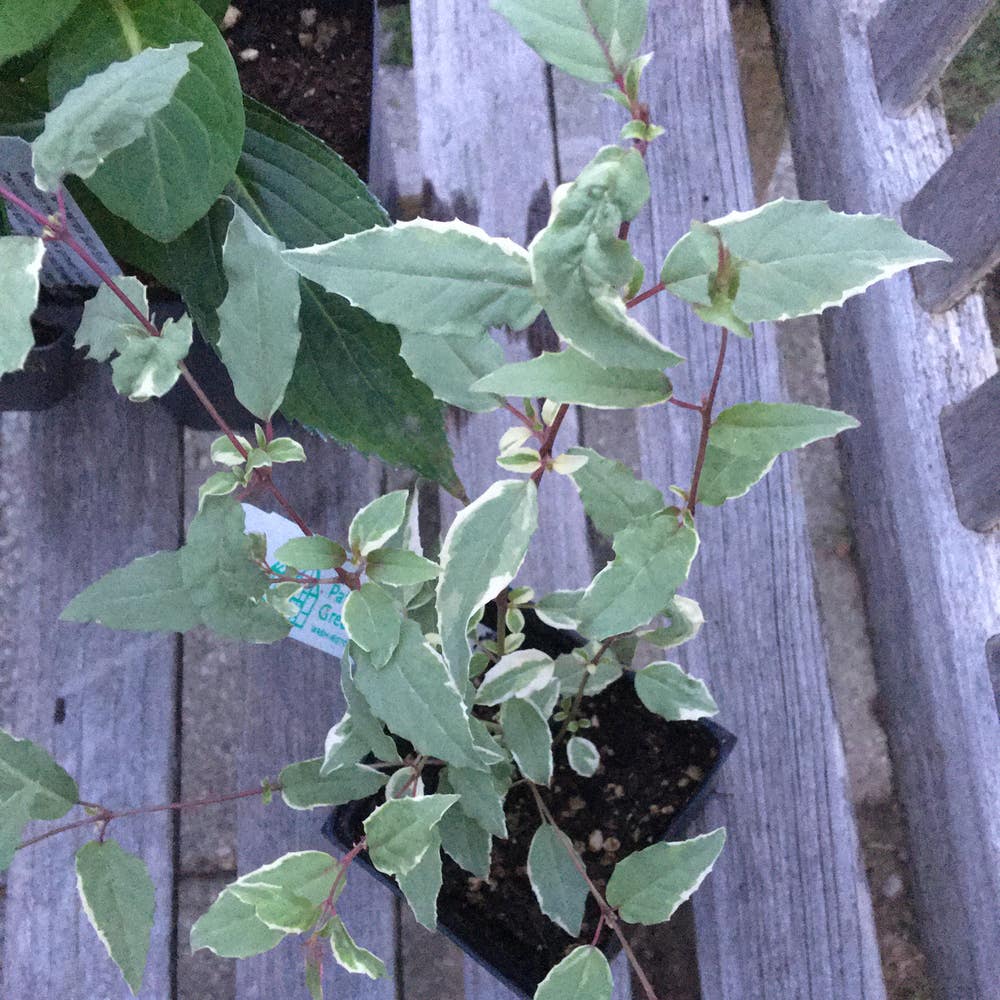
Should I Repot My Fuchsia triphylla?
Fuchsia triphylla
By the Greg Editorial Team
Jun 15, 2024•4 min read
This article was created with the help of AI so we can cover more plants for you. May contain errors. See one? Report it here.
Ensure your Fuchsia thrives 🌺 by mastering the timely art of repotting with this essential guide!
- Root crowding and quick soil drying signal it's repotting time.
- 🌱 Choose terracotta for breathability or plastic to retain moisture.
- Repot in spring; monitor post-repot for stress and adjust care.
Spotting the Telltale Signs for a New Home
🌱 Root Tango: Time to Repot?
Roots making a break for it through drainage holes or circling the surface like a track athlete? That's your plant's version of sending up a flare. A quick peek under the pot's lip can reveal a dense root network, signaling it's time for a spacious upgrade.
💧 Thirsty Roots and Sluggish Growth
When water zips through the soil like it's got a plane to catch, it's a hint that your plant's roots are hogging all the room. A soil that dries out faster than you can refill your watering can is crying out for help. And if your Fuchsia's growth has slowed to a glacial pace, consider it a nudge to repot.

Choosing the Best Pot for Your Fuchsia
💦 Material Matters: Breathability and Moisture
Terracotta pots are the breathable champions, wicking away extra moisture like a pro, which is crucial for the health of your Fuchsia triphylla's roots. On the flip side, plastic is the budget-friendly, lightweight contender that keeps soil moist for longer—watch out if you're heavy-handed with the watering can. Ceramic pots? They're the stylish middleweights, less porous than terracotta but still offering decent airflow. Just make sure whatever you choose has drainage holes; root rot waits for no plant.
📏 Size It Up: Finding the Perfect Fit
When it comes to size, think of Goldilocks—not too big, not too small, just right. Aim for a pot that's about 1-2 inches larger in diameter than the current one. This gives your Fuchsia room to grow without swimming in soil. Too much space can lead to waterlogging, and that's a soggy path you don't want to go down. Remember, a snug pot encourages blooming, so don't give your plant too much wiggle room, or it might just get lazy.

The Repotting Rendezvous: Step by Step
⏰ Timing is Everything
Spring is the season of choice for repotting your Fuchsia triphylla. Aim for a day when the plant shows signs of awakening from its winter rest, but before it hits full stride in growth. Early morning or late afternoon are the golden hours, providing a gentle sun that won't stress the freshly potted plant.
🌱 The Gentle Uproot
Prepare the new pot by washing it with soapy water, rinsing, and letting it dry to prevent any unwanted guests. Layer the bottom with fresh potting mix. Now, for the main event: coax your Fuchsia out of its old pot. If it's stubborn, tap the sides or roll the pot to loosen the roots' grip. Be firm, yet gentle—no rush jobs here.
🔍 Root Health Check and Trim
Once your plant is free, shake off the old soil and inspect the roots like a detective. Snip away any dead or overly long roots to promote healthy growth. If the roots are circling, it's time for a trim. Think of it as a root haircut—refreshing and necessary. Remember, you're not just repotting; you're setting the stage for a new act in your plant's life.
Aftercare: Helping Your Fuchsia Settle In
🌱 Easing the Transition
After the repotting hustle, your Fuchsia triphylla needs some downtime. Water it thoroughly right after the switch to a new pot to help it settle. Then, like a cactus after a downpour, let the topsoil dry before the next watering. Keep it in a spot with bright, but indirect sunlight—think of it as a recovery lounge for your plant.
🕵️ Monitoring and Maintenance Post-Repot
In the days following the repot, watch your Fuchsia like a hawk. Signs of a rough transition might include droopy leaves or a general vibe of plant discontent. If you notice these, it's time to adjust your care routine. This might mean tweaking the watering schedule or finding a spot with the perfect light balance. And remember, no fertilizing right away—give it at least a month to avoid overwhelming your plant. Keep an eye out for pests or diseases, and if they show up, be ready with an indoor-safe spray or fungicide. With consistent care and a bit of patience, your Fuchsia will be back to flaunting its vibrant colors.
⚠️ Safety First
This content is for general information and may contain errors, omissions, or outdated details. It is not medical, veterinary advice, or an endorsement of therapeutic claims.
Always consult a qualified healthcare professional before using any plant as food, medicine, or supplement.
Never eat any plant (or feed one to pets) without confirming its identity with at least two trusted sources.
If you suspect poisoning, call Poison Control (800) 222-1222, the Pet Poison Helpline (800) 213-6680, or your local emergency service immediately.
Spotted an error? Please report it here.
Ensure your Fuchsia triphylla thrives in its new pot by letting Greg remind you of the ideal repotting time 📅 and guide you through post-repotting care.