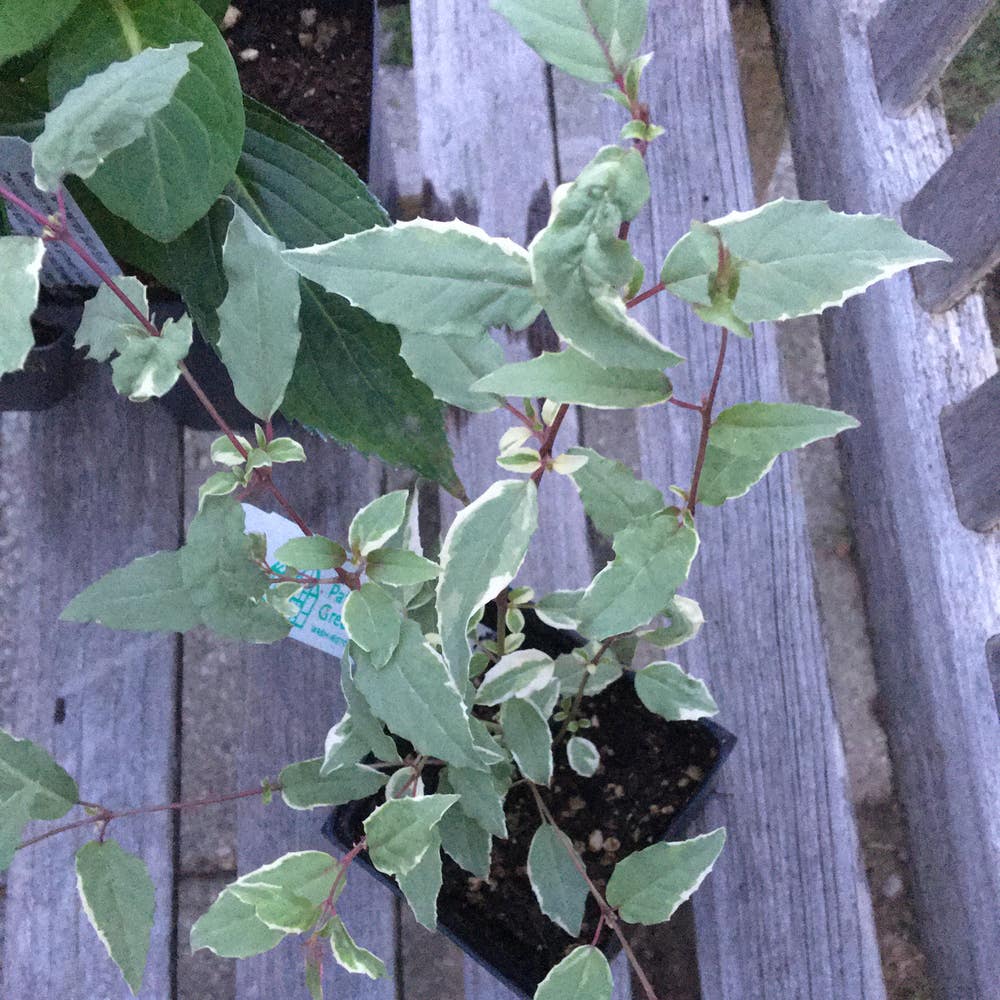
Are You Starving Your Fuchsia? Fertilizing 101
Fuchsia triphylla
By the Greg Editorial Team
Dec 14, 2023•17 min read
This article was created with the help of AI so we can cover more plants for you. May contain errors. See one? Report it here.
Boost your fuchsia's bloom 🌸 and vitality 💪 by mastering the art of proper fertilization!
- 🌿 Fuchsias need macronutrients and micronutrients for healthy growth and vibrant blooms.
- 🌞 Proper soil preparation and right fertilizer are crucial for fuchsia nutrition.
- ⚠️ Overfertilization can harm fuchsias - monitor plants and adjust nutrient regimen as needed.
Understanding Fuchsia Nutritional Needs
🌱 The Nutritional Nitty-Gritty
Let's get down to the roots of the matter. Fuchsias, like all plants, have a hankering for certain nutrients. These nutrients are the building blocks of their existence, the fuel to their floral fire.
Macronutrients are the big guns in the nutrient world. They're the ones that fuchsias need in large quantities. We're talking about nitrogen (N), phosphorus (P), and potassium (K).
Nitrogen is the life of the party, responsible for the lush, green growth of leaves and stems. It's like the protein shake for your fuchsia's workout routine, bulking up the vegetative growth.
Phosphorus is the matchmaker, playing a crucial role in root development, flower, and fruit formation. It's like the wingman at the bar, setting up the connections that make the magic happen.
Potassium, on the other hand, is the bodyguard. It aids in the production of strong stems and also boosts flower and fruit production. It's the bouncer at the club, ensuring everything runs smoothly and safely.
🌿 The Little Guys That Matter
Then there are the micronutrients. These are the nutrients that fuchsias need in smaller amounts, but they're just as important. We're talking about nutrients like iron, magnesium, and a few others.
Iron is the energy drink of the plant world. It's essential for photosynthesis, the process that allows plants to convert light into food.
Magnesium, meanwhile, is the key component of chlorophyll, the pigment that gives plants their green color. It's like the stylist for your fuchsia, making sure it's always dressed in its vibrant best.
🍽️ The Fuchsia Feeding Frenzy
Fuchsias are often described as gross feeders. This doesn't mean they have bad table manners. It simply means they have a hearty appetite for nutrients.
The frequent watering of potted fuchsias can quickly leech important nutrients from the potting mix. So, supplemental feeding can start fairly soon after they're potted up and growing on.
But remember, don't feed plants that have just rooted. You stand a chance of burning tender young roots. It's like serving a five-course meal to a baby. Too much, too soon.
🌞 Light: The Unseen Nutrient
And let's not forget about light. Fuchsias need at least morning sun and in most cases, they perform best in full sun. The notion that fuchsias are “shade plants” is actually erroneous. Not many fuchsias will tolerate deep shade.
So, there you have it. The nutritional needs of fuchsias, broken down into bite-sized pieces. Feed them well, and they'll reward you with a stunning display of blooms.
Signs of Nutrient Deficiencies
Alright, let's dive into the nitty-gritty of nutrient deficiencies in your fuchsia plants. It's like playing detective, but instead of solving a crime, you're saving your plant's life.
🚩 Common Symptoms
Yellow leaves or brown leaf edges? Your fuchsia might be screaming for help. Nutrient deficiencies often show up as leaf discoloration or distortion. Other signs include holes in leaves, burnt or scorched leaves, or a purple or red tone in leaves.
🥦 Macronutrient Deficiencies
Macronutrients are the big guns of plant nutrition. They're needed in larger quantities, and when they're missing, your fuchsia will let you know.
🌱 Nitrogen Deficiency
If your fuchsia's lower leaves are turning yellow and the plant's growth seems weak, it might be a case of nitrogen deficiency. The plant stem may even sport purple stripes, like it's trying out a new fashion statement. But trust me, it's not a happy one.
🍟 Phosphorus Deficiency
Dark green leaves with a purple, bronze, or red tinge could be a sign of phosphorus deficiency. If your fuchsia's growth is stunted and you spot brown spots on the leaves, it might be time to up the phosphorus.
🍿 Potassium Deficiency
Potassium deficiency often shows up as chlorosis between leaf veins or burnt-looking leaf edges. If your fuchsia's leaves are looking more like autumn foliage than a vibrant summer bloom, you might have a potassium problem.
🌾 Micronutrient Deficiencies
Micronutrients are the unsung heroes of plant nutrition. They're needed in smaller amounts, but their absence can still cause a ruckus.
🧲 Iron Deficiency
Iron deficiency can cause interveinal chlorosis or a mottled or bronzed appearance. If your fuchsia's leaves are looking more like a patchwork quilt than a lush green canopy, it might be time to check your iron levels.
🌪️ Manganese Deficiency
Manganese deficiency can cause interveinal chlorosis in younger leaves or dark or necrotic spots. If your fuchsia's new leaves look like they've been hit with a bad case of acne, it's time to up the manganese.
🧪 Zinc Deficiency
Zinc deficiency can lead to rosette formation or a mottled appearance. If your fuchsia's leaves are curling up like they're trying to form a rose, you might have a zinc issue.
Remember, nutrient deficiencies aren't just about a lack of nutrients. They can also be caused by unfavorable growing conditions, such as incorrect pH, dryness, or waterlogging. So, keep an eye on your plant's environment as well.
And one last thing, before you go all in with the fertilizers, make sure you're not dealing with pests, diseases, or other issues. Because, let's face it, dumping a ton of nutrients on a plant that's being eaten alive by bugs isn't going to solve the problem.
So, there you have it. Keep your eyes peeled for these signs, and your fuchsia will thank you.
Importance of Soil Preparation
Let's get down and dirty with soil preparation. It's not just about shoveling dirt around, folks. Soil preparation is the unsung hero of the gardening world, the secret sauce that can make or break your fuchsia's performance.
🌱 The Role of Soil Preparation
Soil is more than just a place to stick your plants. It's a bustling metropolis of nutrients, water, and oxygen. Soil fertility is the VIP pass that gives your fuchsia access to this nutrient-rich party.
But it's not just about the nutrients. The soil structure is equally crucial. Think of it as the city layout. A well-structured soil, like a well-planned city, ensures smooth traffic flow, allowing water and nutrients to reach the roots efficiently.
🏗️ Improving Soil Quality and Structure
So, how do you turn your soil into a five-star hotel for your fuchsia?
First, you need to understand your soil type. Is it clay, loam, or sand? Each type has its quirks. Clay soils are like overprotective parents, holding onto water and nutrients a bit too tightly. Sandy soils are the opposite, letting everything slip through their fingers. Loamy soils strike a balance, offering good drainage while retaining essential nutrients.
If you're dealing with clay or sandy soil, don't despair. Adding organic soil amendments like compost, manure, or peat moss can improve the soil structure. It's like upgrading from a cramped studio apartment to a spacious loft.
🌡️ Soil pH and Fertility
Remember, fuchsia plants are a bit like Goldilocks. They don't want their soil too acidic or too alkaline. They prefer it just right, slightly on the acidic side. Regular soil testing can help you maintain the right soil pH.
Fertilizer is the room service of the soil world. It delivers essential nutrients right to your plant's doorstep. But just like you wouldn't order every item on the menu, don't overdo the fertilizer. Excessive nitrogen, for instance, can lead to delayed flowering and fruit set.
In the end, soil preparation is about creating a nurturing environment where your fuchsia can thrive. It's about making sure your plant has a comfy bed, a well-stocked mini-bar, and a room with a view. So, roll up your sleeves and start prepping. Your fuchsia will thank you for it.
Choosing the Right Fertilizer
Fuchsia plants are like the divas of the garden world. They're vibrant, eye-catching, and, let's be honest, a bit high-maintenance. But hey, every diva deserves the best, right? So, let's talk about how to keep your fuchsia plants happy and healthy with the right fertilizer.
🌱 Organic vs Synthetic Fertilizers
The first fork in the road of fertilization is choosing between organic and synthetic fertilizers. It's like deciding between a home-cooked meal and fast food. Both will fill you up, but one's definitely healthier in the long run.
Organic fertilizers, like compost or bone meal, are the slow-cooked pot roast of the plant world. They're packed with nutrients and release them slowly, keeping your fuchsia well-fed over time. Plus, they're eco-friendly, which is always a win.
On the other hand, synthetic fertilizers are like a quick burger and fries. They deliver a fast, potent dose of nutrients. But be careful, too much too fast can lead to overfertilization, which is as bad for plants as a fast food diet is for us.
🧪 Understanding the NPK Ratio
Next up, let's talk about the NPK ratio. No, it's not a secret code. It stands for Nitrogen (N), Phosphorus (P), and Potassium (K), the three essential nutrients for plant growth.
Fuchsias, being the divas they are, prefer a higher Phosphorus and Potassium content. This encourages flower formation and strong roots, the equivalent of a plant's stage presence and vocal range. So, look for fertilizers marketed for flowering plants, or even tomatoes. They've got the right NPK ratio to keep your fuchsia in the spotlight.
🌿 Fertilizer Formulations
Finally, let's talk about fertilizer formulations. Fuchsias aren't picky about the form their nutrients come in, but they do have preferences.
For container-grown fuchsias, diluted liquid feeds are the way to go. They're easy to mix with regular watering and give your plants an almost instant nutrient boost. Think of it as a quick vocal warm-up before a big performance.
For garden-grown fuchsias, slow-release granular feeds are your best bet. They provide a steady supply of nutrients, like a well-rehearsed song that keeps the audience captivated from start to finish.
So, there you have it. Choosing the right fertilizer for your fuchsia is all about understanding their needs and preferences. After all, every diva deserves the best.
Fertilizing Techniques
🧤 Suit Up and Read Up
Before you even think about fertilizing your fuchsia, get your gear on. That means protective gloves and a face mask, especially when dealing with chemical fertilizers. Safety first, folks. And don't forget to read the label on your fertilizer. It's not just there for decoration. It's got all the juicy details on how to use and store your fertilizer.
🌱 The Right Stuff
Now, let's talk about what you're feeding your fuchsia. You want a fertilizer that's got the right NPK ratio. That's Nitrogen, Phosphorus, and Potassium for those of you not fluent in plant-speak. Fertilizers for roses or tomatoes are usually a good bet. They've got the right balance to support both flowers and roots.
💦 Liquid vs Granular
For those of you growing fuchsia in containers, a diluted liquid feed is your best bet. It's easy to mix in with your regular watering sessions and gives your plant a quick nutrient boost. If your fuchsia is living it up in the garden, opt for a granular feed. It's a slow-release option that keeps your plant happy throughout the growing season.
⏰ Timing is Everything
When it comes to fertilizing, timing is crucial. Your fuchsia needs regular feedings throughout the growing season. If it's in a container, feed it every two weeks to offset the nutrients lost through watering. If it's in the garden, a monthly dose of fertilizer should do the trick. But come late August or after the summer heat, it's time to put the fertilizer away. Your fuchsia needs to harden off before the colder months.
💦 The Application
Now, how to actually apply the fertilizer. If you're using a liquid feed, mix it in with your watering session. For granular feed, sprinkle it around the base of your plant as new foliage emerges. And remember, don't overdo it. Fuchsia can be a bit sensitive and doesn't appreciate being force-fed nutrients.
🌿 The Extra Mile
Want to go the extra mile for your fuchsia? Consider regular mulching with organic compost and shredded leaves. It's like a slow-release multivitamin for your plant, enriching the soil and providing a steady supply of nutrients.
So there you have it, folks. The ins and outs of fertilizing your fuchsia. Remember, it's not just about feeding your plant. It's about feeding it the right stuff, at the right time, in the right way. Happy fertilizing!
Frequency and Timing of Fertilization
🌱 The Regularity Rundown
Fuchsias, like any plant, have a Goldilocks zone for fertilization. Not too much, not too little, but just right. And that 'right' changes with the seasons and the plant's growth stage.
Container-grown fuchsias need a little more TLC. They should be fed every two weeks to counteract the nutrient leaching that happens with watering.
🌞 Seasonal Adjustments
Summer is the prime time for fuchsias, and they'll be hungry. Consistent feedings will help them bloom from early summer to late fall. But when the hottest part of the summer has passed, usually around late August, you can ease off the gas.
Winter is a different story. If your fuchsias are overwintering in a frost-free place, they need to harden off by the end of the summer. That means no more fertilizing until spring rolls around again.
🌱 Fertilizing Seedlings
If you're starting from scratch with fuchsia seedlings, you'll want to start fertilizing a few days after they emerge. Use a water-soluble fertilizer at half the recommended strength and keep it up regularly.
🌱 Fertilizing Mature Plants
For the mature fuchsias, you can use a diluted liquid feed for those in containers and a granular feed for garden-grown ones.
🌞 The Light Factor
Light plays a role in fertilization frequency too. If your fuchsia is basking in high light, you might want to fertilize 4-6 times a year.
🌱 The Bottom Line
There's no one-size-fits-all fertilization schedule for fuchsias. It's a delicate dance of adjusting to the plant's needs, the seasons, and the light conditions. But with a little practice and a lot of love, you'll have your fuchsias flourishing in no time.
Potential Risks of Overfertilization
Alright, let's dive into the deep end of the pool. Overfertilization. It's like ordering a triple cheeseburger when a single patty would do. Too much of a good thing can be, well, not so good.
🌋 The Dark Side of Fertilizers
Fertilizers are like vitamins for your fuchsia. They're essential, but overdoing it can cause harm. Picture this: you're at a buffet, and you pile your plate high. It's tempting, but your stomach protests. The same thing happens to your fuchsia when you overfertilize.
🔥 The Burn
Excessive fertilization can lead to a nasty case of "fertilizer burn". It's not a sunburn, but it's just as unpleasant for your fuchsia. High salt content in fertilizers can yank moisture away from the roots, leaving your fuchsia parched and gasping for water.
🚩 The Telltale Signs
Overfertilization can be sneaky. One sign is a lack of blossoms. It's like your plant is on strike, refusing to produce those beautiful flowers you love. But don't jump to conclusions. This could also be due to overwatering or insufficient light. Keep an eye out for other signs like brown leaf tips and slow growth.
🚁 The Rescue Mission
If you've overdone it, don't panic. Your fuchsia isn't doomed. It just needs some TLC. Hold off on fertilizing for a month, and flush the soil with water to wash away excess nutrients. It's like a detox for your plant.
⚖️ The Balanced Approach
Remember, fertilizing your fuchsia is a balancing act. It's not about bombarding your plant with nutrients, but providing a steady, balanced supply. Avoid overfertilization by sticking to the recommended frequency and amount. And always use a high-quality, balanced fertilizer.
So, there you have it. Overfertilization is a potential pitfall, but with a bit of care and attention, you can keep your fuchsia happy and healthy. Now, let's move on to the benefits of getting it right.
Benefits of Proper Fertilization
Alright, let's get down to the nitty-gritty. Fertilizing your fuchsia isn't just about keeping it alive; it's about helping it thrive.
🌸 More Blooms, More Beauty
Fertilizing your fuchsia is like giving it a superpower. It's like spinach to Popeye. The right nutrients can boost the blooming of your fuchsia from early summer to late fall. That's a lot of flowers, folks!
🌿 Healthier Foliage
But it's not just about the flowers. Proper fertilization promotes strong, green foliage. It's like sending your fuchsia to the gym, but without the sweat and grunting.
💪 Overall Plant Vigor
And let's not forget about overall plant vigor. Fertilizing your fuchsia is like giving it a full-body massage, a spa day, and a pep talk all in one. It supports root development, encourages strong cell growth, and helps your plant strut its stuff.
⚠️ A Word of Caution
But remember, folks, moderation is key. Overdoing it with the fertilizer is like overdoing it with hot sauce on your burrito. It might seem like a good idea at the time, but your plant (and your taste buds) will regret it.
🌍 The Environmentally Friendly Option
And for those of you worried about the environmental impact of fertilizers, fear not. There are plenty of organic options out there that are just as effective and won't harm Mother Earth.
💯 The Bottom Line
So, there you have it. Fertilizing your fuchsia isn't just about keeping it alive; it's about helping it thrive. It's about more blooms, healthier foliage, and overall plant vigor. It's about giving your plant the nutrients it needs to be the best it can be. And isn't that what we all want for our plants?
Troubleshooting Common Fertilization Issues
🚪 Nutrient Lockout: The Silent Killer
Ever seen a fuchsia plant that looks like it's on a hunger strike? Nutrient lockout could be the culprit. This sneaky issue occurs when the pH of your soil isn't playing nice, preventing your plant from absorbing nutrients. It's like having a fridge full of food but the door is jammed shut. Frustrating, isnjson't it?
🎭 pH Imbalances: The Unseen Enemy
pH imbalances are the unseen enemy in your garden. They can turn your soil into a hostile environment, where nutrients and minerals are as accessible as a cookie jar on the top shelf to a toddler. Keep an eye on your soil's pH levels, and adjust as necessary. Remember, balance is key, just like in a good diet or a challenging yoga pose.
🧂 Salt Buildup: The Unwanted Guest
Salt buildup is the unwanted guest at your fuchsia's dinner party. Over time, excessive fertilization can lead to a buildup of salts in the soil. These salts can draw out moisture and inhibit water uptake, leaving your plant as thirsty as a camel in the desert. If you see a white, dry dust on the top layer of your soil, it's time to evict this uninvited guest.
💦 The Solution: Rinse and Repeat
To fix these issues, give your soil a good rinse. This will help flush out excess salts and rebalance the pH. It's like giving your soil a detox, without the green juice.
🛡️ Prevention: The Best Cure
Prevention is always better than cure. Avoid overfertilizing and ensure your soil is well-drained. Remember, your fuchsia doesn't need a feast every day. A balanced diet of nutrients, delivered at the right time and in the right amounts, will keep it happy and healthy.
💣 Fertilizer Choice: The Secret Weapon
Choosing the right fertilizer is your secret weapon in the fight against fertilization issues. Look for a slow-release form that contains nitrogen, and don't forget about magnesium and other micronutrients. It's like choosing a balanced meal for your plant, with all the essential food groups.
👀 The Final Word: Keep an Eye Out
Keep an eye out for signs of nutrient deficiencies or toxicities. Regularly monitoring your plants and adjusting your nutrient regimen as needed can help prevent these issues. It's like being a plant doctor, diagnosing and treating ailments before they become serious. Remember, a healthy fuchsia is a happy fuchsia!
⚠️ Safety First
This content is for general information and may contain errors, omissions, or outdated details. It is not medical, veterinary advice, or an endorsement of therapeutic claims.
Always consult a qualified healthcare professional before using any plant as food, medicine, or supplement.
Never eat any plant (or feed one to pets) without confirming its identity with at least two trusted sources.
If you suspect poisoning, call Poison Control (800) 222-1222, the Pet Poison Helpline (800) 213-6680, or your local emergency service immediately.
Spotted an error? Please report it here.
Nourish your fuchsia to full bloom 🌺 - let Greg guide you with a personalized fertilization plan and timely reminders to check for nutrient deficiencies, ensuring your plant's vibrant health and growth.