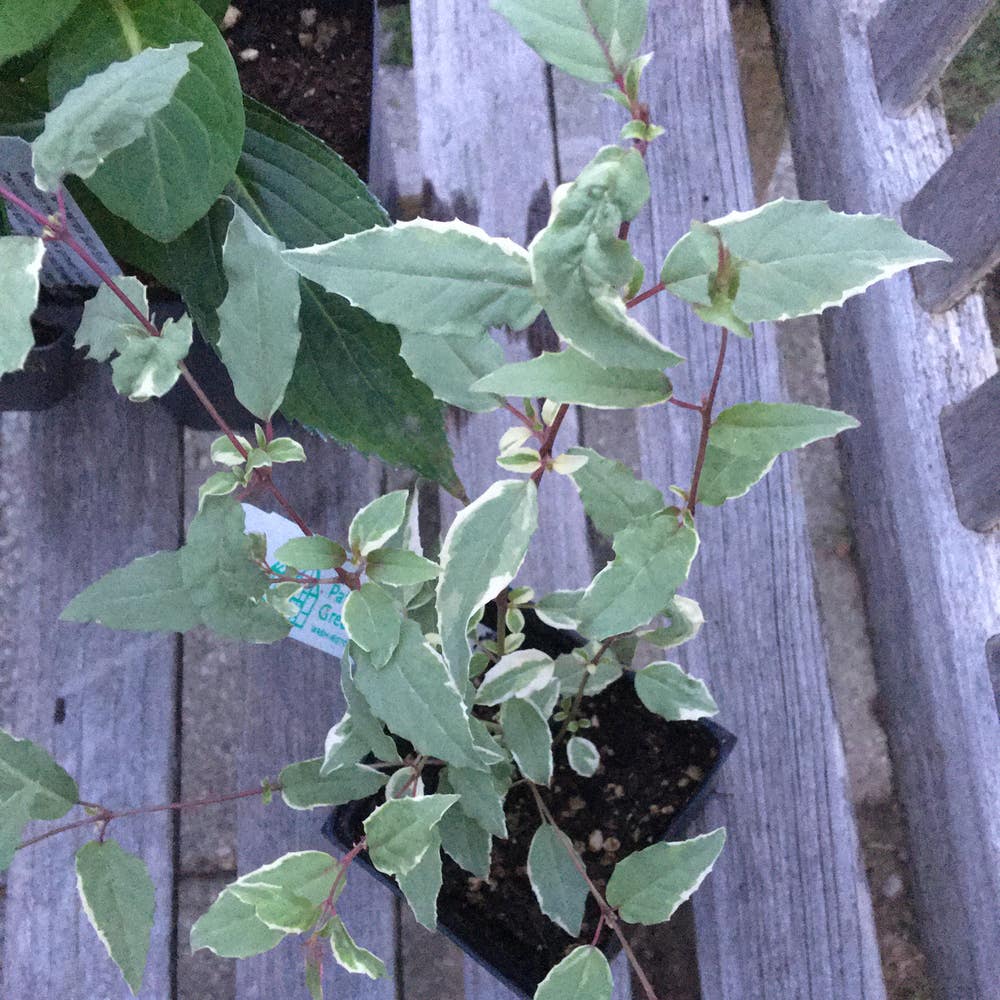
Common Fuchsia triphylla Problems
Fuchsia triphylla
By the Greg Editorial Team
Jun 18, 2024•3 min read
This article was created with the help of AI so we can cover more plants for you. May contain errors. See one? Report it here.
Keep your Fuchsia triphylla thriving 🌺 by dodging these typical care mistakes with our vital tips!
- 🌧️ Over-watering? Let soil dry, repot with well-draining soil.
- 🌡️ Keep temperatures moderate—below 80°F day, above 60°F night.
- 🐛 Pests and fungus? Check leaves, improve air circulation, use treatments.
When Water Works Against You
🌊 Over-watering Woes
Yellowing leaves and a wilted spirit are tell-tale signs your Fuchsia triphylla is drowning in excess love. If the soil feels like a swamp and the stems have all the firmness of overcooked spaghetti, it's time to dial back on the H2O.
To rescue an over-watered plant, let the soil dry out. Check for drainage issues and consider repotting with fresh, well-draining soil to give your plant a new lease on life.
The Thirsty Fuchsia
Crispy leaves and stunted growth scream dehydration. If the soil is pulling away from the pot like a bad breakup, it's a clear sign your Fuchsia triphylla is thirsty.
Best practices for watering include checking the topsoil – if it's dry, it's time to water. But remember, moderation is key; think of watering like a well-timed joke, it needs the right amount at the right moment.

Light and Temperature: Finding the Sweet Spot
⛅️ Too Much Sun, Too Little Shade
Identifying leaf scorching is straightforward: look for brown edges and discolored leaves. It's the plant's version of a sunburn. To protect your Fuchsia triphylla, adjust light exposure. Move it to a spot with bright, indirect sunlight, or use sheer curtains to diffuse intense rays.
🌡️ Chilly Woes and Heat Strokes
Stunted growth and lackluster flowering signal temperature stress. Fuchsia triphylla prefers it not too hot, not too cold. The ideal temperature range is daytime highs just below 80°F (27°C) and nighttime lows just over 60°F (16°C). Keep it away from drafts and extreme temperature shifts to maintain a happy plant.

Uninvited Guests: Tackling Pests and Diseases
🐛 Pests: The Tiny Terrors
Aphids, spider mites, and whiteflies are not the guests you want in your Fuchsia triphylla's life. Webbing under leaves or a sticky "honeydew" residue? You've got company.
🔍 Spotting the Culprits
Check the undersides of leaves and stem joints for these pests. They're tiny but mighty, and they can wreak havoc on your plant's health.
🚪 Eviction Notice
Yellow sticky traps catch flying insects, while diatomaceous earth handles the crawlers. For stubborn infestations, insecticidal soap or a miticide might be necessary. Don't forget, predators like ladybugs are nature's pest control.
🍄 Mold and Fungus Among Us
Fuzzy growths and a musty smell signal a fungal invasion. Too much moisture is usually the culprit, so let's dial back on the watering.
🛠️ Fungal Fix
Improve air circulation and consider a fungicidal spray if things look grim. But remember, prevention beats cure, so keep an eye out for early signs of trouble.
🛡️ Preventative Measures
Regular plant check-ups and cleanliness are your best defense against these uninvited guests. Keep your Fuchsia triphylla happy and healthy, and you'll keep the party crashers at bay.

Root Rot: The Silent Killer
🕵️ Detecting the Undetectable
Root rot in Fuchsia triphylla is a deceptive foe. Foul odors and mushy roots are the distress signals of this condition.
🚨 Early Signs of Root Rot
- Musty smell: A telltale sign emanating from the soil.
- Mushy roots: Overcooked pasta texture indicates severe damage.
🌱 Root Revival: Steps to Rescue Your Fuchsia triphylla from Root Rot
🕵️ Isolation and Inspection
- Isolate the plant to prevent disease spread.
- Unpot gently and inspect the roots for dark, mushy areas.
✂️ Pruning and Repotting
🌿 Post-Rescue Care
- Water wisely: Only when the top inch of soil is dry.
- Fungicide: Consider a copper-based fungicide for added protection.
⚠️ Safety First
This content is for general information and may contain errors, omissions, or outdated details. It is not medical, veterinary advice, or an endorsement of therapeutic claims.
Always consult a qualified healthcare professional before using any plant as food, medicine, or supplement.
Never eat any plant (or feed one to pets) without confirming its identity with at least two trusted sources.
If you suspect poisoning, call Poison Control (800) 222-1222, the Pet Poison Helpline (800) 213-6680, or your local emergency service immediately.
Spotted an error? Please report it here.
Navigate Fuchsia triphylla care with ease and dodge over-watering 💧 or pests by using Greg's tailored reminders for a flourishing plant.