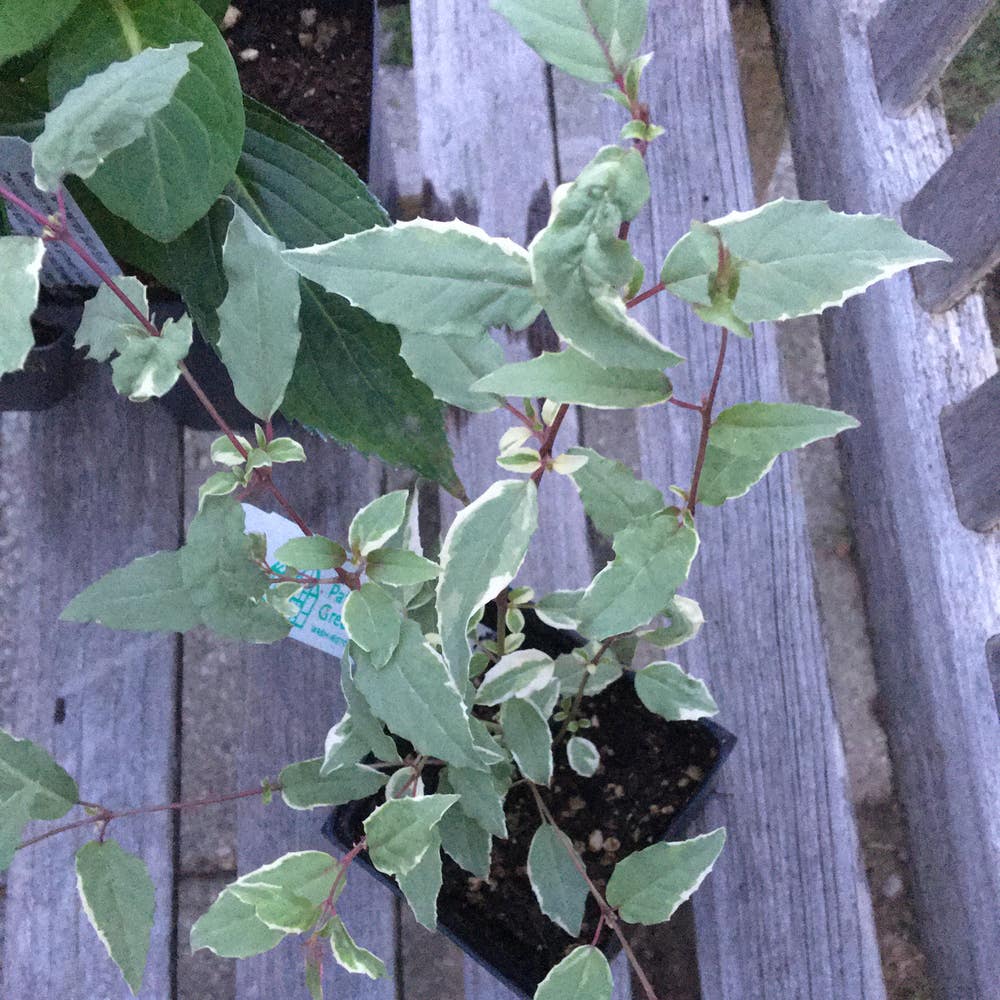
Black Spots on My Fuchsia triphylla Leaves
Fuchsia triphylla
By the Greg Editorial Team
Jun 15, 2024•4 min read
This article was created with the help of AI so we can cover more plants for you. May contain errors. See one? Report it here.
Banish black spots on Fuchsia triphylla 🌺 with this essential prevention and cure guide!
- Black spots hinder plant health, indicating fungi or bacterial issues.
- Prevent with dry leaves, good air, and well-draining soil.
- Treat with fungicides or home remedies like baking soda and water.
Spotting the Culprit: Recognizing Black Spots
🕵️ Visual Inspection
Black spots on your Fuchsia triphylla are the plant equivalent of red flags. These spots are typically dark, starting as tiny specks less than ⅛ inch in diameter. Left unchecked, they can expand into larger blotches, compromising the beauty and health of your plant.
🌍 Location Matters
Undersides of leaves are prime real estate for black spots to begin their invasion. Regularly flipping and inspecting leaves can reveal these hidden blemishes before they become a larger issue.
📸 Photo Documentation
Capturing images of the affected leaves can be invaluable. Photos allow for a detailed examination of the spots' progression and can be useful for seeking advice from fellow gardeners or experts.
🎨 Spot Characteristics
Texture and color offer clues about the spots. They might be smooth or raised, and while typically black, can also have brownish tones. Some spots may even exhibit concentric rings or dark margins, indicative of a fungal or bacterial cause.
🌿 Health Implications
It's not just about aesthetics; black spots can hinder photosynthesis and overall plant vitality. They're a sign that your Fuchsia triphylla is under duress and requires prompt attention.

Unveiling the Villains: Causes of Black Spots
🍄 The Fungal Fiends
Fungi are the usual suspects when black spots crash the party on your Fuchsia triphylla. Cercospora and Anthracnose are the ringleaders, thriving in the moist hideouts of your garden. These pathogens are notorious for leaving circular lesions, often surrounded by a yellow halo, as their calling card. If you spot these, it's time to acknowledge a fungal invasion.
🦠 Bacterial Baddies
Bacterial infections are the stealth operatives in the plant world, sneaking in through the smallest of wounds. They leave behind water-soaked lesions that can look slimy, and if left unchecked, might emit a foul odor. It's a grim scene, reminiscent of a soggy paper towel, and a clear sign that bacteria are at play.
🌿 Environmental Enablers
Your garden's environment could be rolling out the red carpet for these pathogens. High humidity and poor air circulation are like a VIP lounge for fungi, while overwatering is akin to an open-bar invitation. These conditions create a microclimate that's a dream come true for black spot pathogens. Remember, unclean gardening tools can act as double agents, unwittingly spreading trouble from plant to plant.

Fortifying Your Fuchsia: Prevention Tactics
💧 Watering Wisdom
Consistency is key when it comes to watering your Fuchsia triphylla. Aim for soil that's moist, not soggy. Overwatering invites fungal growth, so feel the soil before giving your plant a drink. If it's damp, hold off. If it's dry, it's time to water. Remember, roots need to breathe, not swim.
✂️ Pruning Prowess
Pruning isn't just about aesthetics; it's about plant health. Snip away any dead or dying leaves to improve airflow and reduce disease hideouts. Fuchsias are tough; they can handle a good trim without flinching. This isn't a haircut; it's a strategic strike against potential pathogens.
🌱 Soil Savvy
The right soil mix is like a good insurance policy for your plant. Ensure it's well-draining, with a balance of organic matter and aeration. If your soil is more clay than crumbly, consider amending it with peat moss or compost. For potted plants, a peat-based potting mix with proper drainage does wonders. Remember, a top dressing of mulch can protect and enrich your soil further.
Battling the Blight: Treatment Techniques
🍄 Fungicide Firepower
When black spots mar your Fuchsia triphylla, fungicides are your first call to arms. Copper-based fungicides are akin to garden armor, halting the spread of fungal invaders. For a precise hit, consider products like chlorothalonil or mancozeb, which act as a protective barrier. Rotate your fungicidal agents—diversity is key to preventing resistance. Remember, the label on these products is your tactical manual; neglect it at your plant's peril.
🦠 Bactericide Backup
Bacterial blights demand a different strategy. Enter copper compounds and the Bordeaux mixture—your bacterial busters. These should be applied with the precision of a surgeon, focusing on prevention. If the infection has already taken root, it's critical to isolate the patient and remove the infected tissue with sterilized instruments. Post-surgery, disinfect your tools with a bleach solution to prevent spreading the contagion.
🌿 Home Remedies
For those preferring a gentler approach, home remedies can complement your plant's defense. A simple concoction of baking soda and water offers a mild, eco-friendly antifungal option. It's no panacea, but it's a valuable weapon in your arsenal. Combine this with impeccable cultural practices: promote good air circulation, avoid overwatering, and keep your gardening tools as clean as a whistle. These methods create an inhospitable environment for fungal foes.
⚠️ Safety First
This content is for general information and may contain errors, omissions, or outdated details. It is not medical, veterinary advice, or an endorsement of therapeutic claims.
Always consult a qualified healthcare professional before using any plant as food, medicine, or supplement.
Never eat any plant (or feed one to pets) without confirming its identity with at least two trusted sources.
If you suspect poisoning, call Poison Control (800) 222-1222, the Pet Poison Helpline (800) 213-6680, or your local emergency service immediately.
Spotted an error? Please report it here.
Ensure your Fuchsia triphylla remains spot-free 🍃 with Greg's humidity monitoring and custom watering reminders, keeping those pesky black spots at bay.