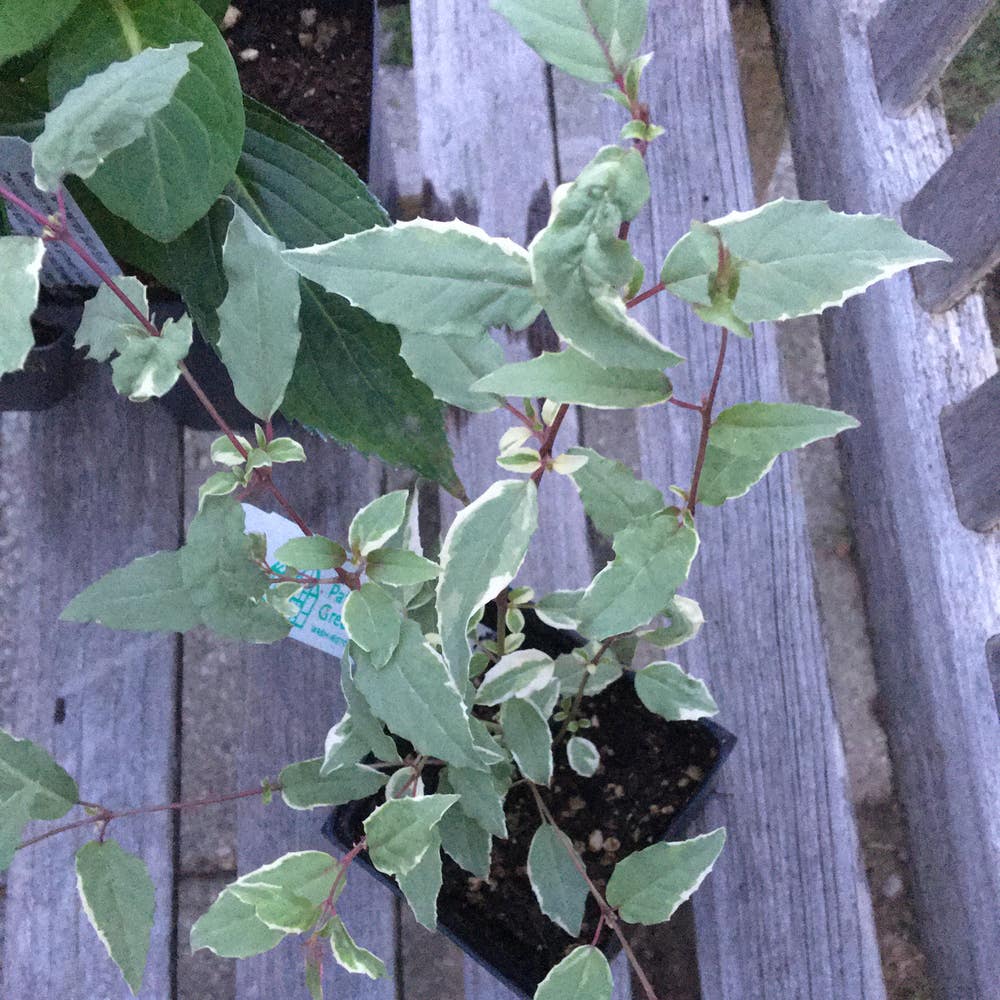
What Temperature Should My Fuchsia triphylla Be Kept At?
Fuchsia triphylla
By the Greg Editorial Team
Jun 15, 2024•3 min read
This article was created with the help of AI so we can cover more plants for you. May contain errors. See one? Report it here.
Discover the secret to lush Fuchsia triphylla blooms by mastering its ideal 60-75°F temperature range! 🌡️🌸
- 60-75°F day, 60°F+ night for Fuchsia triphylla's health and blooms.
- 🌡️ Avoid extremes: Above 75°F or below 60°F harms growth and flowers.
- Seasonal adjustments protect from drafts, direct sun, and temperature swings.
Keeping It Just Right: The Ideal Temperature Sweet Spot
🌡️ What Fuchsia triphylla Loves
Fuchsia triphylla flourishes in a temperature range that mimics its native habitat. The optimal daytime temperatures hover between 60-75°F (15-24°C), providing a comfortable environment for growth and health. Nighttime temperatures should ideally not drop much below 60°F (16°C), ensuring the plant has a consistent climate.
🌡️ When It Gets Too Hot or Too Cold
Venturing outside the ideal temperature range can trigger stress in your Fuchsia triphylla. Above 75°F (24°C), the plant risks heat stress, which can stunt growth and diminish the vibrancy of blooms. Conversely, temperatures below 60°F (15°C) can slow down growth and even cause damage to the plant's delicate structure.
🌡️ Quick Tips for Temperature Control
To maintain the ideal temperature, position your Fuchsia triphylla away from direct heat sources and drafty windows. Use curtains or blinds to shield the plant from intense sunlight, and consider a small fan or space heater to stabilize the temperature in its vicinity. Remember, consistency is key—avoid placing your plant in spots where temperature fluctuations are common.
Spotting the Signs: When Your Fuchsia triphylla Feels the Heat (or Chill)
🚨 Visual Distress Signals
Wilting and leaf discoloration are unmistakable SOS signals from your Fuchsia triphylla. These symptoms scream "I'm too hot" or "I'm too cold," depending on the context. In excessive heat, leaves may appear scorched, while cold stress can turn them dark and limp.
💔 Flower Power Fading
Flower production takes a nosedive when temperatures stray from the Fuchsia triphylla's comfort zone. Too much heat can halt budding in its tracks, while a chill might mean you'll miss out on the plant's vibrant displays entirely. Keep an eye out for a lack of new blooms or flowers that wither prematurely – they're telling you something's off.
Common Culprits: What Throws Off Your Plant's Temperature Balance
🌬️ Battling the Drafts and Sun Scorch
Drafts are the silent assassins of stable temperatures. Your Fuchsia triphylla could be living on the edge without you even knowing it. Keep it away from the treacherous paths of frequently opened windows and the deceptive warmth of radiators. Direct sunlight? That's a no-go zone. It's like putting your plant in the Sahara at noon.
🍂 Seasonal Shifts
When seasons change, it's not just your wardrobe that needs updating. Your Fuchsia triphylla demands a wardrobe change too. Winter's chill and summer's blaze are the extremes your plant could do without. Think of it as a temperature tango – one step forward, two steps back. Adjust your plant's position with the finesse of a dance partner, ensuring it's neither shivering in a corner nor frying on the front line.
Flowering and Temperature: A Delicate Dance
🌡️ Temperature's Role in Flowering Cycles
Temperature is the unsung hero in the flowering saga of Fuchsia triphylla. It subtly cues the plant's internal rhythms, dictating when to unfurl its vibrant blooms. A consistent temperature between 60-75°F (15-24°C) is the sweet spot, nudging the plant from vegetative growth to a floral parade. Deviations from this range can confuse the plant, like a dancer missing a beat, resulting in delayed or diminished flowering.
Achieving Blooming Brilliance
To coax Fuchsia triphylla into a blooming masterpiece, monitor temperatures closely. During the day, ensure warmth within the ideal range, while slightly cooler nights can mimic natural conditions and promote flowering. Avoid the extremes; a sudden chill or heatwave can cause the plant to hold back its blooms like a withheld encore. Seasonal adjustments are crucial; as the year wanes, reduce temperatures to align with the plant's natural cycle. Remember, it's not just about the heat—it's about the rhythm.
⚠️ Safety First
This content is for general information and may contain errors, omissions, or outdated details. It is not medical, veterinary advice, or an endorsement of therapeutic claims.
Always consult a qualified healthcare professional before using any plant as food, medicine, or supplement.
Never eat any plant (or feed one to pets) without confirming its identity with at least two trusted sources.
If you suspect poisoning, call Poison Control (800) 222-1222, the Pet Poison Helpline (800) 213-6680, or your local emergency service immediately.
Spotted an error? Please report it here.
Flourish your Fuchsia triphylla's blooms by keeping it cozy in its ideal 60-75°F zone 🌡 with Greg's seasonal positioning reminders.