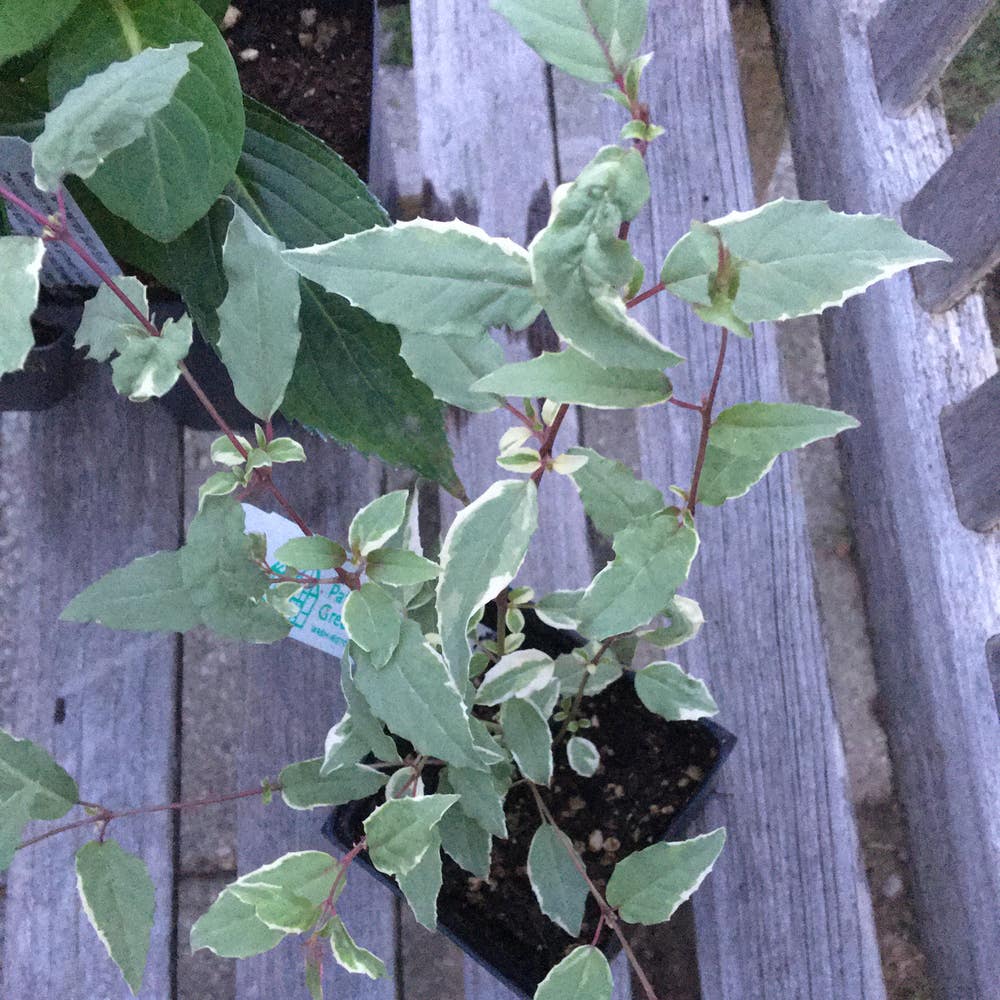
Soil Recommendations for Fuchsia triphylla
Fuchsia triphylla
By the Greg Editorial Team
Jun 18, 2024•5 min read
This article was created with the help of AI so we can cover more plants for you. May contain errors. See one? Report it here.
Nurture a vibrant Fuchsia triphylla 🌺 with the secrets to crafting its ideal soil haven.
- Mold and compaction signal soil issues; fix with better watering and airflow.
- Perfect mix: 2 parts potting soil, 1 part perlite, sand, and peat moss.
- Soil pH 6-7 is essential for nutrient uptake; adjust with sulfur or lime.
Spotting and Fixing Unhappy Fuchsia Soil
🚩 Recognizing Trouble Signs
Mold on your Fuchsia triphylla's soil isn't just a cosmetic issue; it's a distress signal. If you're seeing a fuzzy white or greenish presence, it's time to reassess your watering routine. Compaction and poor drainage are other red flags, often betrayed by water pooling on the surface or roots that seem choked and unable to breathe. Yellow leaves might whisper of waterlogged roots, while a musty smell or visible mold points to excessive moisture and poor air circulation.
Turning Things Around
To amend moldy or compacted soil, start by reducing watering and increasing airflow. Consider repotting with fresh, sterile soil if the problem persists. For compacted soil, gently aerate with a fork and mix in gritty amendments like perlite or coarse sand to improve drainage. Prevention is key: ensure your pot has adequate drainage holes and avoid overwatering. Regularly removing dead plant matter can also keep your soil smelling fresh and reduce the risk of mold.

Crafting the Perfect Soil Mix
🌱 The Base Ingredients
Drainage and moisture retention are the yin and yang for Fuchsia triphylla's soil mix. Start with a well-balanced potting soil; it's the bread and butter for your plant's growth. To avoid waterlogged roots, mix in perlite and coarse sand—these are your drainage champions. For that moisture-holding magic, sphagnum peat moss steps up to the plate, also keeping the pH in check.
Organic matter isn't just a buzzword; it's the soul of your soil. It's the slow-release nutrient powerhouse your Fuchsia craves. Balance it out with compost or leaf mold to give your plant a buffet of nutrients without overdoing it.
🍹 Getting the Mix Just Right
The perfect mix is like a great cocktail—proportions matter. Aim for 2 parts potting soil, 1 part perlite, 1 part coarse sand, and 1 part sphagnum peat moss. This blend ensures a loose, airy structure with enough moisture retention for your Fuchsia to thrive.
Sterilizing your DIY mix is like giving it a clean bill of health. Bake the soil at 200°F (93°C) for 30 minutes to zap any unwanted guests. Once cooled, you're ready to pot. Remember, the goal is to create a mix that feels like a crumbly cookie, not a sticky mud pie. Too dense? Add more perlite. Too dry? A bit more peat moss. It's a balancing act, but when you nail it, your Fuchsia will thank you with vibrant blooms.

The Lowdown on Soil pH and Nutrient Uptake
💧 Why pH Matters
Fuchsia triphylla thrives in a pH sweet spot of 6 to 7. This range is crucial for the plant to access essential nutrients effectively. If the pH strays from this zone, it's like a lock on the plant's food cabinet—nutrients are there, but uptake is blocked.
Soil pH that's too high or too low can lead to a buffet of problems: nutrient deficiencies, poor growth, and a sad-looking fuchsia. It's not just about the right nutrients; it's about making them available.
🌱 Adjusting Soil pH
To lower soil pH, sulfur is your secret weapon, while lime will nudge it higher. Remember, we're talking pinches, not handfuls—adjust gradually. Think of it as fine-tuning a guitar, not smashing it.
Regularly testing soil pH is like a health check-up for your plant. If the pH is off, don't panic—adjusting is straightforward. Use a pH meter or test kit to stay on top of things.
For those who skipped chemistry class, adjusting pH is less about alchemy and more about simple steps. A sprinkle of this, a dash of that, and your fuchsia is back in the game.

Picking the Best Commercial Soil Products
🕵️ What to Look For
When hunting for commercial soil for your Fuchsia triphylla, think like a detective. Drainage is your prime suspect; always opt for mixes with perlite or pumice. These aren’t just trendy buzzwords; they prevent your plant from drowning in excess moisture.
Organic matter should be a non-negotiable. It's the soul of the soil, offering moisture retention and pH balance. Look for compost or peat moss in the ingredient list. And don’t be swayed by snazzy bags—resealable packaging is practical, not just pretty, keeping your mix fresh for future use.
💼 Recommended Brands or Types
For those who trust in tried-and-true products, Black Gold Cactus Mix is a solid bet. It's like the old reliable sedan of soils—nothing flashy, but it gets you where you need to go.
If you're after the full package, consider mixes that are akin to an all-inclusive resort for your plant. These are typically labeled for flowering plants or even tomatoes, due to their higher phosphorus content which encourages blooms.
🛠️ Customizing Store-Bought Options
Sometimes, even the best commercial mix needs a personal touch. Consider adding organic compost or shredded leaves to enrich the mix further. This is like giving your soil a gourmet meal; it's a slow-release feast for your Fuchsia.
Remember, the potting mix is the stage for your plant's performance. Get the stage right, and your Fuchsia triphylla will take the spotlight and thrive.
⚠️ Safety First
This content is for general information and may contain errors, omissions, or outdated details. It is not medical, veterinary advice, or an endorsement of therapeutic claims.
Always consult a qualified healthcare professional before using any plant as food, medicine, or supplement.
Never eat any plant (or feed one to pets) without confirming its identity with at least two trusted sources.
If you suspect poisoning, call Poison Control (800) 222-1222, the Pet Poison Helpline (800) 213-6680, or your local emergency service immediately.
Spotted an error? Please report it here.
Achieve the perfect soil mix and thrive 🌷 with your Fuchsia triphylla by using Greg's tailored watering reminders and soil amendment tips.