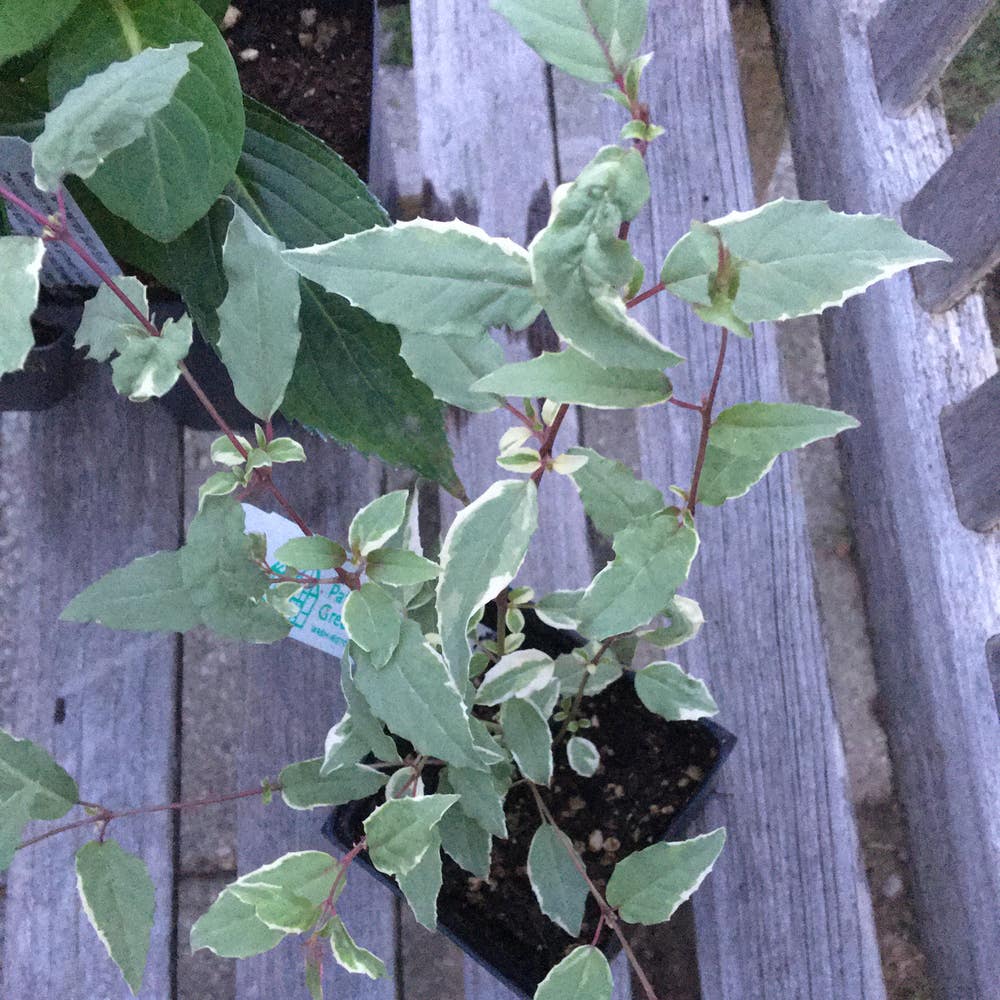
Why Are My Fuchsia triphylla Leaves Curling?
Fuchsia triphylla
By the Greg Editorial Team
Jun 15, 2024•3 min read
This article was created with the help of AI so we can cover more plants for you. May contain errors. See one? Report it here.
Solve your Fuchsia's leaf curl mystery 🌿 and restore its lush beauty with expert tips!
- 🌿 Environmental factors like sun, drafts, and humidity cause leaf curling.
- 🐞 Combat pests and diseases with natural predators, pruning, and fungicides.
- 💧🌡️ Adjust care routines with proper watering, light, and balanced fertilization.
Spot the Signs: Identifying Leaf Curling Causes
🌞 Environmental Triggers
Too much sun can turn your Fuchsia triphylla into a crispy critter, its leaves curling up as if seeking shelter. Conversely, chilly drafts and wild temperature swings can cause the leaves to recoil, like they're bracing for the next gust.
Humidity levels are like the plant's comfort food; too dry, and the leaves shrivel in protest. Aim for that sweet spot where the air isn't too parched.
🐛 Pesky Pests
Aphids, spider mites, and thrips are the trio of trouble, turning lush leaves into their personal snack bars. They're sneaky, often setting up shop on the undersides of leaves or in new growth.
🦠 Disease Dilemmas
Fungal foes and viral villains can ambush your plant, leaving behind distorted, discolored foliage. And then there's the Fuchsia gall mite, a microscopic marauder that can wreak havoc, causing severe leaf curling and distortion.

Turn the Tide: Fixing the Curl
🌞 Balancing the Elements
Adjusting light and temperature is like walking a tightrope; too much or too little can send your Fuchsia triphylla into a tizzy. Aim for bright, indirect sunlight and a stable temperature zone—think steady, like your favorite coffee shop's playlist, not a rollercoaster of highs and lows.
Humidity hacks are your secret weapon. These plants don't just like humidity; they crave it. If your home's air is drier than a stand-up comedian, it's time to set up a humidifier or a pebble tray. Keep it between 40-60% to avoid turning your living space into a swamp.
🛡️ Pest Control Tactics
When it comes to pests, think of natural predators like tiny superheroes. Ladybugs and lacewings are ready to chow down on aphids and mites. If the infestation is more Gotham than Smallville, reach for insecticidal soaps. They're the gentle nudge that tells pests to scram without going full supervillain on your plant.
💉 Disease Defense
Pruning is your first line of defense. Snip off the sad, curled leaves to stop the spread of disease and tell your plant it's time to focus on the healthy stuff. If you're dealing with fungal foes, fungicides can be your plant's knight in shining armor. Just remember, it's more about precision than pouring it on like a salad dressing.

Nourish to Flourish: Addressing Nutrient Needs
💪 Calcium and Magnesium Magic
Soil tests and supplements
Soil tests are the GPS for navigating nutrient needs. They pinpoint deficiencies, preventing the blind addition of supplements. Calcium strengthens cell walls, while magnesium is critical for photosynthesis. If leaves curl like a contortionist, it's time for a soil check-up.
🌱 Fertilizer facts: Timing and types
Timing is everything. Fertilize during active growth phases to coincide with peak nutrient uptake. Use a balanced fertilizer to avoid a tug-of-war between nutrients. Organic options like compost release nutrients slowly, fostering a steady diet for your plants. Remember, a balanced hand beats a heavy one.
Cultivate Resilience: Ongoing Care for Healthy Leaves
🕵️ Regular Check-ups
Vigilance is your plant's best friend. Like checking your car's oil, inspect your Fuchsia triphylla regularly for early signs of distress. Look for unusual leaf discoloration or wilting that could signal trouble ahead.
💧 The Watering Wisdom
Watering is more art than science. Ensure the soil moisture is consistent; dry topsoil is your cue to water. Use a long-spouted can to avoid wetting the leaves directly, as this could invite fungal gatecrashers.
🌱 Fertilization Finesse
Balanced fertilization is the cornerstone of leaf health. A quarterly dose of complete fertilizer is like a vitamin shot for your plant. Keep an eye out for over-fertilization symptoms like crusty soil, and adjust accordingly.
⚠️ Safety First
This content is for general information and may contain errors, omissions, or outdated details. It is not medical, veterinary advice, or an endorsement of therapeutic claims.
Always consult a qualified healthcare professional before using any plant as food, medicine, or supplement.
Never eat any plant (or feed one to pets) without confirming its identity with at least two trusted sources.
If you suspect poisoning, call Poison Control (800) 222-1222, the Pet Poison Helpline (800) 213-6680, or your local emergency service immediately.
Spotted an error? Please report it here.
Keep your Fuchsia triphylla's leaves healthy and flat 🌿 with Greg's tailored environment adjustments and pest control tips!