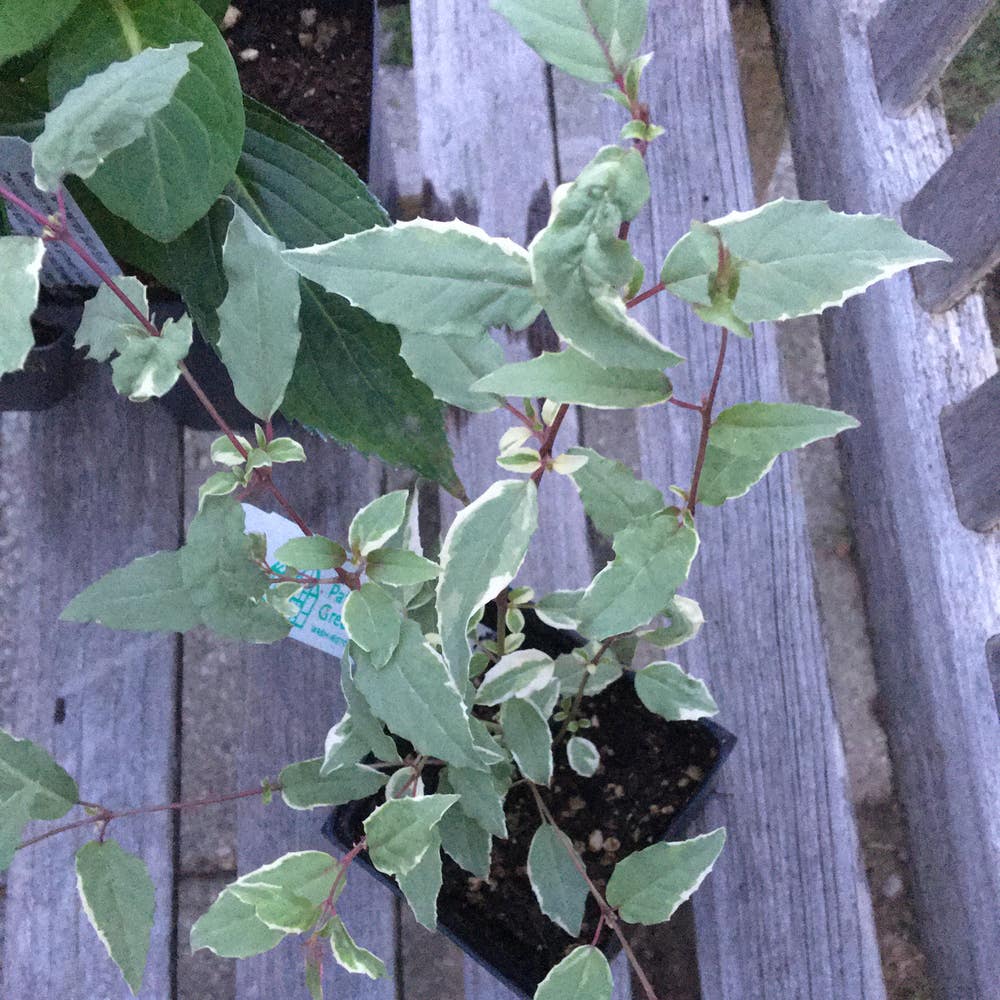
Am I Starving My Fuchsia triphylla? Fertilizing 101
Fuchsia triphylla
By the Greg Editorial Team
Jun 18, 2024•4 min read
This article was created with the help of AI so we can cover more plants for you. May contain errors. See one? Report it here.
Nourish your Fuchsia triphylla to brilliance 🌺—discover the secret to perfect blooms with our fertilizing guide!
- Balanced NPK is crucial for health and vibrant blooms.
- 🌱 Synthetic for quick boost, organic for soil health.
- Yellow leaves signal nutrient need; overfeeding risks burn and stunted growth.
Picking the Perfect Fertilizer
💐 Balanced NPK: The Key to Vibrant Fuchsia Blooms
Nitrogen, Phosphorus, and Potassium (NPK) are the trifecta of plant health. Nitrogen spurs lush greenery, Phosphorus is all about those vibrant blooms, and Potassium keeps your Fuchsia triphylla robust. A slight uptick in Phosphorus can give you the flower power you're after.
🌱 Synthetic vs. Organic: What's Best for Your Fuchsia?
It's a showdown between the quick fix of synthetic fertilizers and the slow burn of organics. Synthetics offer a rapid nutrient hit, great for a quick flourish. Organics play the long game, improving soil health over time. Your choice might just reflect whether you're after instant gratification or sustainable growth.
🍃 Reading the Signs: What Your Fuchsia's Leaves Are Telling You
Your Fuchsia's leaves are like a mood ring, color-changing to signal distress. Yellowing leaves? Could be a cry for more food. Before you panic, though, consider the whole picture—light, water, and soil conditions also play their parts.

Timing is Everything: Fertilizing Schedule
🌱 Growing Season Galore: When Your Fuchsia is Hungriest
Fuchsia triphylla's appetite peaks during the growing season. Monthly fertilization is the golden rule here, akin to a steady supply of snacks for a ravenous teen. Keep an eye on your plant's performance; if it's looking under the weather, it's time to adjust your feeding strategy.
❄️ Winter Woes: To Feed or Not to Feed?
When winter hits, your Fuchsia triphylla isn't exactly hibernating, but it's definitely not in beast mode either. Reduce your fertilizing to a bare minimum, or even hit pause if your plant is in a cool, dormant state. Over-fertilizing now is like blasting an air horn during your plant's naptime – just don't.

Fertilizer Application: Doing it Right
🌿 Mix It Up: Dilution Ratios for Liquid Gold
Dilution is a non-negotiable step in the liquid fertilizer mixology process. Start with a half-strength solution of the manufacturer's recommended dose. This cautious approach safeguards your Fuchsia triphylla from the dreaded nutrient burn. Apply this diluted liquid to moist soil, ensuring the roots absorb the nutrients efficiently. It's like a nutrient IV for your plant—effective and direct.
🌱 Granular Goodness: Even Spread for Root Health
When it comes to granular fertilizers, think of them as a time-release capsule for your plant's soil. Avoid direct contact with the stem; instead, sprinkle around the plant's base. Gently work the granules into the top inch of soil to prevent any potential root burn. After application, water your Fuchsia triphylla thoroughly. This helps the nutrients travel to the roots, providing a balanced meal without waste.

Troubleshooting: Too Much or Too Little?
💛 Yellow Leaves and Lackluster Blooms: Signs of Starvation
Yellowing leaves often wave a flag for nitrogen deficiency. If your Fuchsia triphylla is more foliage than flowers, it's probably overdosing on nitrogen while starving for phosphorus and potassium. To correct this, dial back the nitrogen and introduce a more balanced fertilizer.
Scorched leaf edges hint at potassium scarcity. A phosphorus shortage? Look for a purplish cast on leaves. Don't guess; soil tests can be your best friend here. Once you know what's missing, adjust your feeding strategy accordingly.
🔥 Burned Leaves and Stunted Growth: The Perils of Overfeeding
Overfertilization can be as damaging as neglect. Burned leaves and halted growth are your plant's way of saying, "I'm stuffed!" Ease up on the feed and give your plant some time to recover.
Remember, less is often more. If you've been heavy-handed with the fertilizer, flush the soil with water to dilute the excess nutrients. Going forward, stick to the recommended dilution rates and feeding schedules. Your Fuchsia triphylla will thank you with vibrant blooms and healthy growth.
⚠️ Safety First
This content is for general information and may contain errors, omissions, or outdated details. It is not medical, veterinary advice, or an endorsement of therapeutic claims.
Always consult a qualified healthcare professional before using any plant as food, medicine, or supplement.
Never eat any plant (or feed one to pets) without confirming its identity with at least two trusted sources.
If you suspect poisoning, call Poison Control (800) 222-1222, the Pet Poison Helpline (800) 213-6680, or your local emergency service immediately.
Spotted an error? Please report it here.
Watch your Fuchsia triphylla bloom brilliantly 🌸 with Greg's custom feeding reminders, ensuring you nail the nutrient balance from this fertilizing primer.