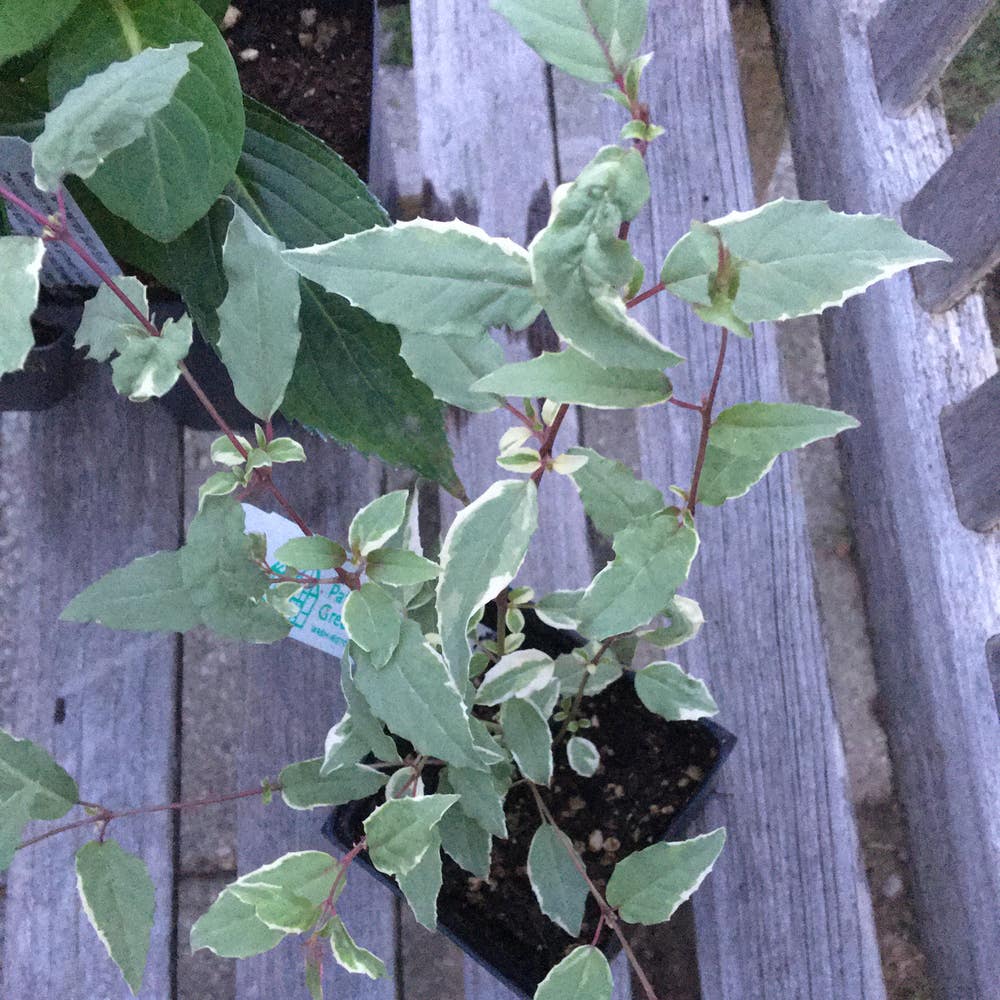
Why Is My Fuchsia triphylla Dropping Leaves?
Fuchsia triphylla
By the Greg Editorial Team
Jun 15, 2024•4 min read
This article was created with the help of AI so we can cover more plants for you. May contain errors. See one? Report it here.
Revive your wilting Fuchsia triphylla 🌿 and prevent leaf loss with these proven care strategies.
- 💧 Overwatering and underwatering both lead to leaf drop; use moisture meters.
- 🌞 Bright, indirect sunlight and stable temperatures are crucial for leaf health.
- 🌱 Nutrient balance and pest control are essential to prevent leaf loss.
When Watering Goes Wrong: Finding the Balance
🌊 Overwatering Woes
Drooping leaves and a soggy soil situation? Your Fuchsia triphylla might be drowning in excess love. Overwatering can suffocate roots, leading to a dramatic leaf drop.
Yellowing is another telltale sign; it's the plant's SOS as chlorophyll production takes a nosedive.
To course-correct, ease up on the watering. Let the soil dry out a bit before the next drink. If the pot feels like a sandbag, consider a soil switcheroo to something that drains better.
💧 The Perils of Underwatering
Crispy leaves? Your Fuchsia triphylla could be thirstier than a marathon runner. Underwatering stresses the plant, causing leaves to yellow or brown and bid adieu.
Consistent watering is key. When the top inch of soil feels like a desert, it's time to quench that thirst. Adjust your routine with the seasons; plants are like us, they have changing needs.
Remember, moisture meters aren't just for the pros. They're a handy way to avoid playing guessing games with your plant's hydration needs.

The Right Light and Cozy Conditions
🌞 Sunlight: Too Much or Not Enough?
Fuchsia triphylla thrives in that Goldilocks zone of light—not too harsh, not too dim. If your plant's leaves are waving goodbye, it might be a sign they're getting sunburned or living in the shadows. To prevent a leaf exodus, aim for bright, indirect sunlight. It's like giving your plant a pair of sunglasses; enough light to see, but no risk of a burn.
🔄 Adjusting Light for Happy Leaves
Rotate your plant regularly to ensure even light distribution. Think of it as giving your plant a well-rounded diet of rays. If you're unsure about your light conditions, consider using a light meter. It's a straightforward way to make sure your plant is getting its daily dose of sunshine without overindulging.
🌡️ Temperature and Drafts: The Invisible Threats
Temperature can be a silent leaf killer. Stable temperatures are like a comfy blanket for your plant, while drafts are the equivalent of leaving the window open in winter. Keep your Fuchsia triphylla away from drafty spots and heating vents to avoid temperature-induced stress.
💧 Environmental Optimization for Leaf Preservation
Humidity is another piece of the puzzle. Aim for a relative humidity of around 50-60%. Too dry, and your plant's leaves might turn into crisp autumn leaves; too moist, and you're in a swamp of potential rot. A simple humidity meter can help you keep tabs on the air your plant is breathing.

Feeding Your Fuchsia: A Nutritional Balancing Act
💡 Spotting Nutrient Deficiencies
Nutrient deficiencies in Fuchsia triphylla can be alarmingly obvious. Yellowing leaves, weak growth, and a general look of despair are your plant's way of saying it's time for a nutrient boost.
🍽️ Fertilizer Fixes
Balanced is the keyword when it comes to fertilizers. A mix with equal parts nitrogen, phosphorus, and potassium will keep your fuchsia's leaves firmly in place. Apply a water-soluble fertilizer every two weeks during the growing season, but ease off in the winter.
Remember, overfeeding is as bad as underfeeding. Stick to the recommended dosage on the package to avoid the perils of over-fertilization, such as weak growth and increased susceptibility to disease.
For a natural approach, well-composted material can be spread around the base of your plant in spring and fall. This provides a slow-release nutrient source that's hard to overdo.
Lastly, if your fuchsia is looking particularly down and out, a monthly dose of magnesium sulfate can work wonders. Just a tablespoon in a gallon of water will do the trick. Keep it up, and watch those leaves perk up.
Battling Bugs and Blights
🐛 Common Culprits: Pests and Diseases
Pests and diseases are leaf drop provocateurs in Fuchsia triphylla. Aphids, spider mites, and whiteflies view your plant as a buffet, while fungal villains like powdery mildew and bacterial leaf spot stealthily sabotage foliage. Vigilance is key—inspect leaves for telltale signs like discoloration or deformity.
🛡️ Winning the War on Infestations
Immediate action is crucial for a pest-free Fuchsia triphylla. For fungal foes, prune affected leaves, enhance air flow, and consider eco-friendly fungicides. Combat viral diseases by removing infected plants and inviting beneficial insects like ladybugs to the party. For stubborn pests, organic options like neem oil or insecticidal soap can be effective. Remember, prevention beats cure—maintain cleanliness, avoid wetting foliage, and ensure good air circulation.
⚠️ Safety First
This content is for general information and may contain errors, omissions, or outdated details. It is not medical, veterinary advice, or an endorsement of therapeutic claims.
Always consult a qualified healthcare professional before using any plant as food, medicine, or supplement.
Never eat any plant (or feed one to pets) without confirming its identity with at least two trusted sources.
If you suspect poisoning, call Poison Control (800) 222-1222, the Pet Poison Helpline (800) 213-6680, or your local emergency service immediately.
Spotted an error? Please report it here.
Ensure your Fuchsia triphylla stays lush and vibrant 🌿 with Greg's personalized watering reminders and plant care advice, tailored to keep those leaves firmly in place.