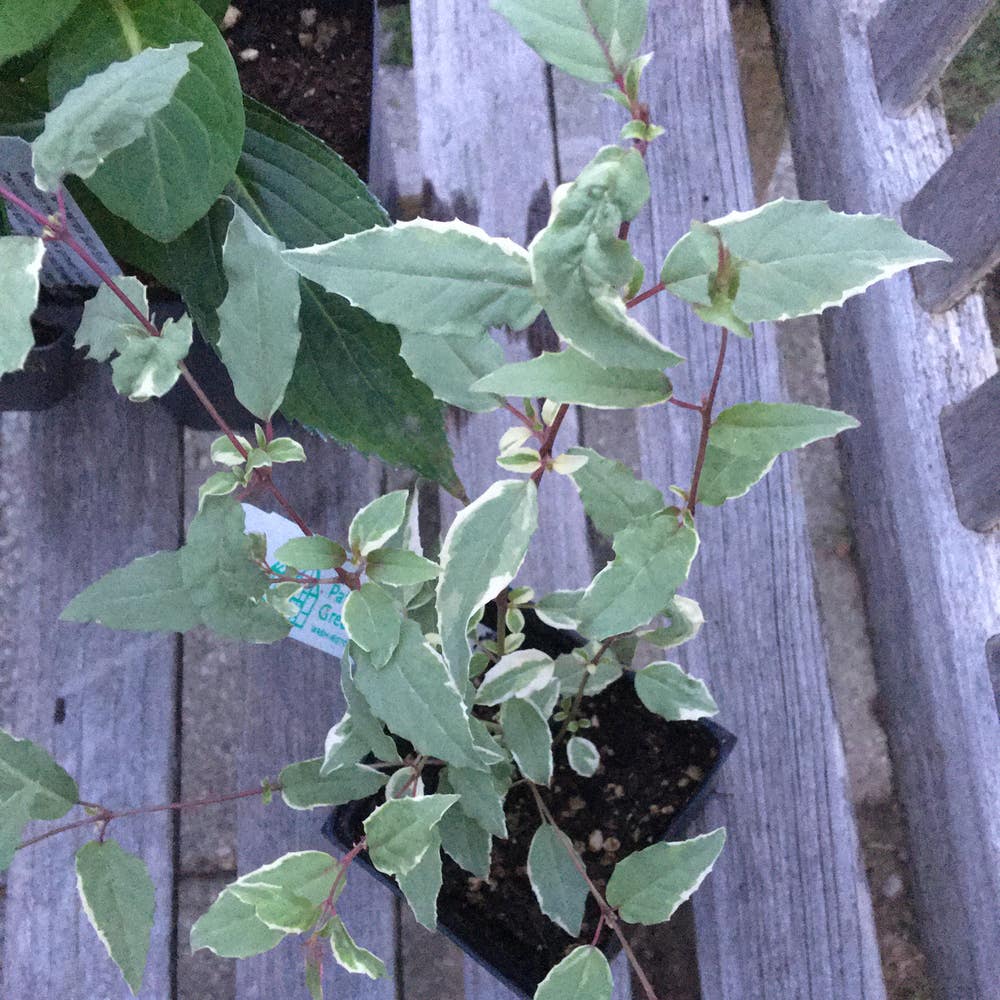
How Do I Fix Fuchsia Triphylla Root Rot?
Fuchsia triphylla
By the Greg Editorial Team
Jun 15, 2024•4 min read
This article was created with the help of AI so we can cover more plants for you. May contain errors. See one? Report it here.
Rescue your wilting Fuchsia triphylla 🌺 and prevent future root rot with these life-saving plant care tips!
- Identify root rot early with signs like wilting and yellowing leaves.
- Prune and repot using sterilized tools and well-draining soil.
- Prevent recurrence with proper watering, soil mix, and drainage.
Spotting the Trouble Signs
🚨 Identifying Symptoms of Root Rot
Wilting, yellowing leaves, and stunted growth are red flags that your Fuchsia triphylla might be sending out an SOS. Don't just stand there; it's time to get your hands dirty. Inspect the roots—if they're as brown and mushy as overripe fruit, you've got a case of root rot on your hands.
🚑 Immediate Response to Suspected Root Rot
When root rot suspicion hits, isolate the plant faster than a sneeze in flu season. This isn't a drill; get ready to treat your green friend. It's like a plant ER in here, and you're the lead surgeon prepping for a life-saving operation.

Taking Action Against Root Rot
🌿 Pruning the Damage
First things first: prune the rot away. After gently uprooting your Fuchsia triphylla, shake off the excess soil and get a clear view of the roots. Healthy roots are firm and white, while rotten ones are mushy and discolored. With sterilized shears, snip off the bad parts like a gardener-warrior on a rescue mission. Remember, cleanliness is next to godliness here, so disinfect those shears before and after to prevent spreading pathogens.
🌱 Repotting for Recovery
Next up, repotting. Think Goldilocks: you want a pot that's just right. Too big, and you risk water logging; too small, and the roots might as well be in a straightjacket. Go for a container with drainage holes to spare, and fresh, well-draining soil that's as inviting as a newly made bed. When repotting, handle your plant with the care of a porcelain restorer—gentle yet determined.
🛡️ Treatment Applications
Finally, consider a treatment spa for the remaining roots. A hydrogen peroxide bath or a copper-based fungicide can act like a shield, warding off further fungal assaults. But don't just throw chemicals at the problem and hope for the best. Consult with a plant health expert to pick the right fungicide and follow the label like it's the holy grail of plant care. Prevention beats cure, so let's not have a repeat performance.
Adjusting Care to Prevent Recurrence
💧 Watering Wisely
Check the soil before watering; it's the plant's way of saying "I'm thirsty." Aim for soil that's moist, like a wrung-out sponge, not a soaked one. Water thoroughly, letting it drain completely, and never let the plant sit in water. This is the plant equivalent of not sitting in a wet bathing suit—it's just uncomfortable and unhealthy.
🌱 Soil and Drainage Essentials
Choose the right soil mix; think of it as the plant's mattress—supportive, but not suffocating. Ensure adequate drainage; it's like having a good plumbing system to prevent water from pooling. If you're in a drier climate, tweak the mix to retain a touch more moisture, like adjusting the humidity in a terrarium.
Keeping Fuchsia triphylla Thriving
🩺 Monitoring Plant Health
Regular checks are your first line of defense. Like a health check-up, they can catch problems before they balloon into full-blown crises. Look for early signs of distress, such as leaf discoloration or slowed growth. If something seems off, don't wait—act swiftly to correct the issue.
🌿 Creating the Ideal Environment
Fuchsia triphylla craves a specific climate to flourish. Aim for daytime temperatures just below 80°F and nighttime temperatures above 60°F. Direct sunlight? Not too much, please. These plants prefer the dappled light, reminiscent of their native mountainous regions.
Well-drained soil with a pH of 6-7 is non-negotiable. It's like the plant's bed—comfort is key. Ensure pots have adequate drainage holes to prevent water from pooling. This isn't a swimming pool for roots; soggy conditions are a no-go.
Airflow is another silent hero. It's the unseen guardian that wards off fungal foes. Prune strategically to keep the air moving. Think of it as giving your plant room to breathe—a little personal space goes a long way.
Lastly, water wisely. Overwatering is the fast track to root rot, so let the soil dry out a bit between waterings. It's a delicate dance between too much and too little, but get it right, and your Fuchsia triphylla will reward you with vibrant growth.
⚠️ Safety First
This content is for general information and may contain errors, omissions, or outdated details. It is not medical, veterinary advice, or an endorsement of therapeutic claims.
Always consult a qualified healthcare professional before using any plant as food, medicine, or supplement.
Never eat any plant (or feed one to pets) without confirming its identity with at least two trusted sources.
If you suspect poisoning, call Poison Control (800) 222-1222, the Pet Poison Helpline (800) 213-6680, or your local emergency service immediately.
Spotted an error? Please report it here.
Avoid root rot and keep your Fuchsia triphylla thriving 🌿 with Greg's tailored watering plan and soil moisture checks, ensuring your plant's health is always on track.