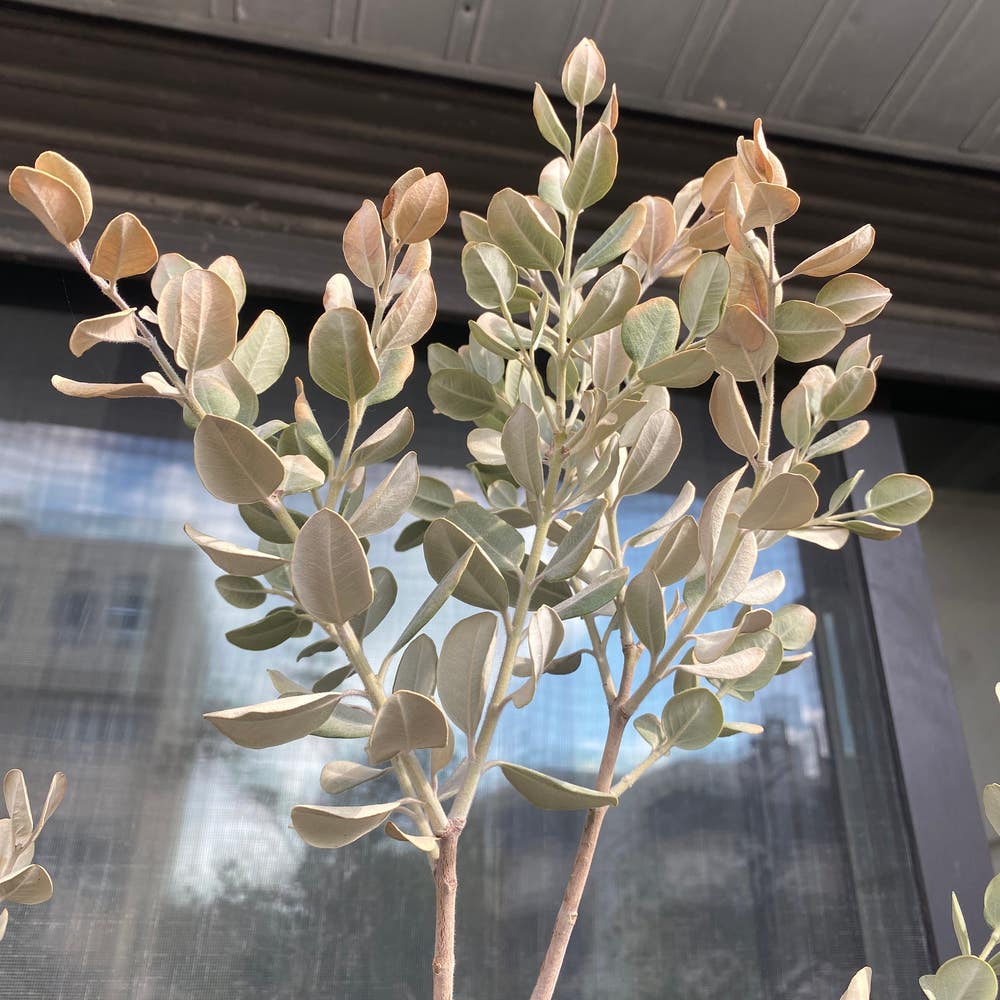
Propagating My Climbing Rata: Step-by-Step Guide
Metrosideros colensoi
By the Greg Editorial Team
Jun 14, 2024•5 min read
This article was created with the help of AI so we can cover more plants for you. May contain errors. See one? Report it here.
- Spring to early summer: Best time for stem cutting propagation.
- Humidity and warmth are key for rooting cuttings and layering branches.
- Monitor and adjust moisture, light, and temperature to prevent propagation pitfalls.
Snip & Root: Stem Cutting Propagation
🌱 Choosing Your Champion Cuttings
In the propagation arena, timing is everything. Spring into early summer marks the sweet spot for snipping your Climbing Rata. You're looking for stems that scream health—no pests, no diseases, just robust vitality. Remember, a stem with a few leaves is a contender, but one with a node is a champion.
🛠 Prepping Your Cuttings for Success
Sterilize your tools; think of it as prep for a tiny plant surgery. Make your cut below a node, and strip the lower leaves to avoid potential rot. Rooting hormone is your cutting's personal trainer, not essential but can bulk up those roots.
🌱 Creating the Perfect Rooting Environment
Choose a rooting medium that's the botanical equivalent of a comfy bed—well-draining, yet cozy enough to retain moisture. Set the stage with a humidity dome, a plastic bag with flair, to trap in the good stuff. Keep the temperature consistent, the light indirect, and your patience tank full.
Grounded Growth: Layering Propagation
🌱 Spotting the Perfect Branch for Layering
To identify a branch ripe for layering, look for robust growth and a degree of flexibility. The ideal candidate should be healthy, free of disease, and have a thickness akin to a pencil. Timing is crucial; spring's active growth phase is your best bet for success.
🕵️♂️ The Layering Lowdown
Step 1: Preparing the Branch
Select a low-lying branch and gently scrape away a few inches of the bark, exposing the inner layer. This wound is where roots will form.
Step 2: Encouraging Root Growth
Apply a rooting hormone to the exposed area to promote root development. Then, surround it with moist sphagnum moss or a similar rooting medium.
Step 3: Securing the Site
Wrap the prepared section with plastic wrap to retain moisture and secure it with ties. This makeshift greenhouse should stay put until roots are visible.
Step 4: Monitoring and Care
Check the wrapped section periodically for root growth, which could take several weeks to months. Keep the moss moist but not soggy to prevent rot.
Step 5: Independence Day
Once a healthy root system is established, sever the new plant from the parent. Pot it up in a suitable container with well-draining soil, and voilà, you've got a new Climbing Rata ready to climb.
🌿 Caring for Your New Plant
In the weeks following separation, your new Climbing Rata will need consistent watering and a watchful eye. Protect it from direct sunlight initially and gradually acclimate it to its permanent outdoor location.
Aftercare: Ensuring Your Propagated Plants Thrive
💧 The First Few Weeks
In the initial weeks, your Climbing Rata's survival hinges on moisture management. Water just enough to dodge drought without causing a flood. Indirect light is the sweet spot for growth, while a steady temperature avoids unnecessary plant stress. Hold off on the fertilizer; your greenling isn't ready for a nutrient nosh just yet.
🌱 Transitioning to a Permanent Home
Repotting time is a game of patience. Wait for a robust root system before giving your plant a new pot to call home. When the moment arrives, choose a pot with drainage holes to prevent soggy soil syndrome. After the move, water thoroughly to settle the roots, but resist the urge to pamper. Overwatering is a rookie mistake. Keep an eye on your plant's body language—droopy leaves are a cry for help.
Overcoming Propagation Pitfalls
🌱 Common Hurdles in Climbing Rata Propagation
Propagation can feel like a game of whack-a-mole with unexpected challenges popping up. Here's how to tackle them head-on.
Identifying and Solving Typical Problems
Root rot is a common villain in the propagation story. It creeps in when you're overly generous with water or your cuttings are lounging in poor drainage. Counteract this by ensuring your soil is as free-draining as a colander and by being stingy with the watering can.
Stunted growth or yellow leaves? These are your Climbing Rata's way of crying out for help. They might be begging for more light or a temperature tweak. Listen to them, adjust their environment, and they'll thank you with vigorous growth.
Tips for Troubleshooting Stem Cuttings and Layered Branches
If your stem cuttings are more lifeless than a forgotten houseplant, don't despair. Patience is key. Sometimes, they just need a little more time to wake up and root. But if they're turning into mush, it's time to cut your losses—literally. Snip above the rot and try again with drier conditions.
Layering not taking? Ensure the branch is snug against the soil, like a baby swaddled in a blanket. No air gaps, no shortcuts. Keep it pinned down and wait for nature to do its magic.
🌿 Ensuring Healthy Root Development
Roots can be shy, so give them the privacy they need. A cozy, humid environment with indirect light is like a spa day for your cuttings. But remember, too much of a good thing can lead to disaster. Balance is crucial.
🛡️ Preventative Measures for Healthy Propagation
Prevention beats cure every time. Start with sanitized tools and healthy cuttings—it's like choosing a good teammate for a group project. Keep an eye on your mini greenhouse like it's the last cookie in the jar, and you'll avoid most problems before they start.
Remember, every hiccup is a chance to grow—both your Climbing Rata and your green thumb. Stay vigilant, adjust as needed, and keep the propagation party going strong.
⚠️ Safety First
This content is for general information and may contain errors, omissions, or outdated details. It is not medical, veterinary advice, or an endorsement of therapeutic claims.
Always consult a qualified healthcare professional before using any plant as food, medicine, or supplement.
Never eat any plant (or feed one to pets) without confirming its identity with at least two trusted sources.
If you suspect poisoning, call Poison Control (800) 222-1222, the Pet Poison Helpline (800) 213-6680, or your local emergency service immediately.
Spotted an error? Please report it here.
Successfully propagate your climbing Rata with Greg's 🌿 custom care reminders, ensuring your new plants thrive with the perfect balance of moisture, light, and warmth.