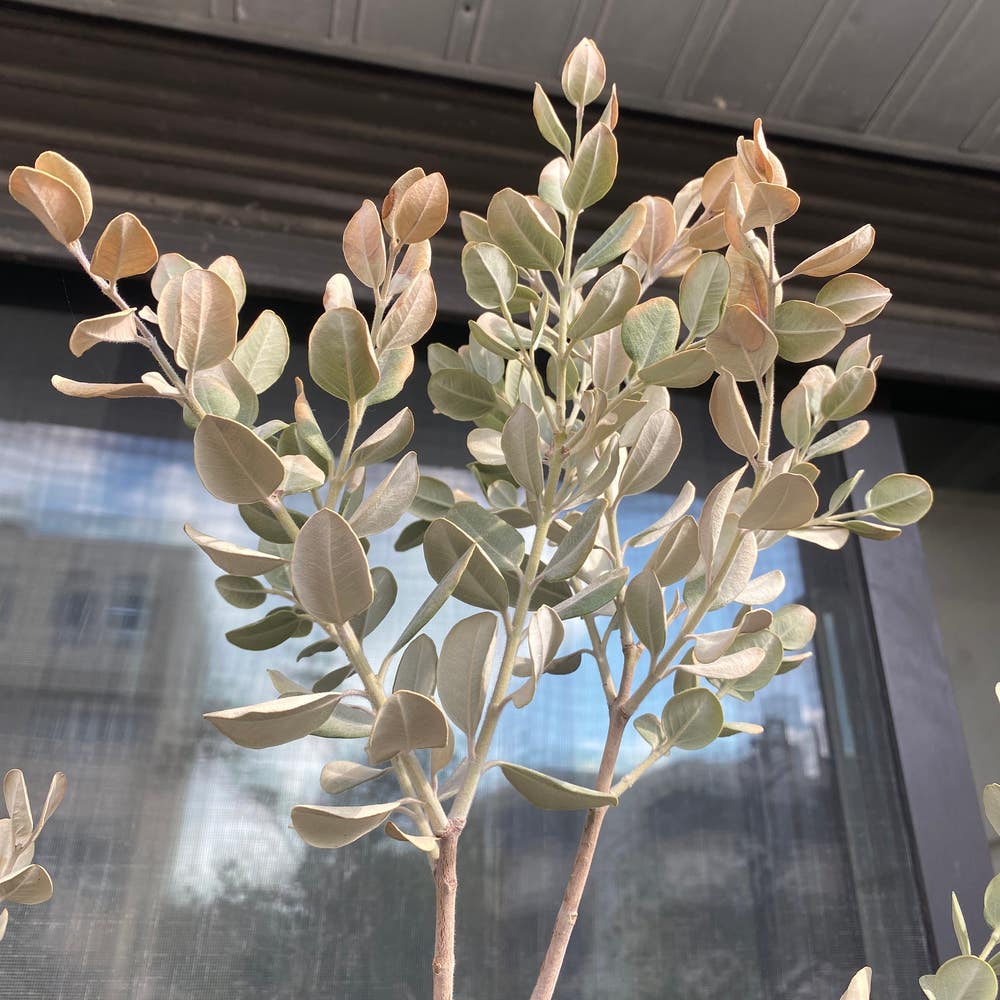
Why Are My Climbing Rata Leaves Turning Yellow?
Metrosideros colensoi
By the Greg Editorial Team
Jun 14, 2024•3 min read
This article was created with the help of AI so we can cover more plants for you. May contain errors. See one? Report it here.
- Nutrient imbalances like nitrogen or iron deficiency cause yellow leaves.
- Watering just right prevents over/underwatering-related yellowing.
- 🌡️ Stable environment with correct light and temperature combats yellow leaves.
Pinpointing the Culprits Behind Yellow Leaves
💡 Nutrient Shortfalls
Yellow leaves on your Climbing Rata might be shouting for nitrogen or iron. If the older leaves are yellowing first, it's likely a nitrogen deficiency. Iron shortage? Look for yellow leaves with green veins. A soil test is your best bet to confirm these suspicions.
🚰 Water Woes
Overwatering can drown your Climbing Rata's roots, leading to yellow leaves. Conversely, underwatering leaves the soil dry and your plant's growth stunted, with leaves turning yellow and potentially falling off. Balance is key.
🛡️ Unwanted Guests and Illnesses
Pests and diseases are like unwanted party crashers for your Climbing Rata. Sticky residue or rusty patches? You've got bugs or fungus. Yellow leaves with dark spots are like a distress signal for diseases. Early detection is crucial, so keep a vigilant eye out for these intruders.
Turning Over a New Leaf: Solutions for Yellowing
💪 Feeding Your Climbing Rata Right
Nitrogen and iron are key players in keeping Climbing Rata leaves vibrant. Spot a deficiency? Act fast. Fertilize with a water-soluble blend, ensuring it covers these essentials. Organic aficionados might lean towards manure or bonemeal pellets. For a quick turnaround, foliar sprays are the emergency responders of the plant world.
💧 Watering Wisdom
Yellowing can scream overwatering or whisper underwatering. The fix? Balance. Ensure the soil is moist but not soggy. Stick your finger in; if it's dry an inch down, it's time to water. If it's wet, give it a break. Remember, your Climbing Rata isn't a fish; it doesn't need to swim.
🐜 Keeping Pests and Diseases at Bay
Pests and diseases are the party crashers of the plant world. Spot them early and show them the door with insecticidal soap or a dab of rubbing alcohol. For diseases, trim the affected areas and adjust your care routine. Prevention is key, so keep a watchful eye and act before these uninvited guests settle in.
Environmental Factors and Yellow Leaves
🌞 Light Levels and Leaf Health
Climbing Rata plants are sunlight aficionados, but they don't appreciate the full glare of the midday sun. They prefer a consistent dose of indirect light. Too much sun can bleach leaves yellow, while too little can cause them to turn a sickly shade. Rotate your plant regularly to ensure even light exposure, and adjust its position as the intensity of seasonal light changes.
🌡️ Temperature and Humidity Tweaks
Temperature stability is key to preventing yellow leaves. Climbing Rata doesn't take kindly to sudden changes; it thrives in a predictable environment. As seasons shift, so should your care routine. Keep indoor temperatures steady and avoid placing your plant near drafty windows or heating vents. Humidity is another factor; these plants enjoy moderate levels, so consider using a humidifier or a pebble tray to maintain a comfortable atmosphere. Keep an eye on the humidity level, especially during dry winter months or in air-conditioned rooms during summer.
⚠️ Safety First
This content is for general information and may contain errors, omissions, or outdated details. It is not medical, veterinary advice, or an endorsement of therapeutic claims.
Always consult a qualified healthcare professional before using any plant as food, medicine, or supplement.
Never eat any plant (or feed one to pets) without confirming its identity with at least two trusted sources.
If you suspect poisoning, call Poison Control (800) 222-1222, the Pet Poison Helpline (800) 213-6680, or your local emergency service immediately.
Spotted an error? Please report it here.
Revive your Climbing Rata's vibrancy and prevent yellow leaves 🍂 with Greg's tailored watering and nutrient reminders based on your home environment!