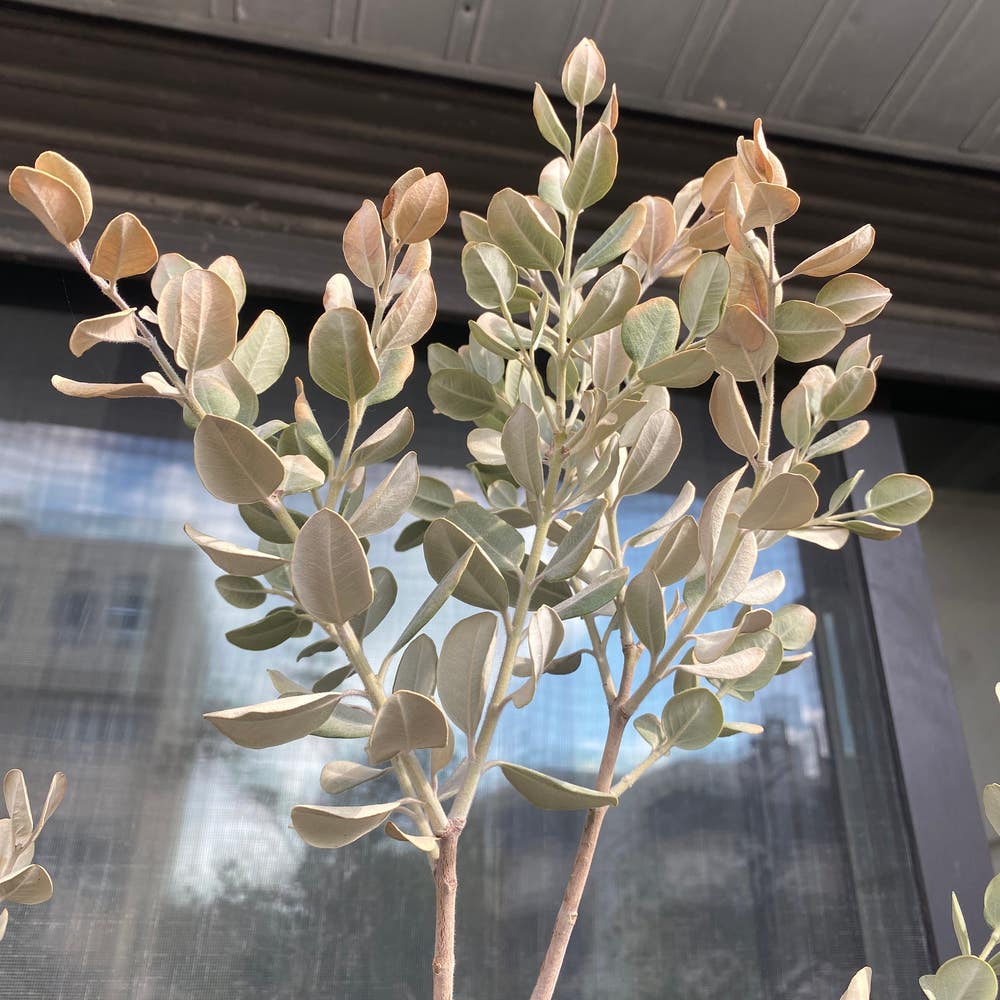
Should I Repot My Climbing Rata?
Metrosideros colensoi
By the Greg Editorial Team
Jun 14, 2024•4 min read
This article was created with the help of AI so we can cover more plants for you. May contain errors. See one? Report it here.
- Root visibility and water bypass signal it's time to repot your Climbing Rata.
- Choose a slightly larger pot with good drainage for a healthy transition.
- Post-repot care: Adjust watering and monitor growth, no fertilizing for a month.
Spot the Telltale Signs It's Time to Repot
🌱 Roots Taking Over
When your Climbing Rata's roots peek out of the drainage holes or form a tight spiral at the bottom of the pot, it's not just being quirky. It's a clear signal: your plant is root-bound and yearning for a bigger space.
💧 Water Woes
If water runs through the pot like a river rapid, barely touching the sides, it's a red flag. Your Climbing Rata's roots have likely become the main tenant, leaving little room for soil and moisture retention.
🌿 Sluggish Growth
A once thriving Climbing Rata that's now hitting a growth wall is silently pleading for help. Discolored leaves or a general lack of vigor are not just aesthetic concerns; they're symptomatic of a cramped environment begging for expansion.
The Repotting Rundown: A Step-by-Step Guide
🏡 Prepping the New Home
Size matters when it comes to the new pot for your Climbing Rata. Opt for a pot that's just one size up—too big and you risk waterlogging. Make sure it has drainage holes; your plant's not a fan of soggy feet. Wash the new pot to evict any unwanted germs, then lay down a foundation of gravel or broken pottery for that extra drainage oomph. Top it off with a layer of fresh, well-draining potting mix.
🚚 The Big Move
It's moving day! Start by watering your Climbing Rata to make the roots more pliable. Gently tap and squeeze the current pot to encourage the plant to let go. If it's clinging on for dear life, a little more persuasion may be needed—just don't turn it into a wrestling match. Once free, inspect the root ball and trim any dead or overgrown roots. It's like giving your plant a haircut to look its best for its new home.
🏠 Settling In
Now, introduce your Climbing Rata to its new abode. Position it in the center and backfill with more potting mix, ensuring it's at the same depth as before to prevent any stem rot drama. Water it just enough to settle the soil—think of it as tucking your plant in without drowning it. This isn't a pool party; it's a cozy nap in fresh sheets. Keep an eye on the soil moisture over the next few days, and adjust your watering routine to the plant's new living conditions.
Choosing the Right Pot: Material Matters
💨 Breathability and Moisture Control
Terracotta pots are the MVPs of moisture management, letting soil breathe and reducing the risk of overwatering. Their porous nature is a win for root health, but it means you'll be watering your Climbing Rata more often. Fabric pots, on the other hand, offer top-notch aeration and encourage strong root systems, yet they demand frequent watering and may have a shorter lifespan.
🏋️ Weight and Aesthetics
Ceramic pots are the heavyweights—literally. They're stylish and sturdy but can be a pain to move. Their less porous walls hold moisture longer, which can be a blessing or a curse, depending on your watering habits. Drainage holes are non-negotiable here; without them, your Climbing Rata might as well be swimming.
💰 Budget-Friendly and Practical
Plastic pots are the wallet-friendly option, light and easy to shuffle around. They keep soil moist for longer, which can be great for the forgetful gardener but a potential death sentence for overwaterers. While not the best for breathability, they're a practical choice if you're after a low-maintenance solution. Just keep an eye on the watering, and your Climbing Rata should be just fine.
Aftercare: Helping Your Climbing Rata Thrive Post-Repotting
💧 Watering Wisely
After repotting, adjust your watering routine to match your Climbing Rata's needs. Begin with moderate watering to encourage root growth, ensuring the soil is moist but not waterlogged. Let the top inch of soil dry out before the next watering. This plant isn't a fan of soggy feet, so keep that in mind to prevent root rot.
👀 Monitoring and Maintenance
Keep an eye out for growth and health indicators. New growth is a high-five for your efforts, while drooping leaves are a cry for help. If you notice any signs of distress, it's time to tweak your care routine. Hold off on fertilizing for at least a month to let your Climbing Rata settle in. Remember, it's a marathon, not a sprint, to recovery.
⚠️ Safety First
This content is for general information and may contain errors, omissions, or outdated details. It is not medical, veterinary advice, or an endorsement of therapeutic claims.
Always consult a qualified healthcare professional before using any plant as food, medicine, or supplement.
Never eat any plant (or feed one to pets) without confirming its identity with at least two trusted sources.
If you suspect poisoning, call Poison Control (800) 222-1222, the Pet Poison Helpline (800) 213-6680, or your local emergency service immediately.
Spotted an error? Please report it here.
Give your climbing Rata a fresh start 🌿 by letting Greg tailor your post-repotting watering schedule, ensuring your plant settles in and prospers in its new pot!