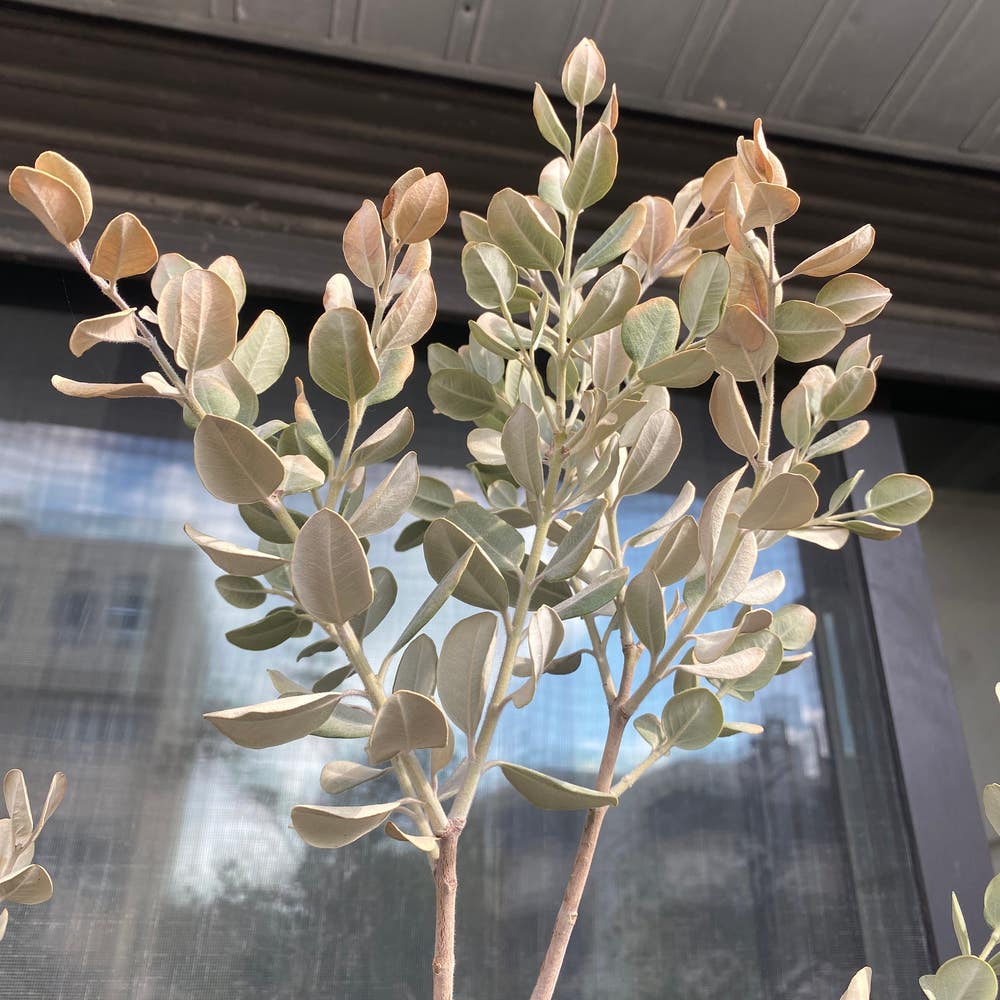
Why Are My Climbing Rata Leaves Curling?
Metrosideros colensoi
By the Greg Editorial Team
Jun 14, 2024•4 min read
This article was created with the help of AI so we can cover more plants for you. May contain errors. See one? Report it here.
- Light, temperature, and water are key to preventing Climbing Rata leaf curl.
- Nutrient balance is crucial; use balanced N-P-K fertilizer to avoid deficiencies.
- Monitor and adjust care based on plant cues for healthy, uncurled leaves.
Pinpointing the Culprits of Leaf Curling
💡 Light and Temperature Troubles
Too much light can make Climbing Rata leaves curl into tiny green fortresses. Conversely, too little light leaves them stretched out, desperate for photons. Temperature isn't any less finicky; a sudden drop can send your plant into a state of shock, with leaves curling as if bracing for impact. Consistency is key—a stable environment prevents these defensive contortions.
🚰 Water Woes
Overwatering turns leaves into droopy, yellowed flags of surrender, while underwatering leaves them curled and thirsty. The trick is to find a balance, like a tightrope walker, ensuring the soil's moisture is just right—neither a swamp nor a desert. Soil moisture plays a sneaky role, too, so keep it in check to avoid unwanted leaf gymnastics.
🌱 Soil and Roots: The Hidden Drama
Bad soil is like a bad mattress; it can ruin your plant's posture. Poor drainage and soil compaction are the culprits behind suffocating roots, leading to leaves curling in distress. Meanwhile, the root health directly influences the leaf's well-being. Healthy roots equal happy leaves, so give them room to breathe and grow.
Feeding Frenzy: Nutrients and Leaf Curling
🌿 Spotting the Signs of Starvation
Leaf curl in Climbing Rata could be a distress signal for nutrient deficiencies. Yellowing leaves often cry out for nitrogen, while stunted growth and lackluster foliage might indicate a lack of potassium and phosphorus. If your plant's leaves resemble a crumpled paper ball, it's time to consider whether it's getting its dietary needs met.
🍽️ Crafting the Perfect Meal Plan
A balanced diet is crucial for your Climbing Rata. Fertilizing should be like setting the perfect plate for dinner: a little bit of everything. A balanced N-P-K (nitrogen, phosphorus, potassium) fertilizer is your go-to. But remember, moderation is key—overfeeding can lead to nutrient burn, underfeeding to starvation. Stick to a regular feeding schedule that matches your plant's growth stage and always keep an eye out for how it responds post-meal.
The Art of Un-Curling Leaves
💡 Light and Temperature Fine-Tuning
When your Climbing Rata's leaves resemble a crumpled paper ball, it's time to adjust the spotlight. Too much sun can fry your plant's aspirations for flat leaves. Find that Goldilocks zone where the light is bright but not scorching. Rotate your plant regularly to ensure all sides get their moment in the sun, quite literally.
Keep your Climbing Rata out of the cold shoulder of drafts and away from the searing breath of heaters. Aim for a steady temperature that doesn't swing like a pendulum. Think of it as setting the thermostat for a guest who's never quite comfortable.
💧 Watering Wisdom
Overwatering can turn your Climbing Rata into an underwatered Atlantis, while underwatering makes it a desert dweller. Neither is ideal. Water when the top inch of soil feels dry—no need for a rain dance, just a consistent check-in with the soil's moisture level.
Adapt your watering to the seasons—less in the winter, a bit more in the summer. Your plant's thirst changes with the calendar, and so should your watering routine. It's not just about keeping a schedule; it's about being attuned to the needs of your leafy friend.
🌱 Soil Surgery
If your soil is more compact than a rush-hour subway, it's time to give your plant some breathing room. Aerate the soil gently to improve drainage and encourage roots to explore. Think of it as loosening a tight belt after a big meal.
When your Climbing Rata's roots are more tangled than last year's Christmas lights, consider a repotting intervention. Fresh soil, a new pot, and careful root pruning can give your plant a new lease on life. It's not just a change of scenery; it's a full-blown relocation program for healthier growth.
Staying Ahead of the Curl
🕵️ Vigilant Monitoring and Swift Action
Keeping a watchful eye on your Climbing Rata can preempt the panic of leaf curling. It's about being proactive, not reactive—like a secret service agent for your plant.
Early Detection for Early Prevention
Spotting the first signs of trouble—be it a slight curl or a change in color—is crucial. Regular inspections are your best defense, turning potential disasters into mere hiccups.
Adjusting Care with Climbing Rata's Cues
Your plant communicates, albeit not with words. A drooping leaf or a dry patch is its way of saying, "Hey, I need a little help here!" Respond promptly to these cues by tweaking your care routine. It's like fine-tuning an instrument to get the perfect pitch.
The Responsive Approach
As the seasons shift, so should your care strategy. Your Climbing Rata's needs will change, and your care should be as dynamic as the weather. Stay on your toes, ready to adjust watering, lighting, and feeding as needed.
⚠️ Safety First
This content is for general information and may contain errors, omissions, or outdated details. It is not medical, veterinary advice, or an endorsement of therapeutic claims.
Always consult a qualified healthcare professional before using any plant as food, medicine, or supplement.
Never eat any plant (or feed one to pets) without confirming its identity with at least two trusted sources.
If you suspect poisoning, call Poison Control (800) 222-1222, the Pet Poison Helpline (800) 213-6680, or your local emergency service immediately.
Spotted an error? Please report it here.
Keep your Climbing Rata's leaves happy and flat 🍃 with Greg's custom care reminders that tackle light, water, and nutrient balance with ease!