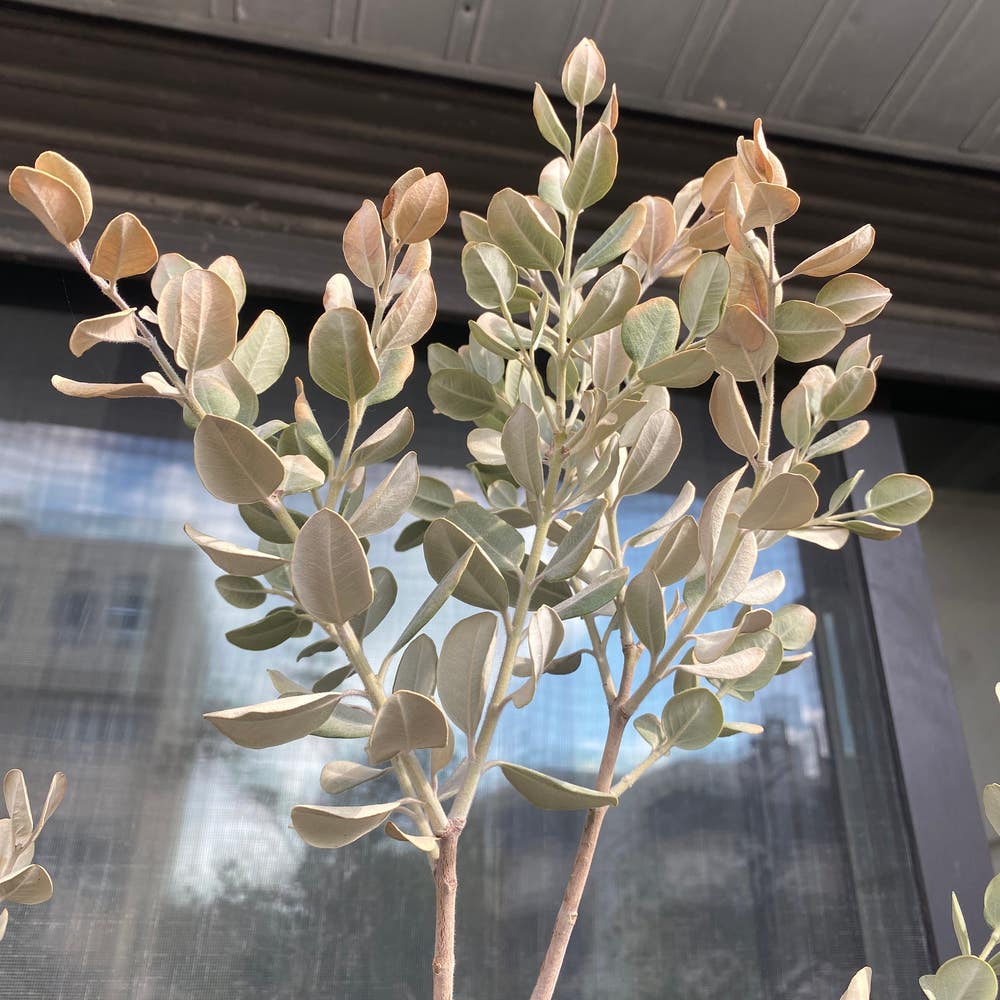
10 Advantages of Having a Climbing Rata
Metrosideros colensoi
By the Greg Editorial Team
Jun 14, 2024•5 min read
This article was created with the help of AI so we can cover more plants for you. May contain errors. See one? Report it here.
- Vibrant red blooms enhance garden aesthetics from summer to mid-winter.
- Attracts wildlife, serving as a biodiversity hub and natural habitat.
- Drought-resistant and medicinal, Climbing Rata is both practical and historical.
Aesthetic Marvel in Your Garden
The Climbing Rata transforms any garden into a visual spectacle with its vibrant red blooms and lush greenery. This plant's allure lies not just in its striking flowers but also in its ability to bring a dynamic visual narrative to your outdoor space.
👀 Eye-Catching Blooms
The Climbing Rata's flowers are a beacon of color, with shades ranging from orange to deep red. Their brilliance is unmatched, especially when they burst forth from summer to mid-winter, providing a rare continuity of color.
🌸 Seasonal Visual Drama
As the seasons shift, so does the Climbing Rata. Its foliage and blooms undergo a dramatic transformation, offering a living display that evolves with the passing months. From the fresh verdant leaves of spring to the rich, fiery tones of autumn, this plant is a master of seasonal change.
Eco-Warrior of the Plant World
🐝 A Hub for Bees, Butterflies, and Birds: Boosting Biodiversity
The Climbing Rata is not just a pretty face; it's a biodiversity hotspot. Its vivid orange to red flowers are like a beacon for bees, butterflies, and birds, offering a rich source of nectar. This is especially crucial when other plants have ceased blooming, making Climbing Rata a year-round nectar station.
🌿 Natural Accommodations: How Climbing Rata Supports Local Wildlife
Climbing Rata goes beyond providing food. It creates natural habitats for various creatures. Its dense foliage offers shelter for birds and insects, creating a living ecosystem right in your garden. By planting Climbing Rata, you're crafting a sanctuary for wildlife, which is a smart move in our concrete-clad world.
A Plant with a Past
🌺 Weaving Tales in the Garden
The Climbing Rata, or Scarlet rata vine, isn't just a plant; it's a storyteller. Each bloom and tendril holds echoes of the past, from its cultural significance to the legends it inspires. In gardens, it serves as a living diary, its vivid orange to red flowers not just a spectacle but a symbol of resilience and heritage.
🌿 The Climbing Rata as a Living Heritage Piece
This climber is more than a botanical specimen; it's a heritage piece. Its presence in a garden can signify a connection to the land and its original stewards, much like indigenous textiles embody the stories of their weavers. The Climbing Rata's long flowering period, providing nectar for native wildlife, makes it a living tribute to the ecological narratives of a region. It's not just growing; it's preserving a lineage, a testament to the enduring spirit of both nature and culture.
Practical Perks of Planting Climbing Rata
Nature's own pharmacy is not just a catchy phrase when it comes to the Climbing Rata. This plant has a medicinal side that's as intriguing as its fiery blooms. While not every garden plant doubles as a remedy, Climbing Rata has been noted for its traditional uses in healing. It's like having a living first-aid kit twining up your trellis. However, remember that any medicinal application should be approached with caution and knowledge; consult a professional before using plants for health purposes.
Moving on to its resilience, Climbing Rata is a drought-resistant dynamo. This plant is practically a poster child for water-wise gardening, thriving with minimal moisture once established. It's a relief for those in drier climates or for forgetful waterers. Plus, its ability to endure with less water makes it a sustainable choice for the eco-conscious gardener.
🌍 Adapting to Your Environment
Climbing Rata doesn't demand a tropical paradise; it's more of a 'make do with what you've got' kind of plant. It can adapt to various conditions, whether it's a sunny spot or a bit of shade. This adaptability extends to soil types too, although it appreciates good drainage.
👩🌾 Low-Maintenance Love
For those who want the glory without the graft, Climbing Rata is a dream. It's low-maintenance, asking for little but giving a lot. It's the kind of plant that makes you look like a green-thumbed wizard without the need for constant attention. Just plant, provide basic care, and watch it conquer your garden space with vibrant color and life.
Landscape Artist's Dream
🌿 Adaptable Growth: Climbing Rata's Versatility in Your Garden Design
Climbing Rata doesn't just grow; it adapts. Whether you're looking to create a forest feel in a small garden or a balcony, this plant is your go-to. It clings, it scrambles, and if you let it, it will form a shrub that gives your space a touch of the wild. Bright red flowers from summer to mid-winter provide a splash of color when most plants have called it quits.
⏳ A Testament to Time: The Enduring Nature of Climbing Rata
This plant is not just a seasonal show-off; it's a long-term commitment. With its ability to grow up to 10 meters, the Climbing Rata reaches for the canopy, creating a living sculpture that evolves over time. Its thick, twisted stems become like natural art, dangling from their supports and giving your garden a timeless quality.
🎨 Versatility in Landscaping
Climbing Rata is the Swiss Army knife of plants. Need a vine for your trellis? Check. Want to cover an unsightly wall? Got it. It's as comfortable in partial shade as it is soaking up the sun, proving its worth in diverse settings. And let's not forget, it's a hit with the local wildlife, turning your garden into a buzzing hub of activity.
💪 Resilience Meets Beauty
Here's the kicker: Climbing Rata is drought-resistant. Once established, this plant is content with its soil and position, asking for little but giving a lot. It's the perfect blend of low maintenance and high impact, making it a favorite for both novice gardeners and seasoned landscape artists.
⚠️ Safety First
This content is for general information and may contain errors, omissions, or outdated details. It is not medical, veterinary advice, or an endorsement of therapeutic claims.
Always consult a qualified healthcare professional before using any plant as food, medicine, or supplement.
Never eat any plant (or feed one to pets) without confirming its identity with at least two trusted sources.
If you suspect poisoning, call Poison Control (800) 222-1222, the Pet Poison Helpline (800) 213-6680, or your local emergency service immediately.
Spotted an error? Please report it here.
Transform your garden into a vibrant ecosystem 🌿 with the Climbing Rata, and rely on Greg for personalized care reminders that ensure your living masterpiece thrives.