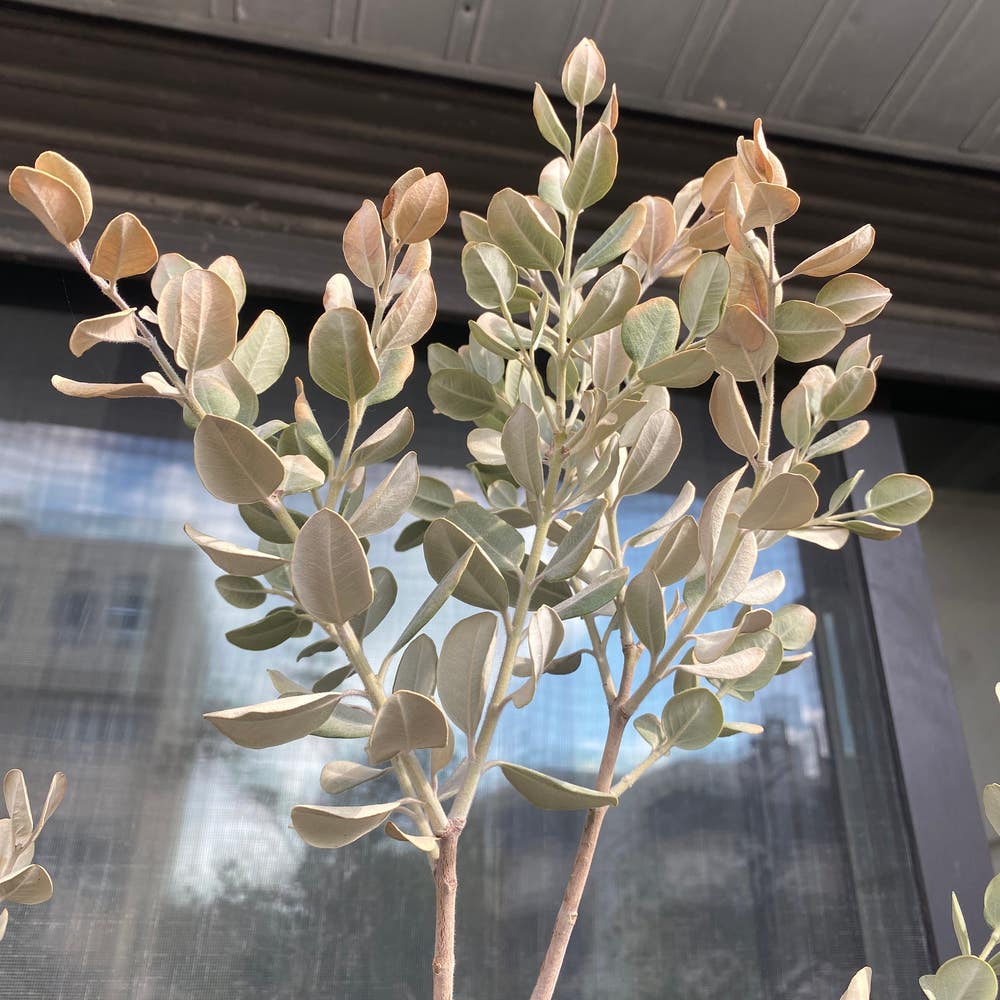
Am I Starving My Climbing Rata? Fertilizing 101
Metrosideros colensoi
By the Greg Editorial Team
Jun 14, 2024•4 min read
This article was created with the help of AI so we can cover more plants for you. May contain errors. See one? Report it here.
- Understand NPK ratios for Climbing Rata's health and blooming.
- Seasonal fertilizing—spring for roots, summer for blooms, less in fall/winter.
- Avoid overfeeding; watch for yellow leaves or brown tips as signs.
Choosing the Right Fertilizer for Your Climbing Rata
💪 Organic vs. Synthetic Fertilizers
Organic fertilizers are the marathon runners of plant nutrition, releasing nutrients at a slow, steady pace. They improve soil health over time, fostering a robust ecosystem for your Climbing Rata. On the flip side, synthetic fertilizers act like a sprinter, delivering a rapid nutrient surge that can kickstart growth and blooming. However, they come with a risk of nutrient burn if not used judiciously.
Understanding NPK Ratios
The NPK ratio is like a nutritional label for your Climbing Rata's diet. Nitrogen (N) fuels lush, green growth, essential for vigorous vines. Phosphorus (P) is the root whisperer, encouraging strong root development and blooming. Potassium (K) is the all-rounder, bolstering the plant's overall health and resilience. A balanced NPK ratio tailored to the Climbing Rata's needs ensures it doesn't just survive – it thrives.
When to Fertilize for Optimal Blooms
🌱 Kickstarting Spring Growth
Spring is crucial for setting the stage. Begin fertilizing your Climbing Rata as new growth appears, typically in early spring. This initial feeding encourages strong root development, vital for the health of your vines and the vibrancy of future flowers.
🌼 Supporting Summer Blooming
As summer heats up, so does your plant's nutrient needs. Maintain a consistent fertilization regime, but with a lighter touch. Overfeeding in high temperatures can stress your Climbing Rata, so think of it as a plant diet for the sweltering months.
🍂 Winding Down in Fall and Winter
Come fall, it's time to ease up. Reduce the fertilization frequency to prepare your Climbing Rata for dormancy. In winter, minimal to no fertilization is best. Overfeeding during this period is counterproductive, akin to revving a car engine in neutral.
How to Apply Fertilizers Effectively
🌱 Soil vs. Foliar Feeding
Soil application: Think of it as the main course for your Climbing Rata. Dilute your fertilizer and pour it onto the soil, steering clear of the leaves to avoid the dreaded 'swamp effect.' The aim is to quench the roots, not drown them.
Foliar feeding: Consider this the snack between meals. A spritz of diluted nutrients on the leaves can act as a quick pick-me-up. Timing is crucial—early morning or late afternoon is prime time to avoid leaf burn.
Frequency and Quantity
Less is more when it comes to fertilizing. Overzealous spoon-feeding can lead to nutrient burn, so follow the Goldilocks principle—not too little, not too much, just right.
For the Climbing Rata, a consistent schedule beats a feast-or-famine approach. Think small, regular meals rather than a weekend binge. This ensures nutrients are fully utilized and not washed away.
Visual cues are your best friend. If your Rata is looking lush and blooming, you're on the right track. If it's more 'meh' than 'wow,' adjust your feeding strategy accordingly.
Remember, the right amount varies, so always read the label. When in doubt, err on the side of caution—you can always add more, but you can't take it back.
Keeping Your Climbing Rata Happy, Not Overfed
🚫 Spotting the Signs of Too Much Love
Overzealous fertilization can turn your Climbing Rata from a flourishing beauty into a cautionary tale. Yellow leaves or brown tips are your plant's way of saying, "I'm full, thanks!" A white, crusty soil surface is another red flag, signaling excess fertilizer salts. It's the plant equivalent of a bloated belly after a big meal.
🛠️ Correcting Over-Fertilization
If you've tipped the scales and over-fertilized, it's time for plant rehab. Cease all fertilization immediately to prevent further damage. Begin recovery by flushing the soil with water—think of it as a detox for your plant's roots. After the flush, trim away any damaged foliage to help your Climbing Rata focus on regenerating healthy growth. Resume fertilizing with a diluted solution once you see signs of improvement, and keep a closer eye on your plant's response moving forward.
⚠️ Safety First
This content is for general information and may contain errors, omissions, or outdated details. It is not medical, veterinary advice, or an endorsement of therapeutic claims.
Always consult a qualified healthcare professional before using any plant as food, medicine, or supplement.
Never eat any plant (or feed one to pets) without confirming its identity with at least two trusted sources.
If you suspect poisoning, call Poison Control (800) 222-1222, the Pet Poison Helpline (800) 213-6680, or your local emergency service immediately.
Spotted an error? Please report it here.
Nourish your Climbing Rata to perfection with Greg's customized 🌱 feeding reminders, ensuring you hit the right NPK balance every season.