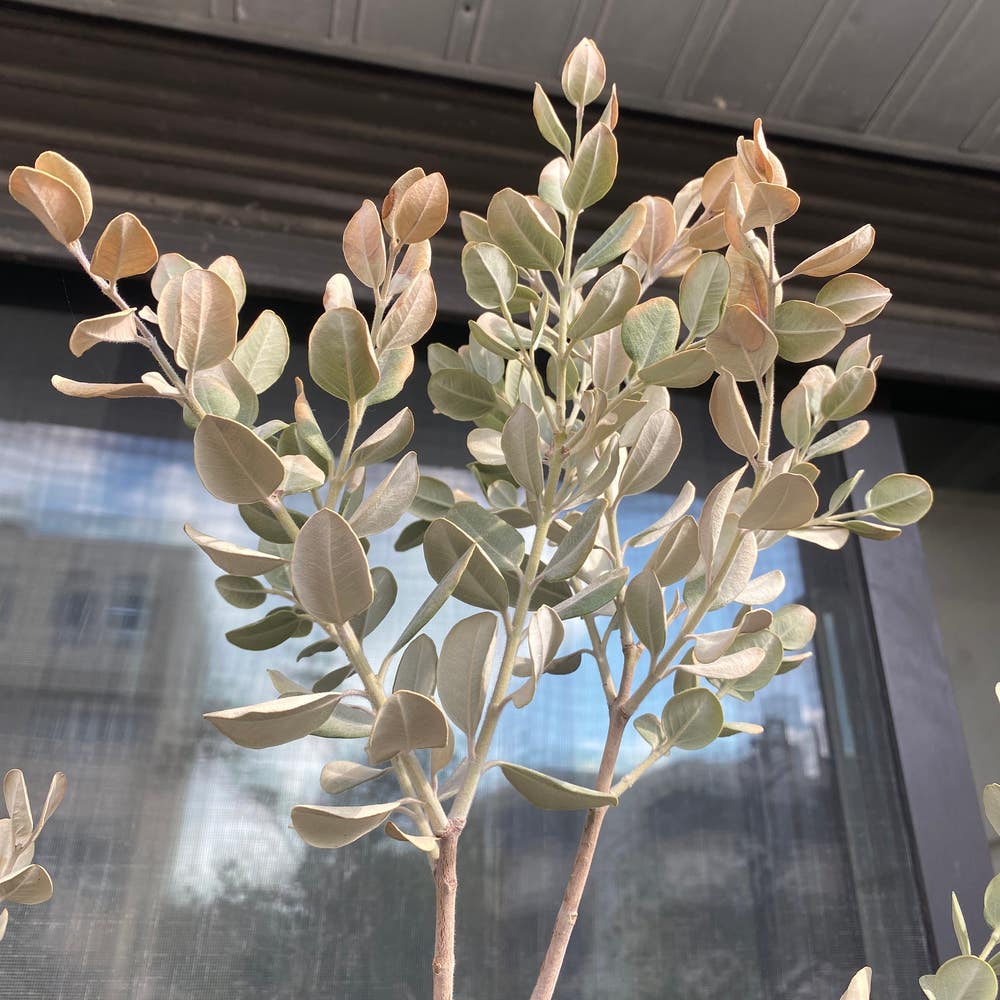
Black Spots on My Climbing Rata Leaves
Metrosideros colensoi
By the Greg Editorial Team
Jun 14, 2024•5 min read
This article was created with the help of AI so we can cover more plants for you. May contain errors. See one? Report it here.
- Black spots signal distress, from fungi, bacteria, or environmental issues.
- Fungicides and bactericides treat infections, while care adjustments prevent them.
- Regular checks and preventive measures keep Climbing Rata leaves healthy.
Spotting the Culprit: Identifying Black Spots
🕵️♂️ What Do They Look Like?
Black spots on Climbing Rata leaves are the plant's SOS—a visual distress signal. They start as tiny specks, often less than ⅛ inch in diameter, and can balloon into larger, more ominous blotches. These spots are typically dark, ranging from jet black to a murky brown, and may be encircled by a yellow halo, screaming 'trouble'. They're not shy about where they pop up—both the topside and underside of leaves can become their canvas.
Common Causes
When it comes to the causes, it's a lineup of usual suspects: fungal infections, bacterial invasions, and environmental stressors. Fungi tend to leave circular or angular spots, sometimes sporting a purple-red border, while bacteria prefer to go for the water-soaked look with lighter centers. Environmental factors? They're more like the wildcard—spots from overwatering or too much sun can appear more randomly. It's a detective game where the clues are microscopic, but the impact is all too visible.
Unraveling the Mystery: Pinpointing the Cause
🍄 Fungal or Bacterial?
Black spots on Climbing Rata leaves can be a real headache, but figuring out if they're fungal or bacterial is key. Fungal infections often show up as concentric rings or powdery coatings, sometimes with a colorful halo. They're like uninvited guests that don't know when to leave. On the flip side, bacterial spots are the life of the pity party, presenting as greasy, water-soaked lesions that might smell worse than your gym socks.
🌿 Environmental Check
Don't just blame the microorganisms; your Climbing Rata could be throwing black spot tantrums due to environmental stress. Overwatering, excessive sunlight, and poor air circulation are the usual suspects. These spots might not have the distinctive halos or sliminess, but they're a sign your plant is not in its happy place. Keep an eye out for these troublemakers before you start playing whack-a-mole with treatments.
The Battle Plan: Treating Black Spots
🍄 Fungus Among Us: Tackling Fungal Infections
Fungicides are your plant's knights in shining armor against the fungal onslaught. For a preemptive strike, reach for protectant fungicides; they're like a force field, keeping spores at bay. If the fungus has already gatecrashed, systemic fungicides are your cleanup crew, working from the inside out. Rotate your fungicides to outsmart any potential super-fungi. And remember, sterilize your pruning tools like a surgeon to avoid spreading the spores.
🦠 Bacteria Be Gone: Handling Bacterial Infections
When bacteria are the villains, copper-based bactericides are your superheroes. But wield them with precision—target just the infected areas. Think of it as a surgical strike against the bacterial invasion. Sterilize your tools before and after each use to prevent a sequel. And keep an eye out; reapplication may be necessary because bacteria are stubborn.
🌿 Environmental Adjustments
Adjusting care is crucial to prevent black spot parties. Improve drainage and soil quality to keep your plant's feet dry. Water at the base to avoid wet leaves, a fungi's favorite dance floor. Prune for better air circulation; it's like setting up a no-fly zone for spores. And clean up fallen leaves—think of it as denying the enemy cover. These cultural practices are your stealth tactics in the battle against black spots.
Keeping It Spotless: Prevention Strategies
🌱 Cultural Best Practices
Proper care is the backbone of disease prevention. Watering should be a morning ritual, allowing leaves to dry under the day's sun. Ensure the soil is like a sponge—moist but not drenched—to fend off root rot. Sunlight exposure should be just enough to keep your Climbing Rata basking but not baking.
🔍 Regular Leaf Inspections
Think of yourself as a plant sleuth—regular checks for early signs of black spots are crucial. Snip off any suspicious leaves with sterilized shears; it's like cutting off trouble before it spreads. Keep the air moving around your plants; stagnant air is a party invitation for fungi.
🌍 Environmental Adjustments
Your Climbing Rata's environment is its kingdom. Too much water is a moat with no bridge—roots can't breathe. Too little light, and you're asking for a fungal invasion. Strike a balance: keep the soil's moisture level in check and give your plant a spot where the light is just right, and air can move freely.
🛡️ Proactive Protection
Sometimes, you need to play offense with preventive treatments. Fungicides or insecticidal soaps can be allies, but use them wisely. Keep a care log; it's your plant's biography and a record of what keeps it thriving.
🚰 Soil and Water Management
Overhead irrigation is a no-go. Water at the base, and do it when the soil is dry, not on a schedule. Choose a well-draining soil mix and a pot that's a perfect fit—not too tight, not too spacious.
🧹 Cleanliness and Tool Hygiene
Keep your gardening tools as clean as your hands after a meal. Fallen leaves and debris? They're uninvited guests; clear them out. It's not just about aesthetics; it's about giving pathogens nowhere to hide.
👀 Vigilance and Routine Checks
Be the guardian of your greenery. Catching trouble early is like spotting a typo before it's too late. Adjust care with the seasons—less water in winter, more shade in summer. Monitoring your plant's condition isn't just attentive, it's smart gardening.
⚠️ Safety First
This content is for general information and may contain errors, omissions, or outdated details. It is not medical, veterinary advice, or an endorsement of therapeutic claims.
Always consult a qualified healthcare professional before using any plant as food, medicine, or supplement.
Never eat any plant (or feed one to pets) without confirming its identity with at least two trusted sources.
If you suspect poisoning, call Poison Control (800) 222-1222, the Pet Poison Helpline (800) 213-6680, or your local emergency service immediately.
Spotted an error? Please report it here.
Eradicate black spots 🍃 on your Climbing Rata with Greg's personalized care reminders, ensuring your plant's health is always spot-on!