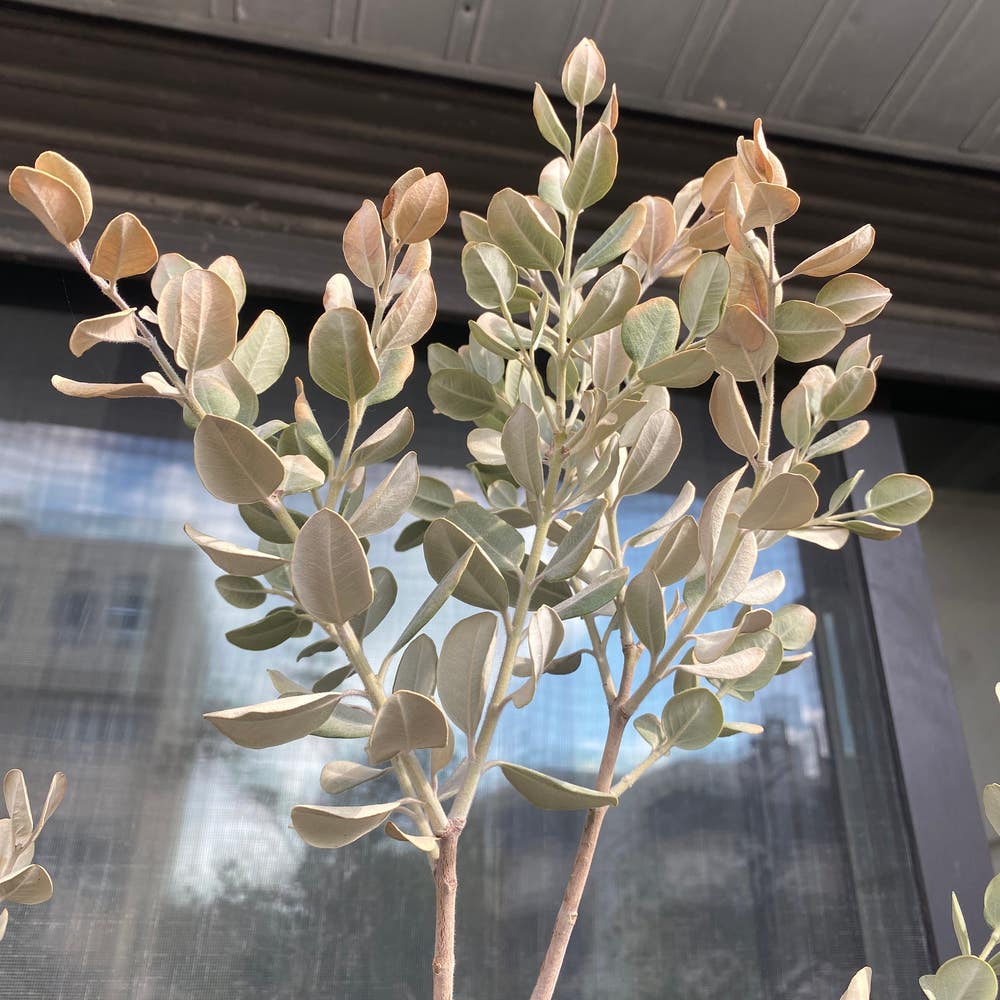
How Often Do I Need to Water My Climbing Rata?
Metrosideros colensoi
By the Greg Editorial Team
Jun 14, 2024•4 min read
This article was created with the help of AI so we can cover more plants for you. May contain errors. See one? Report it here.
- Wilting and dry soil? Time to water your climbing rata.
- Seasons change, so does watering - more in summer, less in winter.
- Use moisture meters to perfect your plant's watering schedule.
When to Water: Timing is Everything
🚰 Recognizing Thirsty Rata Signs
Wilting leaves on your climbing rata are like red flags waving at you—time to water. If the soil feels drier than a stand-up comedian's wit, it's a clear signal your plant is parched. Leaves that droop or curl are telling you they're not just tired; they're thirsty.
🚰 Too Much Love: Overwatering Warnings
Yellowing leaves are the classic sign of overwatering. If your climbing rata's pot feels like it's been hitting the gym—too heavy—it's probably waterlogged. A foul smell from the soil is a distress signal for root rot, and that's a party you want to shut down fast.
Factors That Sway Your Watering Schedule
💧 Seasonal Shifts and Climbing Rata
Seasons aren't just a backdrop for your Instagram plant photos; they're the boss of your watering schedule. In the summer, your climbing rata is as thirsty as a marathon runner, so you'll need to up your watering game. But when winter rolls in, it's more like a bear in hibernation—slow down the water supply.
- Spring and fall: Keep the soil on the moist side, but don't let it get soggy.
- Summer: Crank up the watering frequency to combat evaporation.
- Winter: Ease up. Your rata is dormant and sipping water, not guzzling it.
🏡 Home Sweet Home: Environment and Potting Mix
Your climbing rata's digs—where it hangs out—can make or break its hydration levels. Got a rata chilling in a potted setup? It'll dry out faster than a gossip in a small town, so watch it closely.
- Potting mix: Choose a mix that's like a good party host—welcoming but not clingy. It should retain moisture yet drain well.
- Home environment: A plant by a heater might beg for water, while one in a shady spot is more low-maintenance.
- Pot size: Small pots dry out faster, so they need more frequent watering. It's like the difference between a shot glass and a pitcher.
Remember, your climbing rata's watering needs are as personal as its leaf patterns. Use a moisture meter if you're into gadgets, or go old-school and stick your finger in the soil. When in doubt, observe and adapt—that's the plant parent mantra.
Mastering the Art of Watering Climbing Rata
💧 The Perfect Pour: Watering Techniques
Gentle showers or deep soaks—knowing how to water your climbing rata is crucial. Begin by checking the top inch of soil; if it's dry, it's time to hydrate. Aim to water until it seeps out of the drainage holes, indicating the roots have had their fill. Avoid wetting the leaves to prevent fungal diseases; focus on the soil.
⚖️ The Balancing Act: Soil Moisture and Drainage
Maintaining the right soil moisture is a delicate endeavor. Your climbing rata craves a moist environment, but not one that's waterlogged. Ensure your potting mix is well-draining yet retains enough moisture to support the plant's needs. Overwatering is a common misstep, leading to root rot and a host of other issues. Use a moisture meter for precision, or trust the heft method—lifting the pot to gauge water weight. Remember, a lighter pot signals it's time for a drink.
Keeping Track: Monitoring Your Climbing Rata's Hydration
💧 Setting a Watering Schedule
Creating a flexible watering calendar is crucial for your climbing rata's health. It's not about sticking to specific dates; it's about responding to your plant's unique thirst cues. Start by observing your rata's response to watering and adjust the schedule accordingly. Seasonal changes and growth phases will influence your plant's hydration needs, so remain adaptable.
🛠 Tools of the Trade: Moisture Meters and More
To avoid the guesswork in gauging soil moisture, consider investing in a moisture meter. This handy device provides a direct readout of soil wetness, helping you to water with precision. Additionally, keep an eye on environmental factors like humidity and temperature, which can affect how much water your rata craves. For the tech-savvy, smart devices can monitor and adjust room conditions to maintain that hydration sweet spot. Remember, consistent monitoring and a willingness to adapt are the keys to a thriving climbing rata.
⚠️ Safety First
This content is for general information and may contain errors, omissions, or outdated details. It is not medical, veterinary advice, or an endorsement of therapeutic claims.
Always consult a qualified healthcare professional before using any plant as food, medicine, or supplement.
Never eat any plant (or feed one to pets) without confirming its identity with at least two trusted sources.
If you suspect poisoning, call Poison Control (800) 222-1222, the Pet Poison Helpline (800) 213-6680, or your local emergency service immediately.
Spotted an error? Please report it here.
By tuning into your climbing rata's needs and adapting to the seasons, you'll master the art of moisture balance, and with Greg's guidance 🌱, effortlessly maintain the perfect watering rhythm.