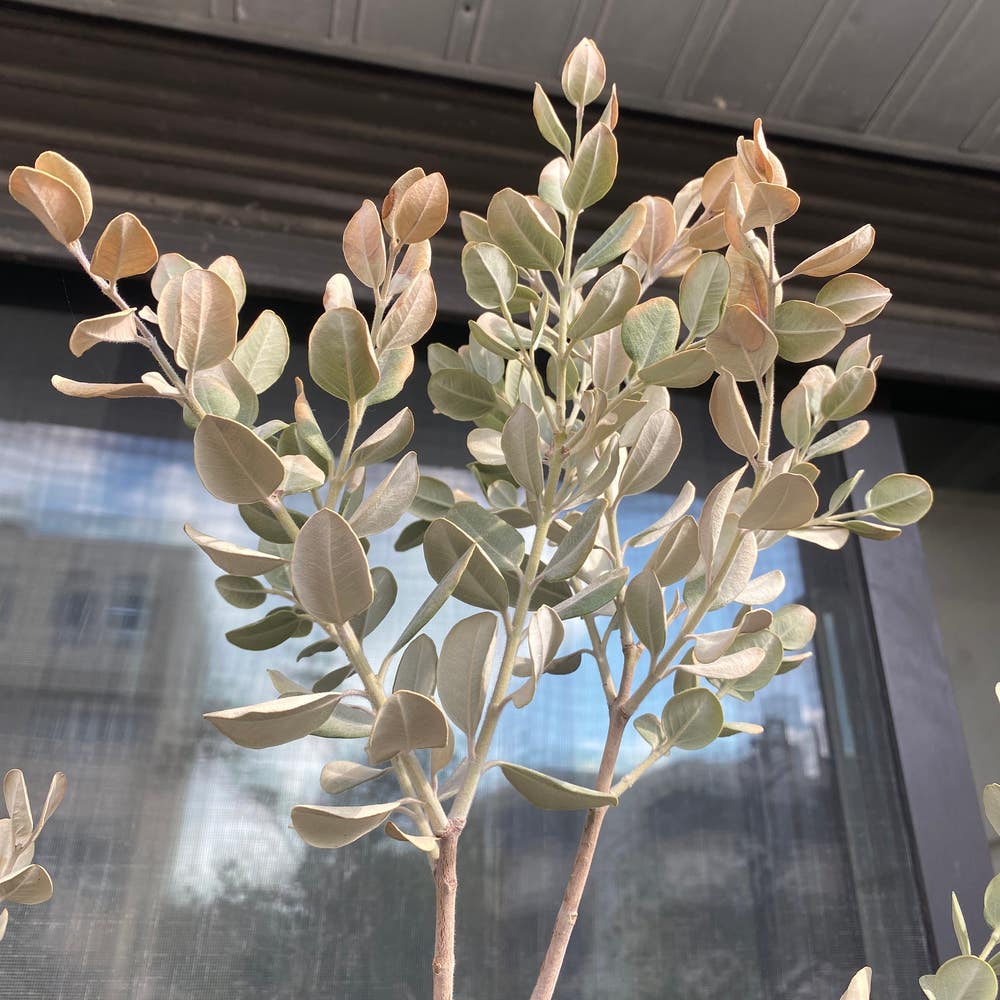
🐛 What To Do About Bugs on My Climbing Rata?
Metrosideros colensoi
By the Greg Editorial Team
Jun 14, 2024•4 min read
This article was created with the help of AI so we can cover more plants for you. May contain errors. See one? Report it here.
- Combat spider mites and thrips with neem oil, humidity, and sticky traps.
- Alcohol swabs and soapy showers fend off scale and mealybugs.
- Integrated Pest Management (IPM) combines cultural, biological, and chemical tactics.
Meet the Culprits: Common Climbing Rata Pests
🕷️ Spider Mites: The Sneaky Sap-Suckers
Webbing and speckled leaves are the scarlet letters of spider mite infestations. To combat these pests, humidity is your secret weapon; they can't stand a good misting. If they've overstayed their welcome, neem oil or insecticidal soap can show them the door—just be sure to spot-test first.
🦠 Scale: The Sticky Freeloaders
If you spot raised bumps on your Climbing Rata, you've likely got scale. These freeloaders leave a sticky mess, but they're no match for a rubbing alcohol-soaked swab. For a hands-off approach, insecticidal soap or horticultural oil can help show these pests out.
🦟 Fungus Gnats and Fruit Flies: The Soil Snoopers
Tiny fliers near your Climbing Rata's soil are a dead giveaway for fungus gnats or fruit flies. To curb their enthusiasm, let the soil dry out between waterings. Yellow sticky traps are like flypaper for these pests, and a layer of sand can keep their larvae from seeing the light of day.
🐛 Mealybugs: The Fluffy Vandals
Mealybugs leave a white cottony mess where they feast. If you find these fluffy vandals, dab them with alcohol swabs or give them a soapy shower. Remember, they're like uninvited guests at a party—persistent, but not invincible.
Lesser-Known Invaders of Climbing Rata
🐜 Thrips, Aphids, and Whiteflies: A Quick Guide
🕵️ Spotting These Stealthy Pests
Thrips are the ninjas of the plant pest world, often going unnoticed with their silvery streaks and speckled leaves. They're tiny, elongated, and come in shades from yellow to black. Aphids prefer to throw a party on new growth, appearing as clusters of tiny, pear-shaped insects. They're the sticky gossipers, leaving a trail of honeydew that leads to sooty mold. Whiteflies, the ghosts of the garden, haunt the undersides of leaves, rising in a cloud when disturbed.
🎯 Targeted Tactics for a Bug-Free Rata
For thrips, shake a leaf over white paper; if tiny black spots scatter, it's battle stations. Sticky traps and sprays of neem oil or insecticidal soap can be effective. Aphids detest a strong water jet or a dab of rubbing alcohol. Whiteflies succumb to insecticides like Koinor or the introduction of natural predators. Consistency is your shield; regular checks and clean environments are the backbone of defense. Introduce ladybugs for a more organic approach and keep an eye out for the telltale signs of each pest to maintain a bug-free Climbing Rata.
Integrated Pest Management: A Holistic Approach
Integrated Pest Management (IPM) is the strategic combination of methods that aim to control pests while minimizing environmental impact. It's a smart, multi-layered defense system for your Climbing Rata.
🌱 Cultural Controls
Prevention is the cornerstone of IPM. By maintaining a clean and orderly garden, you're essentially throwing a party and not inviting pests. Rotate your plants, keep them clean, and avoid overwatering to create an inhospitable environment for bugs.
🐞 Biological Controls
Encourage natural predators to your garden. Beneficial insects are like your own personal army against pests. Planting cover crops or companion plants can attract these allies, reducing the need for chemical warfare.
🧪 Chemical Controls
When it's time to bring out the big guns, choose wisely. Opt for targeted, eco-friendly pesticides and apply them with precision. Remember, chemicals are the last line of defense—use them sparingly and responsibly.
🚫 Creating an Unwelcoming Environment
Modify your garden practices to make life tough for pests. Remove clutter and debris, and consider using resistant plant varieties. It's about creating a no-bug zone without causing collateral damage to the ecosystem.
Regular inspections are crucial. Think of them as routine health check-ups for your plants. Early detection of pests can prevent a minor issue from becoming an all-out invasion. Keep an eye out for signs like unusual leaf discoloration or stunted growth.
Remember, IPM isn't a one-size-fits-all solution; it's a customized defense strategy tailored to your Climbing Rata's needs. It's about working smarter, not harder, to keep pests at bay.
⚠️ Safety First
This content is for general information and may contain errors, omissions, or outdated details. It is not medical, veterinary advice, or an endorsement of therapeutic claims.
Always consult a qualified healthcare professional before using any plant as food, medicine, or supplement.
Never eat any plant (or feed one to pets) without confirming its identity with at least two trusted sources.
If you suspect poisoning, call Poison Control (800) 222-1222, the Pet Poison Helpline (800) 213-6680, or your local emergency service immediately.
Spotted an error? Please report it here.
Eradicate pests from your Climbing Rata with ease by following IPM tips and Greg's 🐞 tailored reminders for a healthy, vibrant plant.