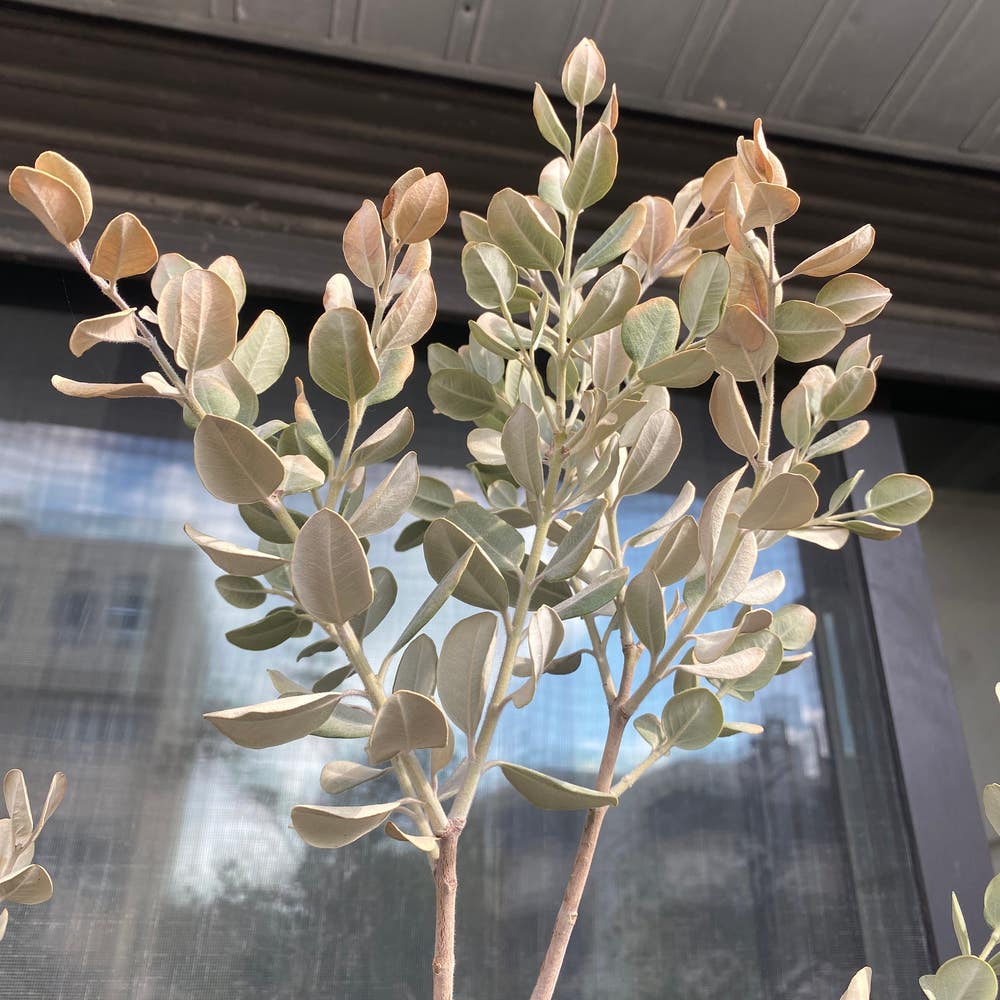
Why Are My Climbing Rata Leaves Falling Over?
Metrosideros colensoi
By the Greg Editorial Team
Jun 14, 2024•5 min read
This article was created with the help of AI so we can cover more plants for you. May contain errors. See one? Report it here.
- Droopy leaves signal distress; look for yellowing, black spots, or halos.
- Overwatering and low light can cause leaves to fall over; adjust care.
- Inspect for pests and diseases regularly to maintain Climbing Rata health.
Spotting the Signs: When Your Climbing Rata is in Distress
Identifying droopy leaves and other red flags can be a bit like playing Sherlock with your shrubbery. Let's get to the root of the issue.
🍂 Droopy Leaves: The Telltale Trouble
Droopy leaves are the plant's white flag of surrender. Look for leaves that seem to have lost their will to stand tall. They might appear softer, less vibrant, and hang down as if the plant's very spirit is wilting.
🚩 Other Red Flags: More Than Just Droop
But it's not just about the droop. Yellowing leaves, especially the newer ones, are like flashing neon signs pointing to a problem. Black spots or yellow halos? That's your Climbing Rata spelling out "S.O.S." in plant language.
🌱 Whole Plant or Just the Leaves?: Quick Self-Diagnosis
Is it just a few sad leaves, or is the whole plant looking like it's had better days? Check the stems; if they're mushy or discolored, you've got a systemic issue. Firm but droopy leaves might just be a cry for water or a plea for better light.
🔄 Consistency is Key: Spot the Changes
Any sudden shift in your plant's appearance should set off your internal alarms. Consistency in plant health is like a steady heartbeat—any irregularity is a sign to take a closer look.
🛡️ Proactive Care: Don't Wait for the Wilt
Remember, catching these signs early is the difference between a quick fix and a plant obituary. Regular check-ups are the plant care equivalent of eating your veggies—do it often, and you'll avoid a lot of trouble down the road.
Troubleshooting the Tumble: Pinpointing the Culprits
💧 Too Much H2O? The Overwatering Effect
Overwatering is like throwing a pool party for your Climbing Rata's roots—fun for a bit, but ultimately disastrous. Soggy soil is a one-way ticket to root rot, and your plant's leaves will be the first to bail.
The Root of the Problem
Roots need to breathe, and drenched soil suffocates them. If the leaves are more limp than a forgotten salad, it's time to reassess your watering habits.
The Fix: Balancing Your Watering Routine
- Drainage is key. Ensure your pot's got holes.
- Go for well-draining soil. Add perlite or sand to keep things airy.
- Let the soil's top inch dry out before watering again. It's about moderation, not extremes.
💡 Light Levels: Finding the Sweet Spot
Low light makes Climbing Rata leaves droopier than a teenager asked to do chores. They need that goldilocks zone of light—just right.
The Droop from the Dark
If your plant's stretching out like it's trying to snag the remote from across the room, it's craving more light.
The Fix: Lighting the Way to Perkier Plants
- Find a spot with bright, indirect light. Direct sunlight is a no-go—it's the equivalent of a sunburn waiting to happen.
- Rotate the pot regularly. Consistency is key, so give each side its time in the spotlight.
🍽️ The Nutrient Necessities: Feeding for Strength
Nutrient deficiency in Climbing Rata is like a diet of only fast food—eventually, the lack of good stuff shows.
Starved of Essentials
Yellowing leaves? Slow growth? It's like your plant's sending an SOS for nutrients.
The Fix: Tailoring Your Fertilization Strategy
- A balanced fertilizer is your best friend. Look for an even NPK ratio, something like a 10-10-10.
- Soil tests aren't just for farmers. They're your cheat sheet to what your plant is missing.
- Remember, overfeeding is just as bad as underfeeding. It's a buffet, not an all-you-can-eat contest.
The Bug Battle: Pests and Diseases That Pull Your Plant Down
🐛 Unwanted Guests: Identifying Pests and Pathogens
Your Climbing Rata could be under siege by pests like spider mites, mealybugs, or scale insects. Sticky residue or fine webbing? You've got bugs. Fungal diseases also love to crash the party, leaving discolored spots or powdery coatings. Vigilance is key—regular checks will help you spot these freeloaders early.
🛡️ The Defense Plan: Protecting Your Climbing Rata
Act fast to evict these pests. Insecticidal soap or neem oil can be your first line of defense against the tiny terrors. For fungal foes, remove affected areas promptly. If things are dire, consider fungicides, but only as a last resort. Remember, prevention beats cure—quarantine new plants, keep your tools clean, and embrace beneficial insects like ladybugs. These natural allies are worth their weight in gold.
Keeping Your Climbing Rata on the Up and Up
To maintain your Climbing Rata's vigor, regular inspection is crucial. Check for pests, prune to promote growth, and adjust care with the seasons.
🛡️ Summarizing Preventative Steps
- Monitor watering: Ensure it's just right, not too much or too little.
- Prune regularly: Encourage bushier growth and remove any yellow or dead foliage.
- Clean leaves: Dust-free leaves are less prone to pests and diseases.
- Rotate your plant: This promotes even growth and prevents lopsidedness.
- Adjust with seasons: Less water in winter, more shade in summer.
👩🌾 Encouraging Ongoing Care
- Stay vigilant: Keep an eye out for early signs of trouble.
- Create a routine: Consistency in care leads to a thriving plant.
- Embrace change: Be ready to tweak your care strategy as your Climbing Rata grows.
- Keep tools sharp: Clean cuts during pruning prevent damage.
- Record observations: Tracking changes helps tailor care to your plant's needs.
Remember, a little attention goes a long way. Your Climbing Rata doesn't need a helicopter plant parent, just a stable environment and a caretaker who's clued in.
⚠️ Safety First
This content is for general information and may contain errors, omissions, or outdated details. It is not medical, veterinary advice, or an endorsement of therapeutic claims.
Always consult a qualified healthcare professional before using any plant as food, medicine, or supplement.
Never eat any plant (or feed one to pets) without confirming its identity with at least two trusted sources.
If you suspect poisoning, call Poison Control (800) 222-1222, the Pet Poison Helpline (800) 213-6680, or your local emergency service immediately.
Spotted an error? Please report it here.
Keep your Climbing Rata's leaves standing tall 🌱 by using Greg to monitor and adjust care, preventing distress signals before they start.