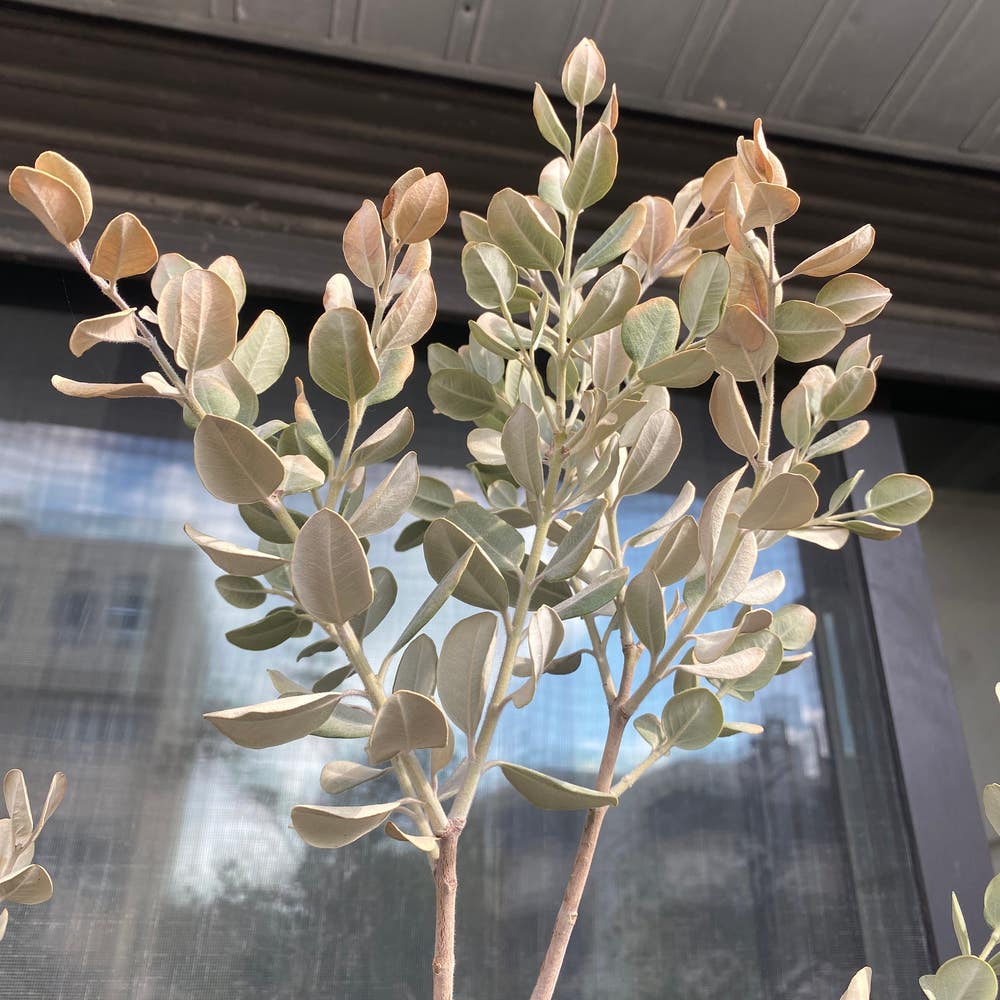
How Should Climbing Rata Be Cut Back?
Metrosideros colensoi
By the Greg Editorial Team
Jun 14, 2024•4 min read
This article was created with the help of AI so we can cover more plants for you. May contain errors. See one? Report it here.
- Post-bloom pruning encourages new growth and vibrant blooms.
- Sharp tools and selective cuts maintain health and structure.
- Balance vigor and flowering for a show-stopping Climbing Rata.
Timing Your Pruning Perfectly
🌸 After the Bloom: The Best Time to Prune
Post-flowering is the golden hour for pruning Climbing Rata. This period allows the plant to redirect energy from sustaining old blooms to fostering new growth. It's a bit like giving your plant a second wind after its grand performance.
Weather-wise, aim for a mild day. Extreme heat or cold can stress the plant, so a temperate climate is your friend here. Consider the local seasonal patterns; late spring to early summer usually hits the sweet spot.
🌿 Signs It's Time to Prune
Overgrowth is the most obvious signal that your Climbing Rata is in need of a trim. Look for branches that are encroaching on other plants or structures, as well as any that are crossing or rubbing against each other.
Yellowing leaves or a general look of fatigue in your plant can also indicate it's time to get out the shears. It's the plant's way of saying, "I could use a little help here." Keep an eye out for these visual cues to maintain your Climbing Rata's vigor and appearance.
Getting Down to Business: Pruning Techniques
🛠️ Choosing Your Tools
Sharpness is key when selecting pruning tools. For Climbing Rata, you'll need a reliable pair of hand pruners for most cuts. Loppers come in handy for thicker branches, offering extra leverage. And for the real tough guys, a pruning saw makes short work of them. Always ensure your tools are clean to prevent disease spread.
🌿 The Art of Selective Pruning
Selective pruning isn't just snipping willy-nilly. Look for dead, damaged, or diseased branches as your first targets. Make your cuts near the branch collar but don't get too close—respect the plant's boundaries. This technique maintains the plant's natural defenses against pests and decay.
🌱 Controlling the Climb: Managing Overgrowth
Climbing Rata can get a bit overzealous in its ascent. To keep it in check, identify the main stems you want to preserve for structure. Then, thin out the rest, especially areas that are dense and congested. This not only tames the beast but also improves airflow, which is crucial for the plant's health. Remember, it's about balance—you're pruning for health, not deforestation.
Flower Power: Pruning for Show-Stopping Blooms
💇♀️ Stimulating New Growth
Pruning isn't just a trim; it's a strategic nudge. By removing overgrown or dead branches, you're essentially telling your Climbing Rata, "Hey, focus on the good stuff." This means more energy goes into pushing out fresh shoots and buds. It's like clearing the stage for the main event: a floral extravaganza.
⚖️ Balancing Act: Vigor vs. Flowering
Finding the sweet spot between a lush, green beast and a blooming beauty is key. Over-pruning can leave your plant in a vegetative funk, while under-pruning might lead to a leafy jungle with few flowers. Aim to cut back just enough to stimulate growth without sending the plant into shock. Remember, it's about quality, not quantity. A well-pruned Climbing Rata is a blooming marvel.
Pruning for the Long Haul: Health and Longevity
💨 Airflow and Disease Prevention
Pruning isn't just a snip here and there; it's essential for your Climbing Rata's respiratory health. Think of it as giving your plant room to breathe, reducing the risk of fungal and bacterial diseases that thrive in stagnant, humid conditions.
🏗 Building a Strong Framework
Strategic cuts are the secret to a Climbing Rata that stands the test of time. You're not just cutting branches; you're sculpting a plant with a sturdy skeleton. This means removing weak links—those spindly, crossing, or dead branches—to encourage growth where it counts.
By fostering a robust structure, you're setting up your Climbing Rata for a future of lush, vibrant growth. It's about playing the long game, ensuring your plant doesn't just survive but thrives.
⚠️ Safety First
This content is for general information and may contain errors, omissions, or outdated details. It is not medical, veterinary advice, or an endorsement of therapeutic claims.
Always consult a qualified healthcare professional before using any plant as food, medicine, or supplement.
Never eat any plant (or feed one to pets) without confirming its identity with at least two trusted sources.
If you suspect poisoning, call Poison Control (800) 222-1222, the Pet Poison Helpline (800) 213-6680, or your local emergency service immediately.
Spotted an error? Please report it here.
Trim your Climbing Rata for robust growth 🌱 with Greg's tailored pruning reminders, aligning your cuts with the plant's natural bloom cycle for vitality and beauty.