What Do I Do About Climbing Rata Root Rot?
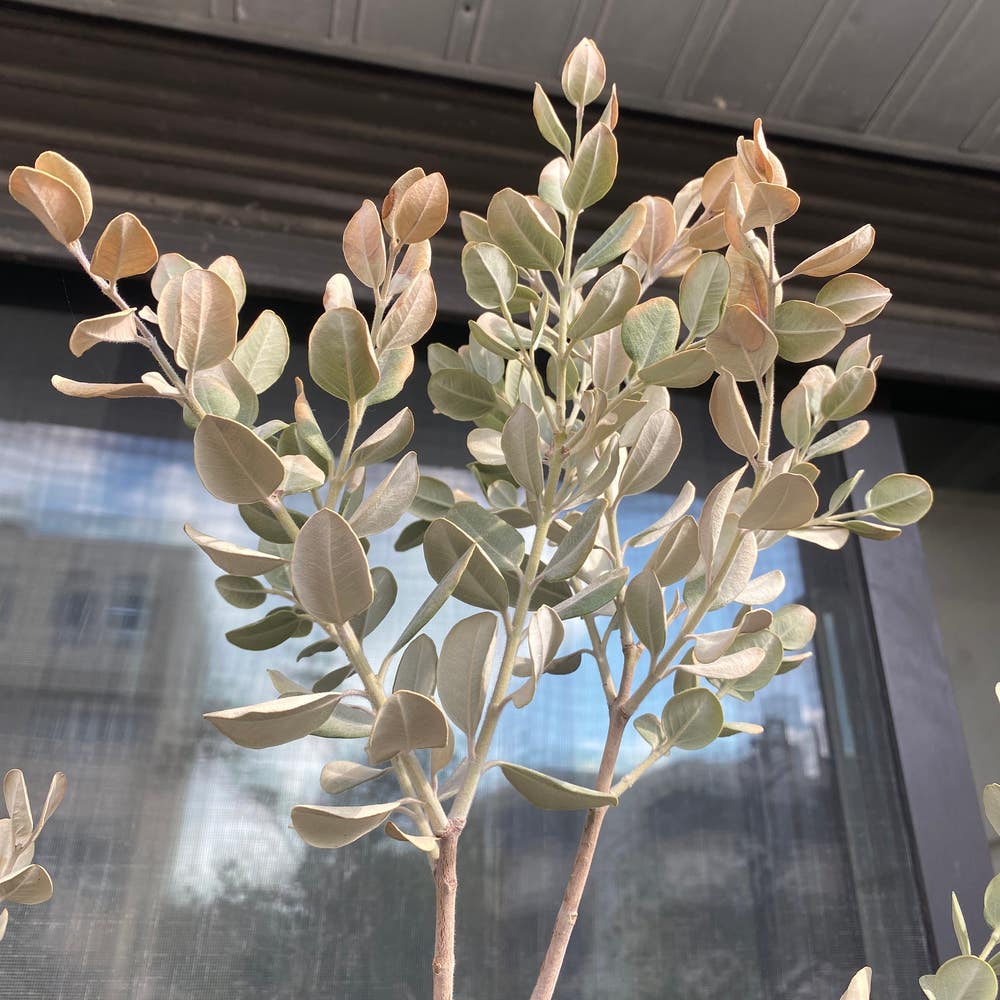
Metrosideros colensoi
By the Greg Editorial Team
Jun 14, 2024•4 min read
This article was created with the help of AI so we can cover more plants for you. May contain errors. See one? Report it here.
- 🍂 Yellow leaves and wilting signal early root rot in Climbing Rata.
- 🧪 Use targeted fungicides for Phytophthora cinnamomi and apply carefully.
- 💧 Adjust watering and soil to prevent overwatering and enhance drainage.
Spotting the Red Flags: Identifying Root Rot in Climbing Rata
🚩 Visual Symptoms to Watch For
Yellowing leaves and wilting are the first warnings that your Climbing Rata might be in distress. Stunted growth is another tell-tale sign that shouldn't be ignored. If your plant's performance is more underwhelming than a deflated balloon at a party, it's time to investigate.
Root discoloration is a definitive red flag. Healthy roots are typically white and firm, while roots affected by rot may appear brown or black and feel mushy to the touch.
🔍 Confirming the Diagnosis
To confirm root rot, you'll need to play plant detective. Start by inspecting the roots and soil. If the roots crumble with a gentle tug, or if the soil smells like it's fermenting, these are clear indicators of root rot.
A sniff test can be surprisingly revealing. A foul odor emanating from the soil is a distress signal you can't afford to ignore. It's the olfactory equivalent of a smoke alarm for plant health.
Remember, healthy roots should be firm and white, not soft, discolored, or resembling overcooked noodles. If you're seeing these symptoms, it's time to take action against root rot.
Taking Action: Effective Treatments for Climbing Rata Root Rot
🌿 Choosing the Right Fungicide
Selecting the appropriate fungicide is a critical step in combating Climbing Rata root rot. Look for products specifically targeting Phytophthora cinnamomi, the usual suspect in such cases. Tebuconazole and triticonazole are among the heavy hitters that can halt the disease's spread.
💦 Application Tips
Apply fungicides with precision; it's not a slapdash affair. Systemic fungicides, which work from the inside out, are particularly effective. Follow the label's instructions to the letter, ensuring thorough coverage of the affected area without overdoing it. Remember, rotation is key to prevent resistance—keep those pathogens guessing.
🌱 Improving Soil and Drainage
🌿 Soil Amendments
Enhancing drainage is non-negotiable for root recovery. Incorporate soil amendments like perlite or sand to improve soil structure and reduce moisture retention. This creates an environment less hospitable to root rot pathogens.
💧 Irrigation Adjustments
Adjust your watering habits. Overwatering is a no-go; it's like throwing a pool party for fungi. Instead, tailor your irrigation practices to the needs of your Climbing Rata, ensuring the soil has time to dry out between waterings. Consider raised beds or tile drains if you're dealing with persistent soggy conditions.
Keeping Root Rot at Bay: Prevention Strategies
💧 Watering Wisely
Consistency is your sidekick in the battle against root rot. Establish a watering schedule that respects the plant's personal space—let the top inch of soil dry out before you bring the watering can. A moisture meter isn't overkill; it's your secret weapon for hitting that sweet spot between parched and swampy.
🌱 Soil and Environmental Management
Choosing the right soil mix is like picking the perfect mattress; it needs to support while letting the roots breathe. A pot with drainage holes isn't a luxury; it's a necessity. If you're feeling crafty, throw in some perlite or sand to keep things loose and airy. Keep an eye on the environmental factors too—like that one friend who always knows the room's vibe, your plant relies on you to read its surroundings.
When to Call in the Pros: Seeking Professional Help
🚨 Recognizing the Limits of Home Care
Sometimes, home remedies just don't cut it. If you've tried every trick in the book—from adjusting watering schedules to repotting—and your Climbing Rata's roots are still rotting away, it's time to call in reinforcements.
🚑 The Telltale Signs That Demand Expert Attention
Severe symptoms like widespread leaf loss or a root system that crumbles to the touch are clear distress signals. When your plant's health is nosediving despite your interventions, professional help is not just an option; it's a necessity.
🌿 Consulting with Plant Health Specialists
Don't gamble with your plant's life. Reach out to a local horticulturist, plant pathologist, or your county's agricultural extension service. These pros can offer a precise diagnosis and a tailored treatment plan.
💰 The Value of Professional Expertise
Sure, there might be a fee, but think of it as an investment in your Climbing Rata's future. Expert advice can mean the difference between a thriving plant and a compost pile candidate.
📸 Preparing for the Consultation
Before you reach out for help, arm yourself with evidence. Snap photos, jot down symptoms, and track changes. This info is crucial for specialists—it's like giving a detective the clues they need to crack the case.
😌 The Peace of Mind Factor
Yes, calling in the pros might cost a few greenbacks, but consider it an investment in your plant's longevity. There's undeniable peace of mind that comes with knowing a pro is on the case, so you can stop Googling "plant pandemics" at 2 a.m.
⚠️ Safety First
This content is for general information and may contain errors, omissions, or outdated details. It is not medical, veterinary advice, or an endorsement of therapeutic claims.
Always consult a qualified healthcare professional before using any plant as food, medicine, or supplement.
Never eat any plant (or feed one to pets) without confirming its identity with at least two trusted sources.
If you suspect poisoning, call Poison Control (800) 222-1222, the Pet Poison Helpline (800) 213-6680, or your local emergency service immediately.
Spotted an error? Please report it here.
Prevent Climbing Rata root rot by recognizing early warnings and enhancing care 🌱 with Greg's custom watering reminders and access to expert advice for healthy growth.