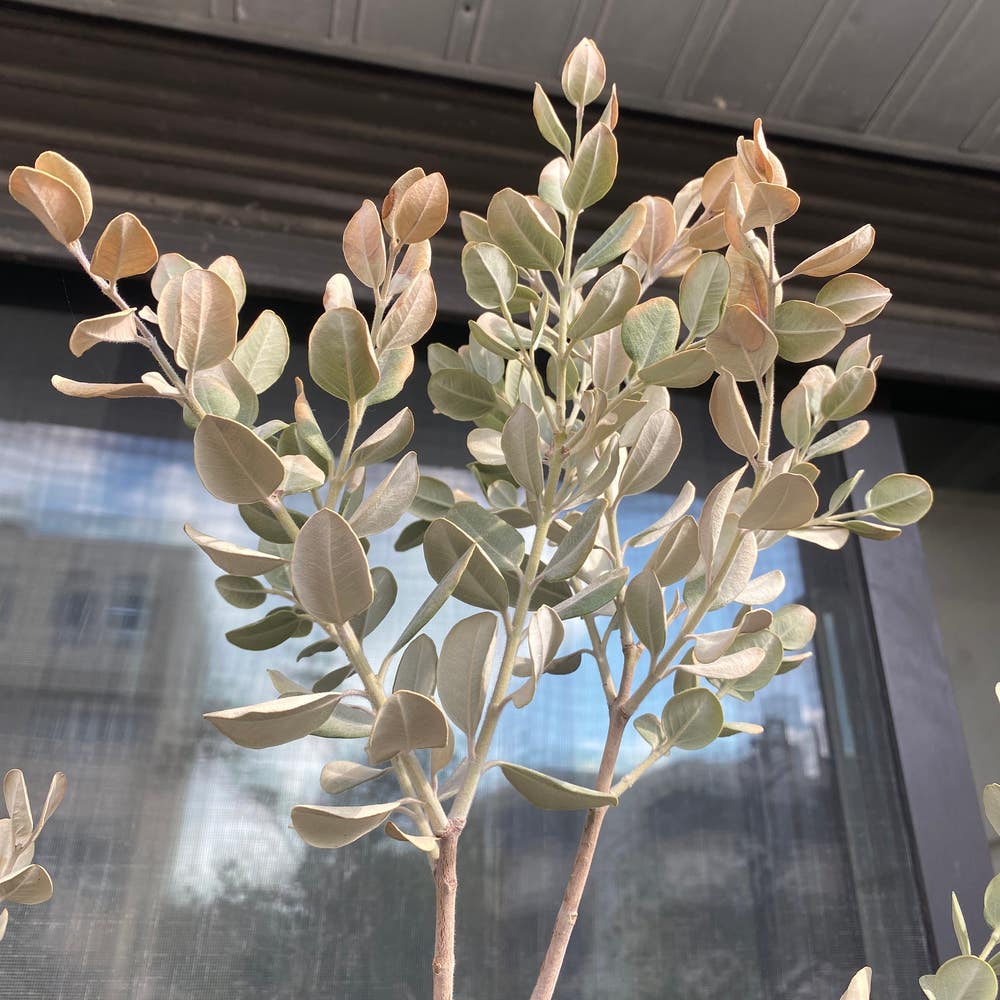
Why Are My Climbing Rata Leaves Droopy? 💧
Metrosideros colensoi
By the Greg Editorial Team
Jun 14, 2024•5 min read
This article was created with the help of AI so we can cover more plants for you. May contain errors. See one? Report it here.
- 💧 Balance watering and ensure good drainage to prevent droopy leaves.
- ☀️🌱 Adjust light levels with shading or grow lights as needed.
- 🐛 Inspect and feed regularly to combat pests and nutrient deficiencies.
Water Woes: Over, Under, and Poor Drainage
💧 Overwatering and Underwatering
Limp leaves are a cry for help, signaling you've either drowned your Climbing Rata or left it parched. When the soil clings to your fingers like a needy pet, it's too wet. Conversely, if the earth crumbles like a stale cookie, your plant's thirsting for moisture.
To achieve a balanced watering routine, ditch the rigid schedule. Instead, probe the soil's top inch; if it's dry, it's time to water. If the pot feels like a weighty burden, skip the watering can and let the soil breathe.
🚰 Drainage Drama
Good drainage is the lifeline your Climbing Rata didn't know it needed. Ensure your pot has enough holes to rival a piece of Swiss cheese. If you're dealing with soggy soil, it's time for a quick fix.
Mix in some perlite or sand to help water flow through like a well-organized traffic system. If you spot root rot, it's surgery time—trim the damaged parts and repot with fresh, well-draining soil. Remember, roots need to sip, not swim.
Light and Leaves: Finding the Sweet Spot
🌞 Too Much Sun
Sunburn in Climbing Rata manifests as brown, crispy spots on the foliage, particularly in areas that receive direct sunlight. If your plant is sporting these unsightly blemishes, it's time to relocate it to a spot with less intense, filtered light.
🏖 Shading Strategies
To prevent droop caused by excessive sun, consider using sheer curtains or a shade cloth to diffuse the light. Positioning your Climbing Rata in a place that receives gentle morning or late afternoon sun can also protect it from the harsh midday rays.
🌥 Not Enough Light
A light-starved Climbing Rata may exhibit leggy stems and lackluster growth. Leaves may droop as if they've lost their will to stand tall, indicating a desperate need for more light.
💡 Bright Ideas
Boosting light levels can be as simple as moving your plant closer to a window or employing grow lights when natural light is insufficient. Ensure the light is bright yet indirect to mimic the plant's ideal conditions. Rotate your Climbing Rata periodically to promote even growth and prevent leaning.
Feeding Finesse: Nutrients for Non-Droopy Leaves
💡 Spotting Nutrient Starvation
Yellowing leaves or stunted growth? These are distress signals from your Climbing Rata, hinting at possible nutrient starvation. Regular check-ups are crucial to catch these symptoms early and prevent a full-blown case of the droops.
🍽️ The Best Nutrients to Perk Up Those Leaves
A balanced diet for your Climbing Rata includes nitrogen, phosphorus, and potassium—the plant equivalent of a well-rounded meal. Don't overlook micronutrients; a sprinkle of iron or manganese can make all the difference for vibrant growth.
🌱 Fertilizing Fundamentals
Feed your Climbing Rata with a light hand; overfeeding can be as detrimental as neglect. Opt for a slow-release fertilizer to provide consistent nutrition without overwhelming your plant. Remember, it's a marathon, not a sprint to green glory.
🍃 The Role of Micronutrients in Leaf Health
Micronutrients are the plant world's secret sauce. Signs like interveinal chlorosis or leaf spotting might indicate a need for a micronutrient boost. Keep a keen eye on your Climbing Rata's feedback—it's the best guide for fine-tuning your fertilizing regimen.
Bug Battles and Disease Defenses
🐛 Common Culprits
Pests and diseases can turn your Climbing Rata's leaves from firm and upright to droopy and sad. Spider mites, scale insects, and mealybugs are the usual suspects, launching covert operations that leave your plant looking defeated. Fungus gnats might join the fray, especially if you're generous with watering.
Regular inspections are your first line of defense. Check under leaves and along stems; pests love those hidden spots. Look for telltale signs like sticky residue (thanks, aphids), fine webs (courtesy of spider mites), or tiny cotton-like specks (hello, mealybugs). Catching these freeloaders early can save your plant from a world of droop.
🛡️ Winning the War
Once you've identified the invaders, it's time to fight back. Natural predators like ladybugs are your allies, munching on pests like they're at an all-you-can-eat buffet. A strong water jet can dislodge the less tenacious bugs, sending them down the drain of defeat.
If the infestation calls for heavier artillery, reach for insecticidal soap or neem oil. These are the equivalent of a targeted strike, effective yet safe for your plant and the environment. Apply with precision, following safety guidelines to avoid collateral damage.
Prevention is your strategy for lasting peace. Keep your Climbing Rata strong with proper care—healthy plants are less tempting targets for pests and diseases. Ensure good hygiene and avoid overwatering; soggy soil is a neon sign for a pest party. Remember, a vigilant gardener is the best defense against the droop.
Revival Roadmap: Turning Droopy to Perky
Droopy leaves can be a real downer, but with the right steps, your Climbing Rata can bounce back. Here's how to diagnose and fix the droop, plus keep those leaves perky long-term.
🌱 Step-by-Step Guide to Diagnosing and Fixing Droopy Leaves
- Assess the soil moisture: Too soggy or bone-dry? Adjust your watering accordingly.
- Inspect for pests: Unwanted guests? Show them the door with safe pest control.
- Evaluate light exposure: Too much sun or not enough? Find the sweet spot.
- Check for nutrient deficiencies: A balanced diet keeps leaves perky.
- Monitor temperature consistency: Avoid drafts and sudden changes.
- Prune when necessary: But only during the plant's growing season.
💚 Long-Term Care Tips
- Routine Inspections: Catch issues early to avoid major plant drama.
- Care Diary: Track what works. It's not extra; it's essential.
- Consistent Environment: Think plant spa—stable and predictable.
- Regular Feeding: Only during the growing season for that plant power-up.
- Rotate Your Plant: Even growth means even perkiness.
Remember, it's not just about fixing the droop—it's about preventing it. Keep an eye on your Climbing Rata's response to these changes; it's the best indicator of whether you've nailed the care routine or need to keep tweaking.
⚠️ Safety First
This content is for general information and may contain errors, omissions, or outdated details. It is not medical, veterinary advice, or an endorsement of therapeutic claims.
Always consult a qualified healthcare professional before using any plant as food, medicine, or supplement.
Never eat any plant (or feed one to pets) without confirming its identity with at least two trusted sources.
If you suspect poisoning, call Poison Control (800) 222-1222, the Pet Poison Helpline (800) 213-6680, or your local emergency service immediately.
Spotted an error? Please report it here.
Ensure your climbing Rata's leaves stay upright and vibrant 🍃 by using Greg to monitor moisture, light, and pests, keeping your leafy friends in tip-top shape!