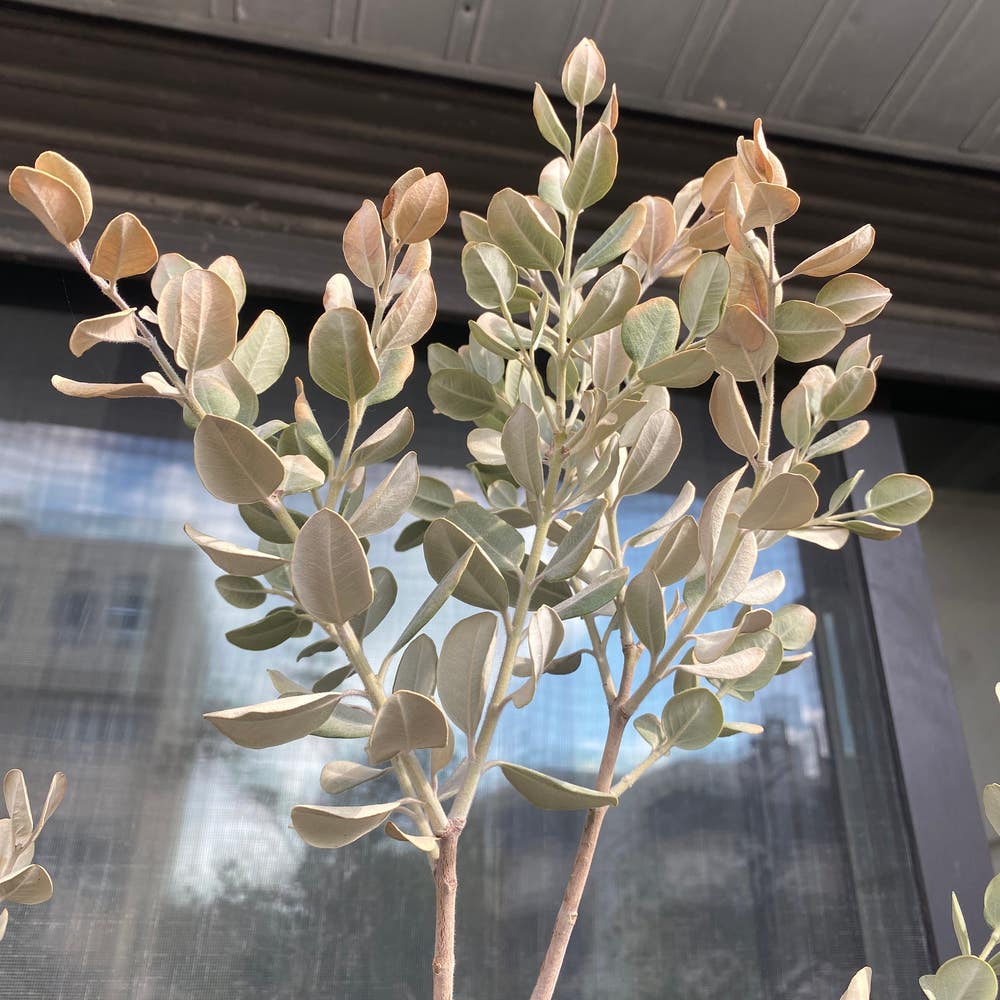
💧 How Much Humidity Does My Climbing Rata Need?
Metrosideros colensoi
By the Greg Editorial Team
Jun 14, 2024•3 min read
This article was created with the help of AI so we can cover more plants for you. May contain errors. See one? Report it here.
- Moderate to high humidity is ideal for Climbing Rata.
- 🍂 Yellow leaves or mold? Adjust your plant's moisture levels.
- 🌬️ Use hygrometers, humidifiers, or fans for perfect humidity control.
Climbing Rata's Humidity Preferences
🌿 What's the Sweet Spot?
Climbing Rata plants bask in moderate to high humidity. They don't need a precise humidity percentage but rather a range where they can flourish. This is their comfort zone, where they can grow without any fuss.
🚨 Signs of Humidity Distress
Yellowing leaves or stunted growth? That's your Climbing Rata crying out for more moisture. On the flip side, rot or mold signals an urgent need to dial down the dampness. Keep an eye out for these symptoms to maintain your plant's happy humidity level.
Measuring and Adjusting Humidity for Climbing Rata
🌡️ Tools of the Trade
Hygrometers are your Climbing Rata's backstage crew, silently ensuring the show goes on without a hitch. These gadgets are like personal weather stations, giving you real-time humidity readings. Just remember: no sunbathing or drafty back alleys for these devices; they prefer the shade to give you the truth, the whole truth, and nothing but the truth.
🛠️ Quick Fixes for Humidity Control
If your Climbing Rata is throwing a fit due to low humidity, misting could be the equivalent of a soothing lullaby. But don't overdo it; we're not looking for a rainforest. On the flip side, if you're wading through a swamp, crack a window or let a fan dance around the room to bring that moisture level down to a slow jam.
Boosting Humidity for Your Climbing Rata
💦 DIY Humidity Hacks
Creating the ideal humidity for your Climbing Rata doesn't have to be a high-budget production. Pebble trays are the unsung heroes of the humidity world. Simply fill a tray with stones, pour in some water, and set your plant on top. As the water evaporates, it's a natural moisture party for your green buddy.
Grouping plants together is like creating a microclimate club for your leafy friends. They transpire and share moisture, making everyone happier. Just be sure not to crowd them—personal space matters, even for plants.
Misting can be a quick spritz of joy for your Climbing Rata, but it's not a long-term solution. Think of it as hydration happy hour, not a full-course meal. Use distilled water to avoid leaving mineral deposits on the leaves.
🌬️ Tech to the Rescue
When the DIY methods are just not cutting it, it's time to consider a humidifier. This gadget is like a personal rain cloud for your Climbing Rata, minus any chance of a downpour. Choose one that's quiet and easy on the eyes, because let's face it, nobody wants an eyesore in their plant sanctuary.
Remember to keep the humidifier at a safe distance from your plant. You're going for a gentle rainforest vibe, not a tropical storm. Too close, and you risk mold or mildew; too far, and it's like winking in the dark—effective, but nobody notices.
Reducing Excess Moisture
💨 Airflow and Your Plant
Air circulation is crucial for Climbing Rata when battling excess humidity. A stagnant environment is a playground for mold and fungal issues. Oscillating fans or a gentle breeze from an open window can prevent moisture from becoming a party crasher in your plant's life.
🌬️ When to Dehumidify
Sometimes, a fan just doesn't cut it. If your Climbing Rata's leaves feel like they're swimming in moisture, it's time to bring in the big guns: a dehumidifier. This device is like a superhero for your air, sucking out unwanted dampness with gusto. Use it when the air feels as thick as pea soup, and your plant starts to look more like a wilted salad than a vibrant climber.
⚠️ Safety First
This content is for general information and may contain errors, omissions, or outdated details. It is not medical, veterinary advice, or an endorsement of therapeutic claims.
Always consult a qualified healthcare professional before using any plant as food, medicine, or supplement.
Never eat any plant (or feed one to pets) without confirming its identity with at least two trusted sources.
If you suspect poisoning, call Poison Control (800) 222-1222, the Pet Poison Helpline (800) 213-6680, or your local emergency service immediately.
Spotted an error? Please report it here.
Keep your Climbing Rata in peak condition 🌿 with Greg's personalized humidity reminders, ensuring it never dries out or drowns in excess moisture.