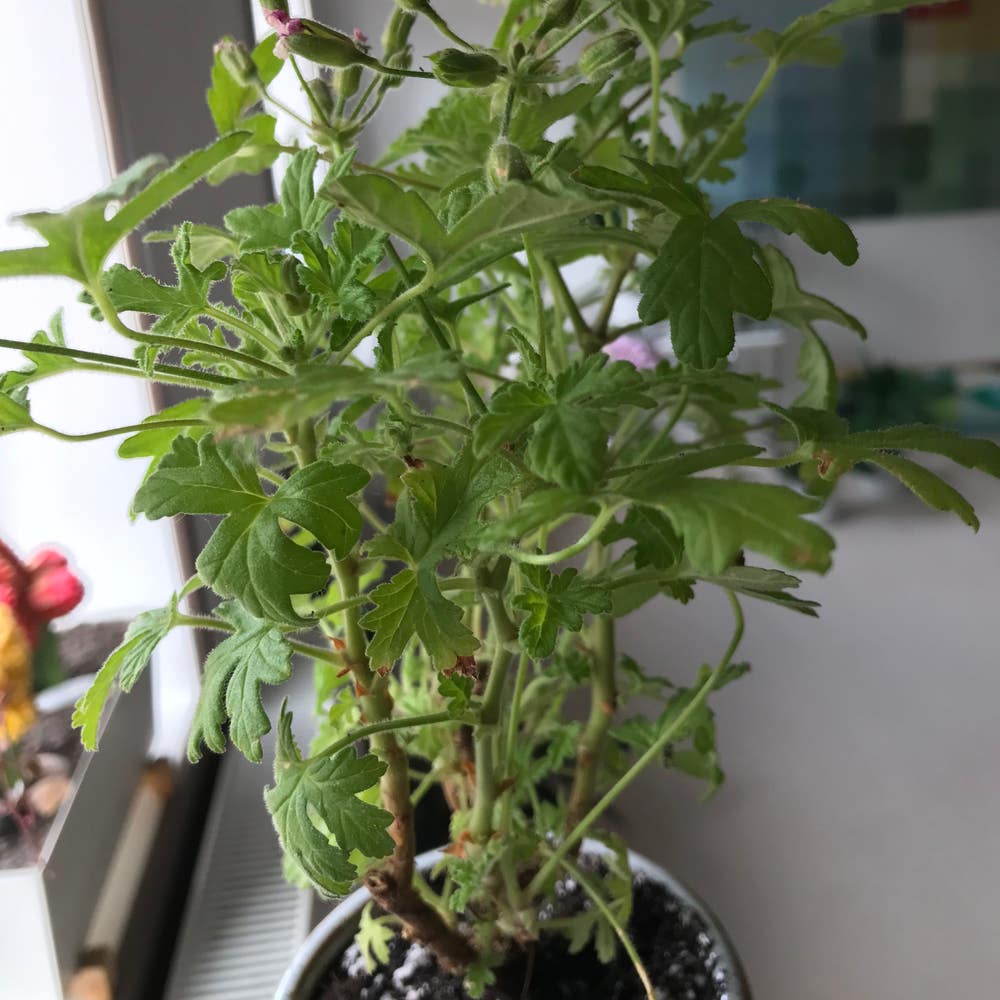
Why Are the Leaves on My Musk Mallow Turning Yellow?
Malva moschata
By the Greg Editorial Team
Mar 15, 2024•3 min read
This article was created with the help of AI so we can cover more plants for you. May contain errors. See one? Report it here.
Prevent the dismay of yellow Musk Mallow leaves 🍂 with these essential, easy-to-follow care tips!
- Too much or too little light causes yellow leaves. Adjust plant placement.
- Balance watering and nutrients to prevent yellowing from over/underwatering and deficiencies.
- Combat pests and diseases with neem oil and good plant hygiene.
When the Sun Isn't Your Friend
🌞 Too Much Sunlight
Musk Mallow's leaves can throw a tantrum when overexposed to sunlight. Sunburn manifests as yellow leaves with brown, crispy edges. To combat this, relocate your plant to a spot with bright, indirect light. A sheer curtain can work wonders, acting as a sunscreen for your green buddy.
💡 Not Enough Light
Conversely, leaves pale and growth becomes leggy when light is scarce. Your plant might start leaning like it's trying to eavesdrop on the sun. To fix this, inch it closer to your brightest window but maintain a respectful distance to avoid scorching. Keep an eye out for new growth—it's your plant's way of giving a green thumbs-up.
Water Woes: Finding the Balance
🌊 Overwatering Troubles
Overwatering is the equivalent of giving your plant an unwanted bath. Its roots can't swim, so they end up suffocating. Soggy soil is a tell-tale sign you've been overzealous with the watering can. To fix this, let the soil dry out a bit before you water again. Ensure your pot has drainage holes to avoid future waterlogging.
🏜️ Underwatering Symptoms
Conversely, underwatering turns your Musk Mallow into a parched desert dweller. If the soil feels as dry as a bone and the leaves start to droop, it's time to hydrate. But don't just flood the desert; aim for consistent soil moisture. Think of it as giving your plant a steady sip, not a gulp, to quench its thirst.
Feeding Your Musk Mallow Right
💡 Spotting Nutrient Deficiencies
Yellowing leaves on your Musk Mallow can be a red flag for nutrient deficiencies. Nitrogen shortage often results in pale green to yellow leaves, starting with the older, lower leaves. Iron deficiency will show as yellowing between the veins of young leaves, while magnesium lack tends to cause leaf edges to yellow and curl. Stunted growth can also hint at these deficiencies.
🍽️ Fertilizing Fixes
Selecting the right fertilizer can turn your Musk Mallow's frown upside down. A balanced fertilizer with equal parts nitrogen, phosphorus, and potassium (N-P-K) is a good start. However, don't ignore micronutrients like iron and magnesium. Moderation is key; follow the manufacturer's instructions to avoid nutrient burn. Observe your plant after feeding—new growth and greener leaves mean you're on track. During the growing season, a monthly feeding schedule can keep your Musk Mallow smiling. Remember, a soil test is your best friend to pinpoint exactly what's missing.
Bug Battles and Disease Defenses
🐛 Common Culprits
Yellowing leaves on your Musk Mallow can be a red flag for pest infestations or diseases. Mealybugs and nematodes are the usual suspects, often leaving the foliage discolored and stressed. Rust, a fungal condition, can also creep in, starting with white dots on the underside of leaves that eventually turn yellowish-green and black. Flea beetles might also join the party, munching on leaves and leaving behind telltale pinprick holes.
🛡️ Effective Treatments
Combat these pests and diseases with targeted treatments. For mealybugs and nematodes, an insecticidal soap or neem oil can be effective. If rust has taken hold, remove affected leaves promptly, avoid overhead watering, and consider a copper-based fungicide. For flea beetles, neem oil is again your go-to. Remember, prevention is key—regular checks and good hygiene can stop these issues before they escalate. If you're dealing with a fungal disease like powdery mildew, improve air circulation and consider a fungicide. And for those viral diseases with no cure, like mosaic virus, removing affected plants is the best course of action. Always follow label instructions to the letter when applying treatments.
⚠️ Safety First
This content is for general information and may contain errors, omissions, or outdated details. It is not medical, veterinary advice, or an endorsement of therapeutic claims.
Always consult a qualified healthcare professional before using any plant as food, medicine, or supplement.
Never eat any plant (or feed one to pets) without confirming its identity with at least two trusted sources.
If you suspect poisoning, call Poison Control (800) 222-1222, the Pet Poison Helpline (800) 213-6680, or your local emergency service immediately.
Spotted an error? Please report it here.
Banish yellow leaves and grow 🌱 a thriving Musk Mallow with Greg's reminders for sunlight, watering, and fertilizing, tailored to your plant's needs.