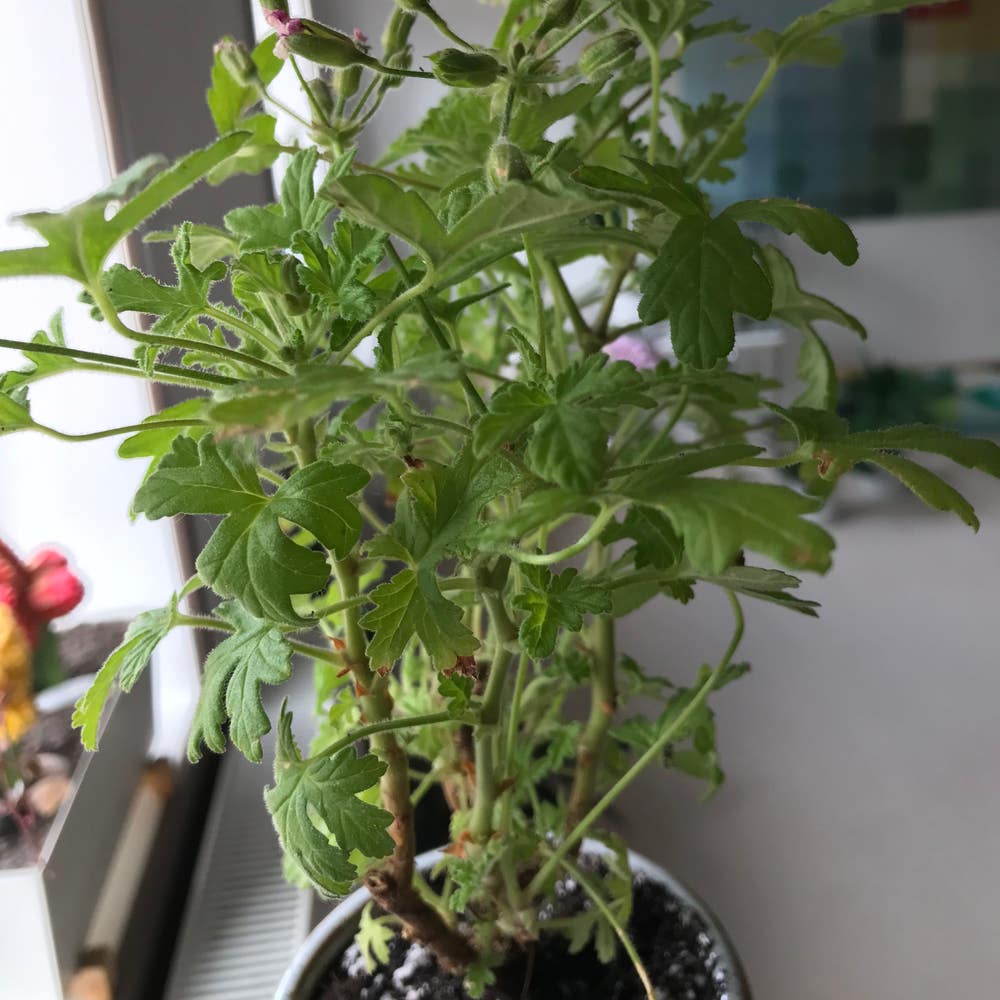
🌤 Light Requirements For Your Musk Mallow
Malva moschata
By the Greg Editorial Team
Mar 15, 2024•4 min read
This article was created with the help of AI so we can cover more plants for you. May contain errors. See one? Report it here.
Discover the secret to vibrant Musk Mallow blooms 🌸 with the ultimate guide to nailing their light needs! 🌞
- 5-6 hours of direct sunlight ideal for Musk Mallow; partial shade beneficial.
- 🌞 Rotate plant seasonally to prevent droopiness and color fading.
- Use grow lights if needed, with full-spectrum LEDs being most efficient.
Soaking Up the Sun: Outdoor Light Loves of Musk Mallow
🌞 Full Sun to Partial Shade: Finding the Sweet Spot
Musk Mallow thrives with 5-6 hours of direct sunlight. Morning sun is your ally, while the afternoon's partial shade keeps the peace.
💫 Seasonal Light Changes and Musk Mallow
As the seasons turn, so should your Musk Mallow. Rotate to match the sun's shifting angles. Watch for droopy leaves or faded colors—they're crying out for a better spot in the sun or a respite in the shade.
Bringing the Sunshine In: Indoor Light for Musk Mallow
🌞 Window Wisdom: Best Indoor Spots for Your Plant
Musk Mallow thrives in bright, direct light when indoors. East-facing windows snag the morning sun without the harsh midday intensity, making them prime real estate for your plant. But don't discount south-facing windows; they're the sun magnets, especially during those short winter days. Just watch out for any outdoor obstacles casting a shadow over your plant's light source.
Managing light intensity is a balancing act. If you notice your Musk Mallow getting too much sun, a sheer curtain can be a game-changer. It diffuses the light, giving your plant the glow it needs without the risk of sunburn. Conversely, if the light's too weak, scoot your plant closer to the window or clear any light-blocking clutter.
💡 Grow Lights: Giving Your Musk Mallow a Luminous Boost
Sometimes, the sun alone won't cut it. Enter grow lights: your plant's personal sun substitute. Full-spectrum lights are the gold standard, mimicking natural sunlight to keep your Musk Mallow beaming. When setting up, ensure the light is close enough to bathe your plant in light, but not so close it turns into a plant fryer.
Choosing the right grow light can feel like navigating a tech expo. LED or fluorescent? The answer might depend on your energy bill preferences and how much heat your plant can handle. Remember, LEDs are cooler and more energy-efficient, while fluorescents can be a bit warmer. Whichever you choose, make sure it's a full-spectrum light for the best results.
Setting up your grow light system is less about following a strict blueprint and more about understanding your plant's needs. Start with the light on for about 12 hours a day and adjust as needed. Keep an eye on your Musk Mallow's growth and color; it'll tell you if you're on the right track. If you're not sure, there's no shame in consulting a local plant guru or doing a deep dive online.
Flower Power: How Light Influences Musk Mallow Blooms
💡 Understanding Light's Role in Flowering Cycles
Bright light is like a green light for Musk Mallow blooms. It tells the plant, "Hey, it's showtime!" But just like a good tan, there's a fine line between glowing and roasting. Too much sun can scorch those delicate leaves, while too little is like keeping the curtains drawn all day—no action.
- Aim for a generous dose of indirect sunlight during the blooming period.
- Monitor for signs of distress, adjusting light exposure as needed.
💡 Tips for Maximizing Flower Production Through Light Management
To get those Musk Mallow flowers popping, think of light as your plant's personal trainer—it needs the right amount and intensity to flex those floral muscles.
- Increase light duration slightly if blooms are scarce.
- If leaves look sunburnt, it's time to dial it back.
- Keep the plant within a 6-12 inch sweet spot from artificial light sources.
- Use white or mixed light bulbs to mimic the natural light spectrum.
Remember, it's a dance, not a race. Watch your plant's cues and adjust your moves accordingly. Keep it in the sweet spot, and you'll be rewarded with a floral show that's worth every ray.
Light Troubleshooting: Common Issues and Fixes
🌞 Too Much of a Good Thing: Signs of Overexposure
Crispy leaves? Your Musk Mallow might be sunbathing too hard. If you notice bleached spots or foliage that's more fried than your favorite snack, it's time to intervene. Move your plant to a less intense spot pronto. Consider a sheer curtain to diffuse that harsh solar punch. It's like giving your plant a pair of shades.
🌑 In the Shadows: Dealing with Underexposure
Pale and stretched-out plants are crying out for sunlight. If your Musk Mallow is reaching for the stars, it's not getting enough light. Relocate it to a brighter location, but don't roast it. No direct sunlight that can lead to a plant meltdown. If the sun is playing hide-and-seek, think about a grow light to keep the photosynthesis party going. Remember, it's all about finding that sweet spot of bright, indirect light.
⚠️ Safety First
This content is for general information and may contain errors, omissions, or outdated details. It is not medical, veterinary advice, or an endorsement of therapeutic claims.
Always consult a qualified healthcare professional before using any plant as food, medicine, or supplement.
Never eat any plant (or feed one to pets) without confirming its identity with at least two trusted sources.
If you suspect poisoning, call Poison Control (800) 222-1222, the Pet Poison Helpline (800) 213-6680, or your local emergency service immediately.
Spotted an error? Please report it here.
Ensure your Musk Mallow thrives 🌞 with Greg's custom reminders to adjust light exposure, keeping your blooms vibrant and leaves lush without the guesswork.