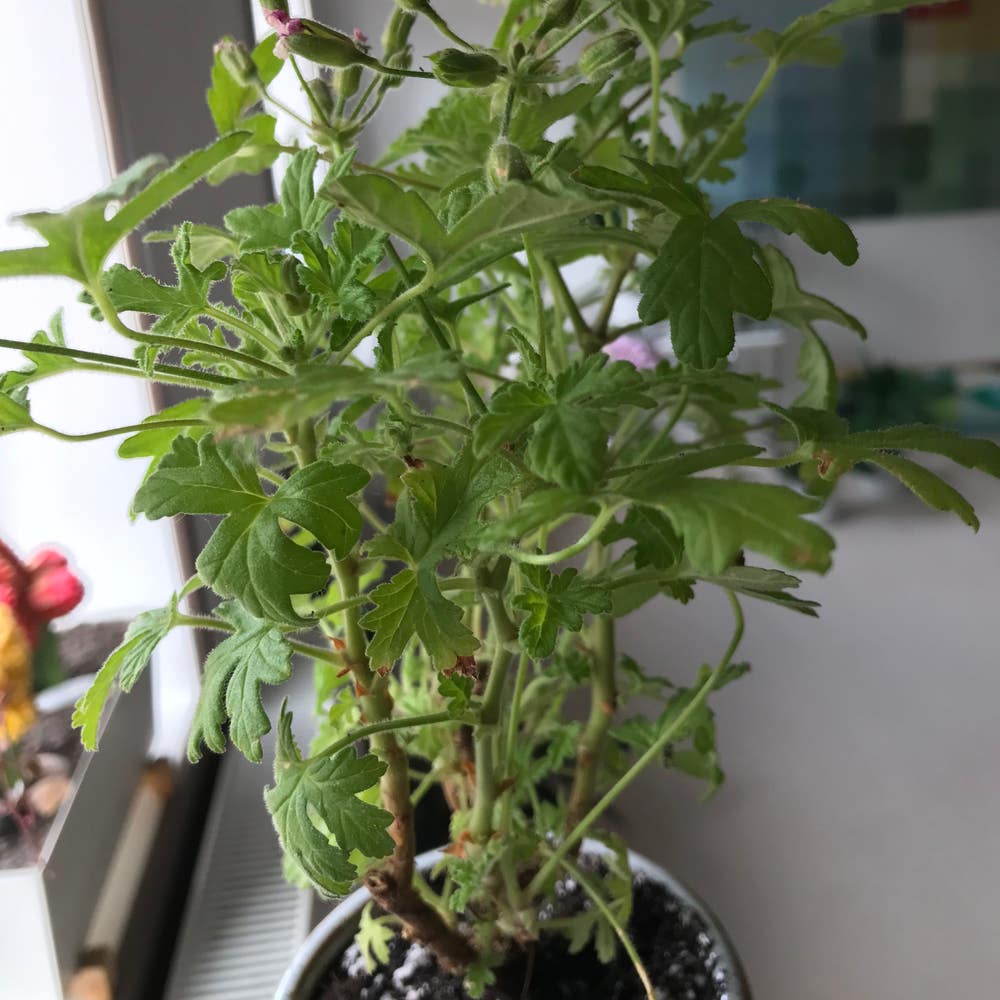
Why Are There Brown Spots on My Musk Mallow?
Malva moschata
By the Greg Editorial Team
Mar 15, 2024•5 min read
This article was created with the help of AI so we can cover more plants for you. May contain errors. See one? Report it here.
Stop brown spots from ruining your Musk Mallow's beauty—learn the fix for lush, spotless leaves! 🍂🔍
- 🍂 Brown spots can be fungal, bacterial, or due to overwatering.
- Treatment varies: fungicides for fungi, bactericides for bacteria.
- Prevent with good habits: proper watering, air circulation, cleanliness.
Spotting Trouble: Recognizing Brown Spots on Your Plant
🕵️ The First Signs: What to Look For
Brown spots on Musk Mallow leaves can be as subtle as a whisper or as blatant as a shout. Location matters. They might debut on the leaf edges or take the spotlight at the center. Patterns vary; they could be random like a Jackson Pollock painting or organized like soldiers in formation.
🚨 When Spots Spell Trouble: Understanding the Progression
A brown spot's life story is written on the leaf. It starts as a tiny speck and can balloon into a full-blown blotch. Color changes or the emergence of halos are your plant's way of raising a red flag. Neglect can turn a small spot into a leaf-consuming blight, threatening your Musk Mallow's very livelihood.
👾 Spotting the Invaders: Pests and Pathogens
Keep your eyes peeled for spots with a yellowish halo or a water-soaked look—these are the plant's distress signals. If the spots feel squishy, you might be dealing with overwatering. Crispy? Your plant could be critiquing your sunlight management. Bumpy? Unwelcome fungal guests might be crashing the party.
📈 Progression Patterns: The Evolution of Damage
Watch as brown spots evolve from minor characters to lead villains on the foliage stage. Consistent patterns across leaves often point to a systemic issue. A spot's growth rate is critical; what's small today could be a major headache tomorrow. Stay vigilant to keep your Musk Mallow's story a happy one.
Rooting Out the Causes: What's Behind the Brown Spots?
Identifying the culprits behind brown spots on Musk Mallow is crucial for effective treatment.
🍄 Fungal Foes
Cercospora and Alternaria are the primary fungal villains responsible for leaf spots. These fungi love moist environments and can turn your Musk Mallow's leaves into a spotty mess. Symptoms include circular or irregularly shaped spots with a yellow halo or a darker border. Fungal infections often start on the lower leaves and spread upwards.
🦠 Bacterial Baddies
Bacterial leaf spot sneaks in with water-soaked lesions that can rapidly degrade leaf health. These spots may have a yellow or reddish edge, distinguishing them from fungal spots. Bacteria thrive in high humidity and stagnant air, conditions that Musk Mallow can do without.
🌿 Environmental Stressors
Overwatering and high humidity are not just a plant's lifestyle choices; they're an open invitation for leaf spot diseases. Poor drainage compounds the problem, creating a soggy environment where pathogens can party hard. Keep an eye out for brown spots that could signal your Musk Mallow is under environmental stress.
Healing Your Plant: Treatment Tactics
🍄 Fighting Fungus
Fungicides are your Musk Mallow's ally against fungal foes. Choose a product tailored to tackle leaf spot diseases like Cercospora and Alternaria. Read labels carefully and apply as directed—precision is key. Remove infected leaves to prevent further spread; dispose of them safely, not in your compost.
Air circulation can't be overstated. Prune strategically to open up the plant, allowing it to breathe and reducing moisture that fungi feast on. Consider a fan for indoor plants to mimic a gentle breeze. Lifestyle changes for your Musk Mallow mean monitoring humidity like a hawk and adjusting as needed.
🦠 Battling Bacteria
When bacteria are the baddies, bactericides step in. Early intervention is crucial, so at the first sign of trouble, get your hands on a suitable bactericide. Follow the instructions as if they're the secret to your plant's survival—because they are.
Cleanliness is your plant's best friend. Sterilize your tools after each use to avoid spreading the bacteria like bad gossip. Keep the surrounding area free of debris and fallen leaves. Think of plant hygiene as preventive medicine—it's less about cleaning up and more about keeping your Musk Mallow in fighting shape.
Keeping Spots at Bay: Prevention Strategies
💧 Watering Wisdom
Watering your Musk Mallow should be a deliberate act. Before you water, check the soil's moisture level; it should be dry to the touch. Overwatering invites fungi to thrive, which can lead to brown spots.
Creating the Ideal Musk Mallow Habitat
Airflow is crucial. Ensure your Musk Mallow isn't crowded by other plants, promoting circulation and reducing humidity. Use pots with drainage holes and well-draining soil to prevent waterlogging.
🌱 Cultural Practices
Keep your garden clean. Remove fallen leaves and debris promptly to prevent fungal growth. Sterilize your tools after each use to avoid spreading pathogens.
Environmental Harmony
Strive for balance in humidity, light, and airflow. Mimic the Musk Mallow's natural habitat to keep it healthy. Regular checks for pests and diseases are essential; early detection means easier management.
Fertilization and Pruning
Fertilize judiciously. A well-nourished plant is more resistant to diseases but avoid over-fertilization, which can be just as harmful. Prune your Musk Mallow to remove potential disease sites and promote good air circulation.
Quarantine New Plants
Isolate new additions to your garden for a period to ensure they're not harboring any diseases or pests. It's a preventive measure to protect the rest of your plants.
Final Thoughts
Remember, prevention is an ongoing process. Stay vigilant and your Musk Mallow will reward you with healthy, spot-free leaves.
⚠️ Safety First
This content is for general information and may contain errors, omissions, or outdated details. It is not medical, veterinary advice, or an endorsement of therapeutic claims.
Always consult a qualified healthcare professional before using any plant as food, medicine, or supplement.
Never eat any plant (or feed one to pets) without confirming its identity with at least two trusted sources.
If you suspect poisoning, call Poison Control (800) 222-1222, the Pet Poison Helpline (800) 213-6680, or your local emergency service immediately.
Spotted an error? Please report it here.
Keep your Musk Mallow thriving 🌿 with Greg's proactive monitoring that helps nip those brown spots in the bud before they spread.