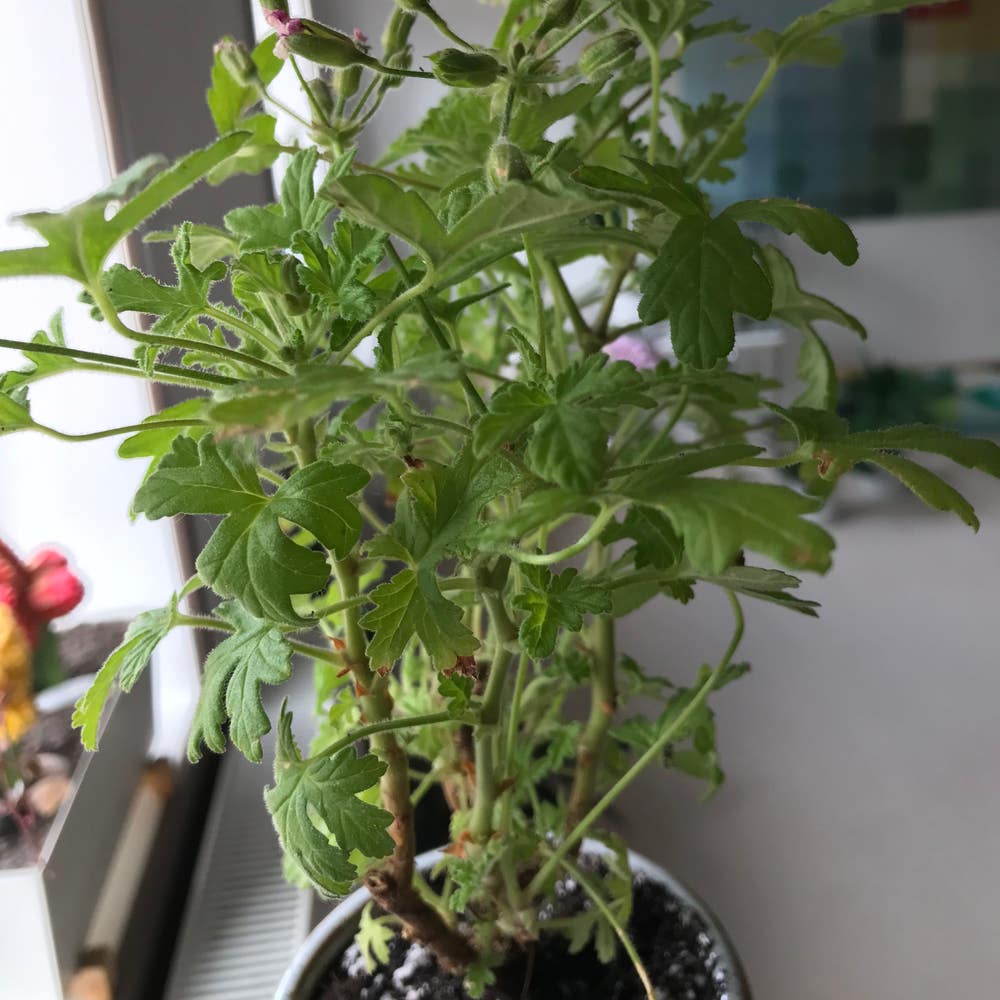
🌸 Musk Mallow Hardiness Zones: 3a-8b
Malva moschata
By the Greg Editorial Team
Oct 17, 2024•4 min read
This article was created with the help of AI so we can cover more plants for you. May contain errors. See one? Report it here.
Unlock your garden's potential with Musk Mallow's incredible temperature tolerance! 🌱
- 🌍 Musk Mallow thrives in hardiness zones 3a to 8b, suitable for diverse climates.
- ❄️ Tolerates extreme cold from -40°F to 20°F, ensuring resilience in harsh winters.
- 🌞 Adapts well to heat and drought once established, making it versatile for gardeners.
Musk Mallow Temperature Tolerance
❄️ Cold Tolerance Specifics
Musk Mallow thrives in a wide cold tolerance range of -40°F to 20°F (-40°C to -6°C), making it suitable for hardiness zones 3a to 8b. This plant can also withstand early spring and late fall frosts, showcasing its resilience in cooler climates.
☀️ Heat Tolerance Specifics
In warmer zones, Musk Mallow tolerates temperatures between 20°F to 30°F (-6°C to -1°C). Once established, it adapts well to heat and drought conditions, proving its versatility in various environments.
🌡️ Impact of Temperature Extremes on Growth
Extreme cold can hinder flowering and overall growth, potentially stunting the plant's development. Conversely, high temperatures may stress the plant, affecting its health and vitality, so understanding these extremes is crucial for successful cultivation.
With a solid grasp of Musk Mallow's temperature tolerance, you can better appreciate its adaptability and resilience. Next, we’ll explore the ideal growing regions for this remarkable plant.
Ideal Growing Regions
🌍 Examples of Suitable US States
Musk Mallow thrives in hardiness zones 3a-8b, making it a great choice for various regions. In the Midwest, states like Michigan and Wisconsin provide ideal conditions, while the Northeast boasts New York and Pennsylvania. The Pacific Northwest, with Washington and Oregon, also offers a suitable environment for this resilient plant.
🌱 Factors Contributing to Ideal Conditions
For optimal growth, Musk Mallow prefers well-drained soil types. Seasonal temperature variations and adequate precipitation are crucial climate factors that support its development.
🗺️ Comparison of Different Regions
Growing conditions can vary significantly across states. For instance, the Midwest may experience colder winters, while the Pacific Northwest enjoys milder temperatures, each presenting unique advantages for Musk Mallow cultivation. Understanding these regional differences can help you select the best location for your garden.
As you consider where to plant Musk Mallow, remember that local climate factors play a vital role in its success. Next, we'll explore how microclimates can further enhance your growing experience.
Microclimates and Musk Mallow
🌍 Definition and Significance
Microclimates are localized climate variations that can significantly affect plant growth. Understanding these unique conditions is crucial for successfully cultivating Musk Mallow.
📈 Extending Growing Range
Local factors like temperature and moisture can create ideal conditions for Musk Mallow, even outside its typical hardiness zones. For instance, a south-facing slope may retain heat, allowing for earlier blooming.
🌿 Beneficial Microclimates
Urban areas often experience heat retention due to buildings and pavement, creating warmer spots for Musk Mallow. Additionally, sheltered valleys or slopes can provide a cozy environment, protecting the plant from harsh winds and extreme temperatures.
By recognizing and utilizing these microclimates, gardeners can enhance their Musk Mallow cultivation, ensuring vibrant growth and abundant blooms. Next, we’ll explore state-level suitability for Musk Mallow, diving into which regions are best suited for this resilient plant.
State-Level Suitability Analysis
🌍 List of Suitable States
Musk Mallow thrives in various states across the U.S., particularly those within hardiness zones 3a-8b. Here’s a quick look at some suitable states:
- Michigan: Known for its cool summers and cold winters, Michigan provides a perfect environment for Musk Mallow to flourish.
- Wisconsin: With its diverse climate, Wisconsin offers the right balance of cold winters and warm summers.
- New York: The varied climate across the state allows for successful Musk Mallow growth, especially in the northern regions.
- Pennsylvania: This state features a mix of temperatures and moisture levels, ideal for cultivating Musk Mallow.
- Washington: The Pacific Northwest’s mild climate and ample rainfall create a welcoming habitat for this plant.
- Oregon: Similar to Washington, Oregon’s temperate conditions support healthy Musk Mallow growth.
🚫 Unsuitable States and Reasons
While Musk Mallow is adaptable, certain states are not suitable for its cultivation.
- Florida: The excessive heat and humidity can stress the plant, making it difficult to thrive.
- Texas: Similar to Florida, the high temperatures can overwhelm Musk Mallow, pushing it beyond its comfort zone.
- Tropical Regions: Areas without frost, like many tropical climates, lack the seasonal variations Musk Mallow needs for optimal growth.
🌦️ Local Climate Factors Affecting Suitability
Understanding local climate factors is crucial for successful Musk Mallow cultivation.
- Elevation: Higher elevations can provide cooler temperatures, which may benefit Musk Mallow in warmer states.
- Humidity: The right humidity levels can enhance growth, but too much can lead to disease.
- Seasonal Changes: Seasonal variations in temperature and precipitation are vital for the plant’s lifecycle.
Recognizing these local climate nuances can make all the difference in your gardening success. By choosing the right location and understanding your environment, you can cultivate Musk Mallow effectively.
Next, let’s explore how microclimates can further enhance the growing potential of Musk Mallow.
⚠️ Safety First
This content is for general information and may contain errors, omissions, or outdated details. It is not medical, veterinary advice, or an endorsement of therapeutic claims.
Always consult a qualified healthcare professional before using any plant as food, medicine, or supplement.
Never eat any plant (or feed one to pets) without confirming its identity with at least two trusted sources.
If you suspect poisoning, call Poison Control (800) 222-1222, the Pet Poison Helpline (800) 213-6680, or your local emergency service immediately.
Spotted an error? Please report it here.
Musk Mallow is a resilient beauty 🌼 that thrives in diverse climates, and with Greg's personalized care tips, you can ensure it flourishes beautifully in your garden!