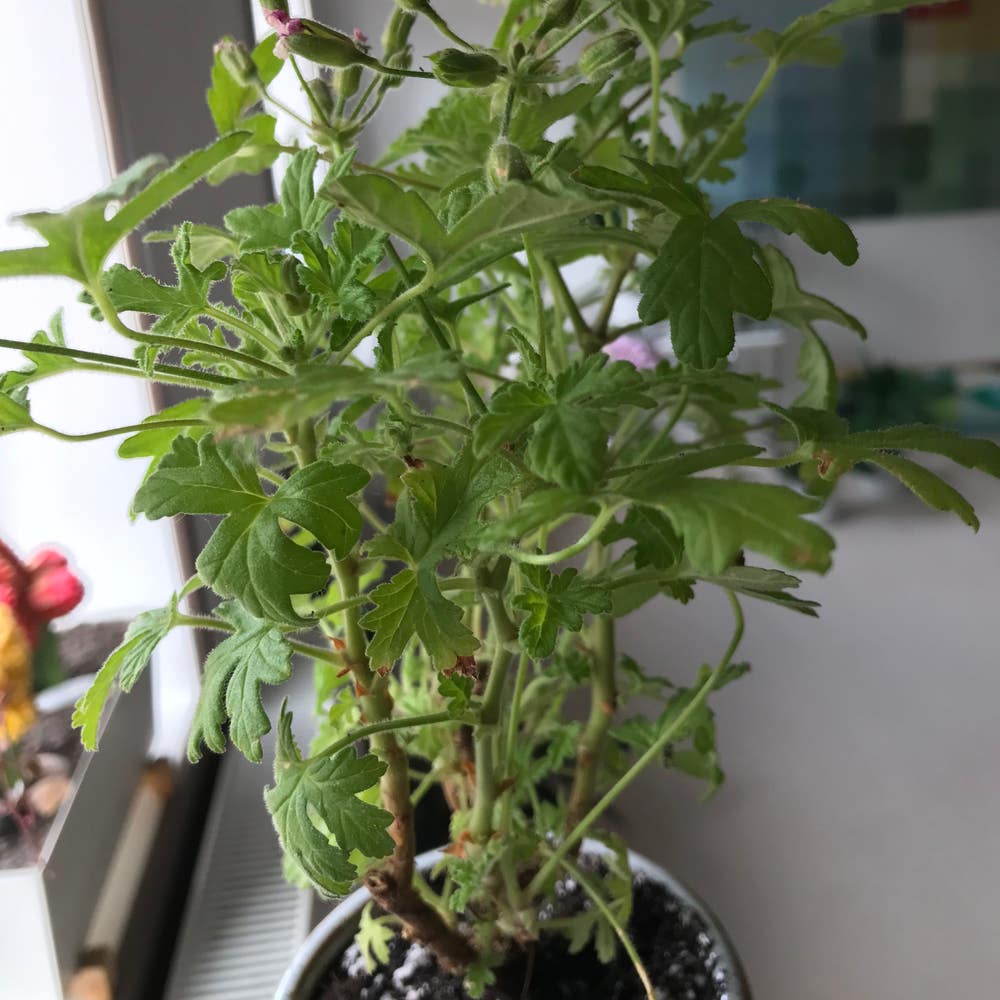
💧 Why Are My Musk Mallow Leaves Mushy?
Malva moschata
By the Greg Editorial Team
Mar 15, 2024•3 min read
This article was created with the help of AI so we can cover more plants for you. May contain errors. See one? Report it here.
Save your Musk Mallow from mushy mayhem 🍂 with our expert revival and prevention guide!
- 🚿 Overwatering causes mushy leaves; let top inch of soil dry out.
- 🍄 Fungal growth signaled by musty smell; combat with fungicides or organic mixtures.
- 🌱 Improve drainage with organic matter; ensure pots have drainage holes.
Spotting the Trouble: Signs Your Musk Mallow is Too Wet
🚰 Telltale Symptoms of Overwatering
Yellowing leaves are the first clue; they're the plant's SOS. If the leaves are also soft and detach easily, it's a clear signal of overwatering. Root health is at stake here—healthy roots are firm and white, not brown and limp.
🍄 Recognizing Fungal Foes
Fungi thrive in moist conditions. Mushy leaves and a musty smell are giveaways. If you spot mold or mildew on the soil surface, it's time to act. Texture changes in the spots on leaves—raised, sunken, or slimy—can help you pinpoint the issue.
🚰 When Poor Drainage Takes a Toll
Soil should feel moist, not like a wet sponge. Check the pot for drainage holes; their absence is often the culprit. Remember, no drainage means no chance for your Musk Mallow to thrive.
First Aid for Your Waterlogged Musk Mallow
💧 Adjusting Your Watering Technique
Check the soil before you water. If it's damp, skip the watering can. Let the top inch dry out first. A moisture meter can be your ally in this mission for the ideal watering rhythm.
🍄 Tackling Fungal Invaders
Fungicide might be your next best friend. Start with organic options, like a baking soda and soap mixture, and if the situation is dire, consider stronger, copper-based fungicides. Follow the label instructions to the letter.
🌱 Amending Your Soil for Success
Organic matter is your soil's superhero, helping retain the right amount of moisture. If your soil is more bog than bed, mix in some sand or perlite to improve drainage. Remember, your Musk Mallow's roots need to breathe, not swim.
Turning the Tide: Long-Term Strategies to Keep Leaves Firm
💧 Mastering the Art of Watering Musk Mallow
Watering is not just about quantity; it's about timing and technique. Early morning watering allows leaves to dry out during the day, slashing the chances of fungal parties. Use a moisture meter to take the guesswork out of watering, ensuring the soil is moist but not soggy. Adjust your watering habits with the seasons—less in winter, more in summer. It's like keeping a beat; maintain a rhythm for your plant's watering needs.
🛡️ Fostering Fungal Resistance
Fungal foes are like bad roommates; they're tough to evict once they move in. Preventative measures are your best bet. Ensure good air circulation around your Musk Mallow, as stagnant air invites fungal freeloaders. Keep the foliage dry and the ground below clean—fallen leaves are not a decoration, they're a fungal feast. Consider a fungicide as a protective shield if you're in a high-humidity area, but use it wisely.
🌱 Ensuring Enduring Soil Health
Soil is the Musk Mallow's bedrock. Mix in organic matter or sand to promote drainage. A mulch layer can help retain moisture without choking the roots, but don't let it touch the stem—that's like wearing wet socks, and no one likes that. Regularly check your soil's pH and nutrient levels; it's like giving your plant a health check-up. And remember, a pot with drainage holes is not just a suggestion; it's a necessity for long-term leaf firmness.
⚠️ Safety First
This content is for general information and may contain errors, omissions, or outdated details. It is not medical, veterinary advice, or an endorsement of therapeutic claims.
Always consult a qualified healthcare professional before using any plant as food, medicine, or supplement.
Never eat any plant (or feed one to pets) without confirming its identity with at least two trusted sources.
If you suspect poisoning, call Poison Control (800) 222-1222, the Pet Poison Helpline (800) 213-6680, or your local emergency service immediately.
Spotted an error? Please report it here.
Keep your Musk Mallow thriving 🌿 with Greg's tailored watering reminders and community advice to prevent those mushy leaves!