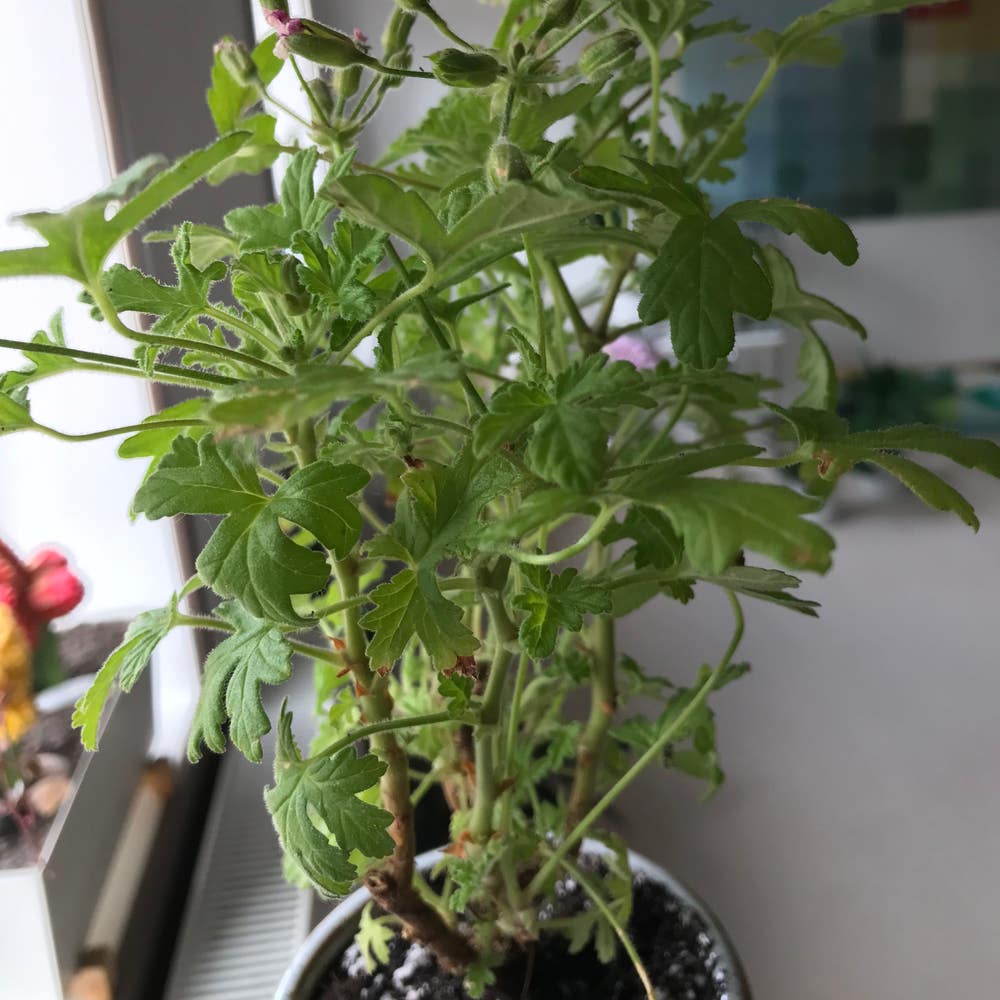
Black Spots on My Musk Mallow Leaves
Malva moschata
By the Greg Editorial Team
Mar 15, 2024•4 min read
This article was created with the help of AI so we can cover more plants for you. May contain errors. See one? Report it here.
Banish black spots on your Musk Mallow 🌿 with our expert guide to early detection and effective treatment!
- Fungi and bacteria cause black spots; look for texture/color clues.
- Prevent with microclimate, airflow, and base watering techniques.
- Act quickly: Use fungicides or copper-based products, and prune affected areas.
Spotting the Culprit: Recognizing Black Spots
🕵️ What Black Spots Look Like
Tiny terrors on your Musk Mallow? Black spots often start as small, dark specks, less than ⅛ inch in diameter. They're the plant equivalent of a red flag, signaling something's amiss. Left unchecked, these specks can expand into larger, more sinister blotches.
🕵️ Where to Find Them
Flip those leaves! Black spots are sneaky, preferring the undersides of Musk Mallow leaves for their covert operations. But don't ignore the topsides; they're fair game too. Regular inspections are non-negotiable—like brushing your teeth, but for plant health.
🕵️ Texture and Color Nuances
Feel up your plant's leaves—gently, of course. Are the spots raised or sunken? Maybe they've got a powdery or slimy vibe, which can clue you into whether a fungus or bacteria is crashing your Musk Mallow party.
🕵️ The Early Bird Gets the Worm
Catch 'em early, and you're a plant hero. Ignore them, and you're in for a world of blotchy, black-spotted hurt. Regular leaf check-ups are as crucial as your morning coffee—don't skip them.
Unearthing the Causes: Why Black Spots Appear
🍄 Fungal Foes
Fungi are the usual suspects behind those unsightly black spots on Musk Mallow leaves. The most notorious culprits include Septoria leaf spot and powdery mildew, both of which love to feast on your plant under the right (or rather, wrong) conditions. These conditions often involve too much moisture and not enough air movement, creating a fungal paradise.
🌿 Environmental Enablers
The environment can roll out the red carpet for fungi. Overwatering and poor drainage are like sending out VIP invites to a party you never wanted to host. High humidity and stagnant air also make the guest list, setting the stage for fungi to crash your Musk Mallow's leaves.
🦠 Bacterial Bullies
Moving on to bacteria, these microscopic gatecrashers can cause black spots that are often surrounded by a yellow halo. Pseudomonas leaf spot is a common bacterial menace that can quickly escalate to blight. It's a stealthy invader that can slip in through the smallest of wounds or openings in the plant tissue.
🌧️ How Bacteria Can Take Hold
Bacteria love a good, moist environment as much as fungi do. If your Musk Mallow is stuck in a spot that's too damp or lacking airflow, you're basically nurturing a bacterial breeding ground. It's like leaving the door wide open for these baddies to waltz in and wreak havoc on your plant's leaves.
First Aid for Foliage: Treating Black Spots
🍄 Battling Fungi
When black spots mar your Musk Mallow, fungicides are the go-to. But don't just grab any bottle off the shelf. Read labels like you're deciphering a secret code—each fungus demands its own nemesis. Coat every leaf, top and bottom, as if painting a masterpiece. And stick to the schedule with the tenacity of a postman—neither rain nor shine should keep you from your appointed rounds.
Home remedies have their place, too. A baking soda mix—one tablespoon per gallon of water with a dash of soap—can be your DIY shield against spores. Apply with gusto, but not when the sun's high, to avoid turning leaves into crispy critters.
🦠 Busting Bacteria
Bacteria on your Musk Mallow? Time to channel your inner surgeon. Prune the infected bits with sterilized precision. And then, like a good doctor, clean your tools before and after to stop the contagion.
For the chemical route, copper-based products can be your plant's antibiotic. Apply with the care of an artist, ensuring every leaf gets its dose. And just like antibiotics, don't skip on the application schedule—consistency is the backbone of recovery.
Sanitation isn't glamorous, but it's essential. Think of it as the janitorial work that keeps your plant's living space spick-and-span, warding off bacterial gate-crashers. Keep the ground clear of debris, and imagine your watering can as a sniper rifle—aim at the soil, not the foliage.
Defending Your Musk Mallow: Prevention Tactics
🌿 Environmental Tweaks
Adjusting your Musk Mallow's microclimate is essential. Ensure it's not in a spot that's too cozy for fungi, which thrive in stagnant, moist air. Promote good airflow around the plant to keep those leaves dry and less susceptible to black spots.
Watering wisdom is crucial. Water at the base to avoid wetting the leaves, and only when the top inch of soil feels dry. Overhead watering is a no-go; it's like throwing a party for pathogens.
🌱 Smart Gardening Practices
Pruning isn't just about aesthetics; it's about survival. Remove overcrowded or dead foliage to enhance air circulation. Think of it as giving your plant room to breathe, reducing the risk of fungal and bacterial invasions.
Vigilance is your best defense. Regularly inspect leaves for the earliest signs of trouble. Catching issues early is like nipping them in the bud—literally. If you spot something, act fast; proactive care is the name of the game.
⚠️ Safety First
This content is for general information and may contain errors, omissions, or outdated details. It is not medical, veterinary advice, or an endorsement of therapeutic claims.
Always consult a qualified healthcare professional before using any plant as food, medicine, or supplement.
Never eat any plant (or feed one to pets) without confirming its identity with at least two trusted sources.
If you suspect poisoning, call Poison Control (800) 222-1222, the Pet Poison Helpline (800) 213-6680, or your local emergency service immediately.
Spotted an error? Please report it here.
Keep your Musk Mallow thriving 🌿 with Greg's tailored reminders for inspections and treatments, nipping those pesky black spots in the bud before they spread.