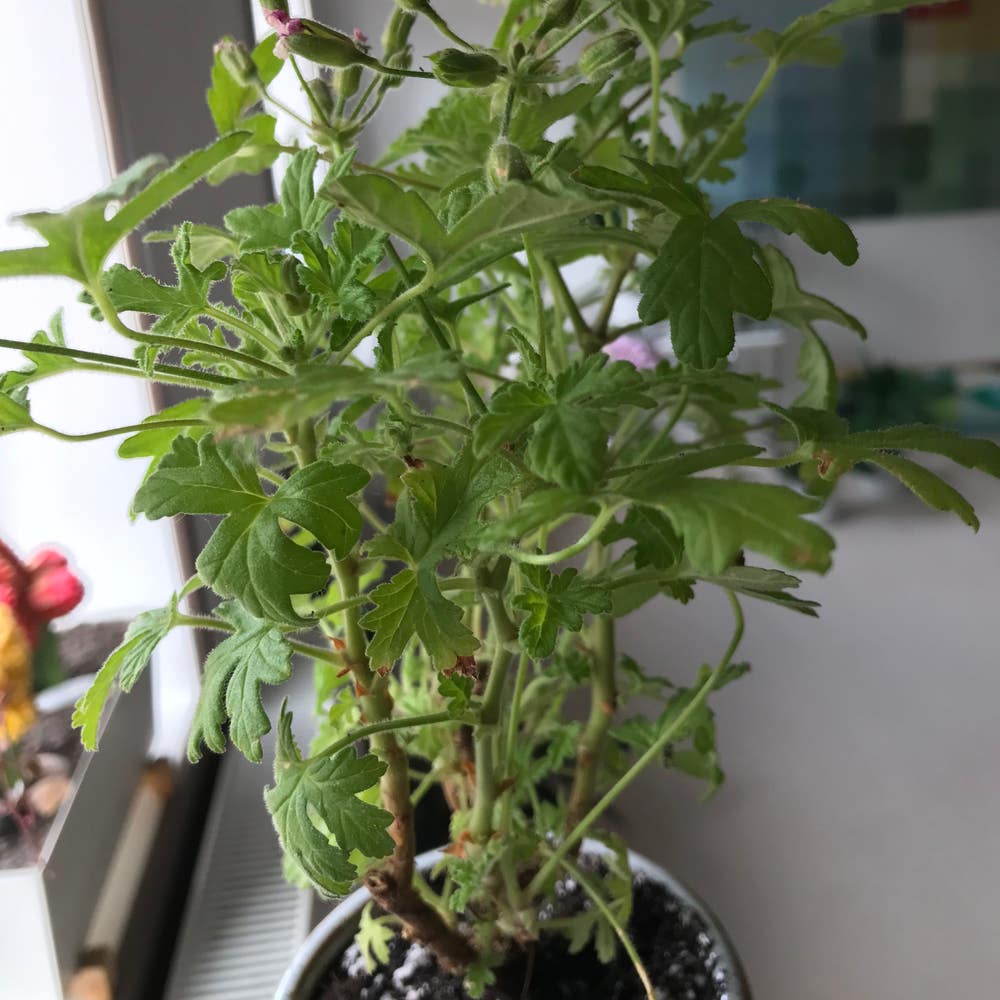
What Temperature Should My Musk Mallow Be Kept At?
Malva moschata
By the Greg Editorial Team
Mar 15, 2024•3 min read
This article was created with the help of AI so we can cover more plants for you. May contain errors. See one? Report it here.
Discover the secret to lush Musk Mallow blooms by mastering its ideal temperature zone 🌡️🌺.
- 65°F to 85°F for Musk Mallow ensures growth and flowering.
- 🌡️ Monitor and adjust with seasons to prevent temperature stress.
- Location matters to protect from drafts and heat sources.
When It's Just Right: Hitting the Musk Mallow Temperature Sweet Spot
🌡️ The Goldilocks Zone for Musk Mallow
65°F to 85°F – that's where Musk Mallow hits its stride. This range is crucial for both growth and flowering, ensuring your plant doesn't just survive, but thrives.
📅 Seasonal Shifts
As the calendar pages turn, so should your Musk Mallow care tactics. Spring and fall can be particularly tricky with their day-to-night temperature swings. Keep a close eye on the mercury during these seasons. Adjustments like moving potted plants or tweaking watering schedules can keep your Musk Mallow in its comfort zone. Remember, this plant loves the sun but not the scorch.
Uh-Oh, It's Getting Uncomfortable: Recognizing Temperature Stress
🌡️ Too Hot to Handle
Wilting leaves on your Musk Mallow? Heat stress might be the culprit. Mitigation is key: move the plant to a cooler area, away from direct sunlight, and consider increasing watering frequency to provide relief.
❄️ Chilled to the Core
If your Musk Mallow's growth has slowed or its leaves are turning brown, it's likely feeling the cold. Prevent further stress by relocating it to a warmer spot, away from drafts, and reduce watering to match the plant's slowed metabolism.
Keeping It Consistent: Avoiding Temperature Fluctuations
🌡️ Location, Location, Location
Musk Mallow thrives when it's not subjected to the whims of Mother Nature's mood swings. Placement is pivotal. Find a spot that's like a climate-controlled cocoon, sheltered from the seesaw of temperatures. Avoid the no-go zones: drafty windows that invite the chill, and heat sources that crank up the temp like a sauna.
🌬️ Weathering the Extremes
To protect your Musk Mallow from temperature tantrums, think like a plant bodyguard. Insulation can be your best friend during a cold snap—bubble wrap or plant cloches are the equivalent of a warm hug. When the heat cranks up, shade cloths act like sunglasses for your plant, keeping it cool. And remember, moving your plant should be a gradual affair, not a sudden relocation program.
A Quick Nod to Humidity
🌡️ Balancing Act
In the realm of Musk Mallow care, temperature and humidity are inextricably linked. The right temperature can be undermined by incorrect humidity levels, much like a perfect coffee ruined by the wrong amount of sugar.
Warm air holds more moisture, which means as you dial up the heat, you might also be unwittingly inviting a more humid environment. Conversely, a drop in the thermometer can lead to a drop in your plant's personal humidity, potentially leaving it as parched as a desert.
To keep your Musk Mallow from experiencing the horticultural equivalent of a bad hair day, monitor both temperature and humidity. A hygrometer can be your best friend here, offering a heads-up display of your plant's comfort level.
Remember, your Musk Mallow doesn't want to live in a rainforest or a desert. It craves that sweet spot where it's neither swimming in moisture nor gasping for a drop of water. Adjust your care routine with the seasons, because indoor humidity will swing like a pendulum throughout the year.
Grouping plants can help create a cozy microclimate, or a humidifier might be necessary to hit that Goldilocks zone. Just keep an eye out for the telltale signs of too much humidity, like the dreaded fungal fiesta, or too little, where leaves crisp up faster than bacon in a hot pan.
⚠️ Safety First
This content is for general information and may contain errors, omissions, or outdated details. It is not medical, veterinary advice, or an endorsement of therapeutic claims.
Always consult a qualified healthcare professional before using any plant as food, medicine, or supplement.
Never eat any plant (or feed one to pets) without confirming its identity with at least two trusted sources.
If you suspect poisoning, call Poison Control (800) 222-1222, the Pet Poison Helpline (800) 213-6680, or your local emergency service immediately.
Spotted an error? Please report it here.
Keep your Musk Mallow flourishing 🌺 by using Greg to track temperature changes and get personalized advice for protecting your plant from the whims of the weather.