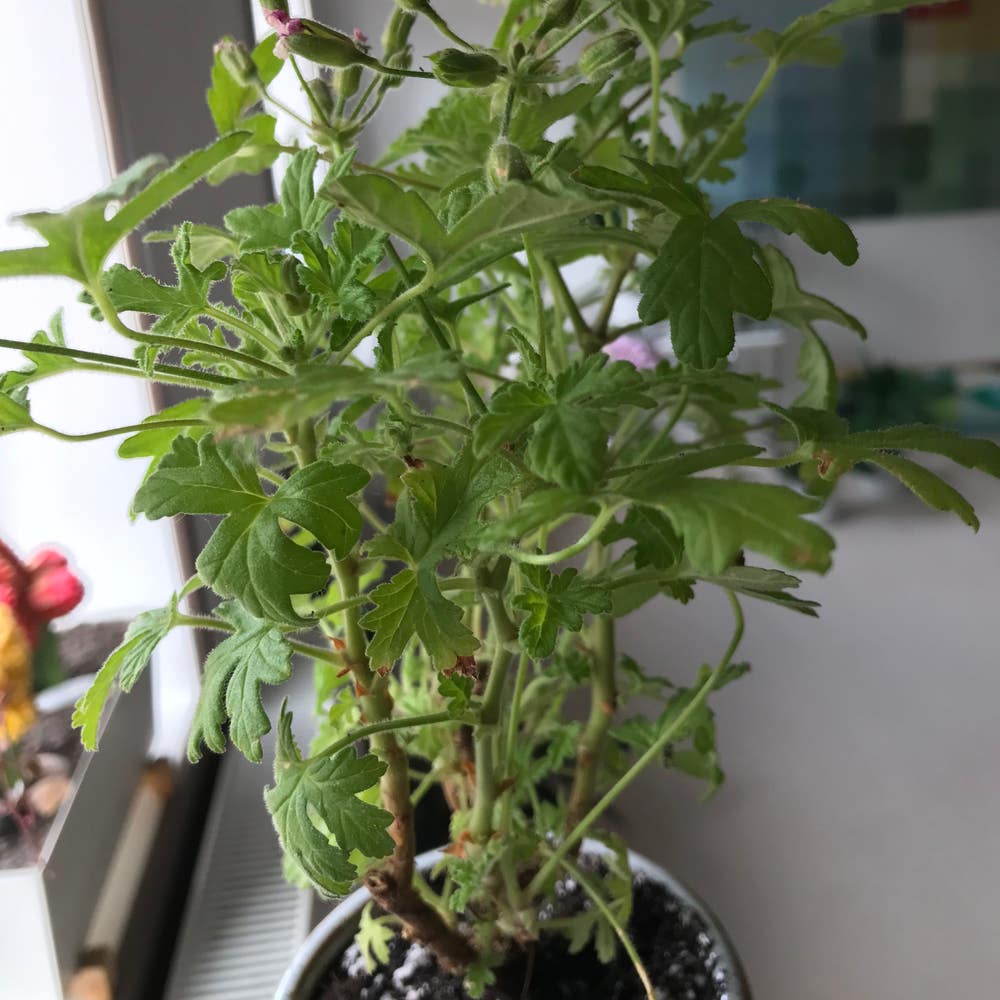
Diagnosing Musk Mallow Root Rot
Malva moschata
By the Greg Editorial Team
Mar 15, 2024•3 min read
This article was created with the help of AI so we can cover more plants for you. May contain errors. See one? Report it here.
Stop Musk Mallow root rot 🚫🌱 by learning the early signs and life-saving care tips in our guide!
- Yellow leaves and wilting signal early root rot in Musk Mallow.
- Adjust watering and aerate soil to prevent and treat root rot.
- Regular root checks and environmental tweaks are crucial for health.
Spotting the Red Flags: Symptoms of Root Rot in Musk Mallow
🚩 Visual Clues
Yellowing leaves and wilting are the first warnings that your Musk Mallow may be suffering from root rot. These symptoms are the plant's distress signals, indicating that all is not well below the surface.
Mushy roots and a foul odor are definitive signs of advanced root rot. If the roots feel like they've been left to stew in their own demise, it's time to take action.
🕵️ Beyond the Surface
To inspect the roots, gently unearth your Musk Mallow, taking care not to cause further damage. Healthy roots should be firm and white, not dark and squishy.
Assessing the extent of damage requires making tough calls. If the roots are more rotten than not, it may be time to say goodbye to the affected parts—or in severe cases, the entire plant.
First Response: Immediate Actions to Combat Root Rot
🌊 Stop the Soak
Overwatering is the archenemy of healthy roots. If your Musk Mallow is drowning in excess moisture, it's time to cut off the waterworks. Allow the soil to dry; this might seem harsh, but it's a necessary step to stop the rot from spreading.
Soil aeration can't be overlooked. It's like opening windows in a stuffy room—roots need to breathe too. Poke holes in the soil to introduce air and help the roots recover from their soggy ordeal.
🏥 Surgical Precision
Grab your sterilized shears; it's time for some root triage. Snip away the mushy, brown roots that scream decay. This isn't a time for sentimentality—be ruthless, or the rot will persist.
Post-surgery, the environment is key. Sterilize the pot and tools to prevent a root rot resurgence. It's like keeping the hospital room clean; no one wants a relapse.
Rebuilding Foundations: Soil and Environment Adjustments
🌱 Soil Revamp
To kick off the soil revamp, choose a well-draining soil mix. This is like swapping out a soggy sponge for a sieve, ensuring that excess water has a quick escape route. The ideal mix might include ingredients like perlite, coarse sand, or even clay pebbles to keep the soil structure loose and breathable.
Incorporating organic amendments is a game-changer for root health. Think compost or well-aged manure to inject a dose of nutrients. These additions act like a multivitamin for the soil, promoting a vigorous root system that's less susceptible to rot.
🌿 Environmental Tweaks
Optimizing pot placement is crucial for drainage and airflow. Ensure your Musk Mallow isn't sitting in the equivalent of a waterlogged trench. Elevate the pot or use a stand with feet to encourage water to run off rather than pool.
Balancing light exposure is a delicate dance. Too much and your plant's roots work overtime; too little and they languish in dampness. Find that sweet spot where the light is just right, encouraging healthy root activity without going overboard.
Future-Proofing: Preventative Measures for Musk Mallow
💧 Water Wisdom
Crafting a tailored watering schedule is essential for Musk Mallow's longevity. Observe your plant's response to watering and adjust the frequency and volume accordingly. Seasonal changes impact your plant's thirst; it's like your Musk Mallow is telling you when it's had enough or needs more.
Ongoing Vigilance
Regular root check-ups are non-negotiable. Gently probe the soil every few weeks to ensure it's not too wet or bone dry. Early signs of distress, like yellowing leaves or a slight wilt, are your cues to act. Stay alert and your Musk Mallow will thank you with vibrant growth.
⚠️ Safety First
This content is for general information and may contain errors, omissions, or outdated details. It is not medical, veterinary advice, or an endorsement of therapeutic claims.
Always consult a qualified healthcare professional before using any plant as food, medicine, or supplement.
Never eat any plant (or feed one to pets) without confirming its identity with at least two trusted sources.
If you suspect poisoning, call Poison Control (800) 222-1222, the Pet Poison Helpline (800) 213-6680, or your local emergency service immediately.
Spotted an error? Please report it here.
Banish root rot and keep your Musk Mallow thriving 🌿 with Greg's personalized watering schedules that ensure just the right amount of moisture.