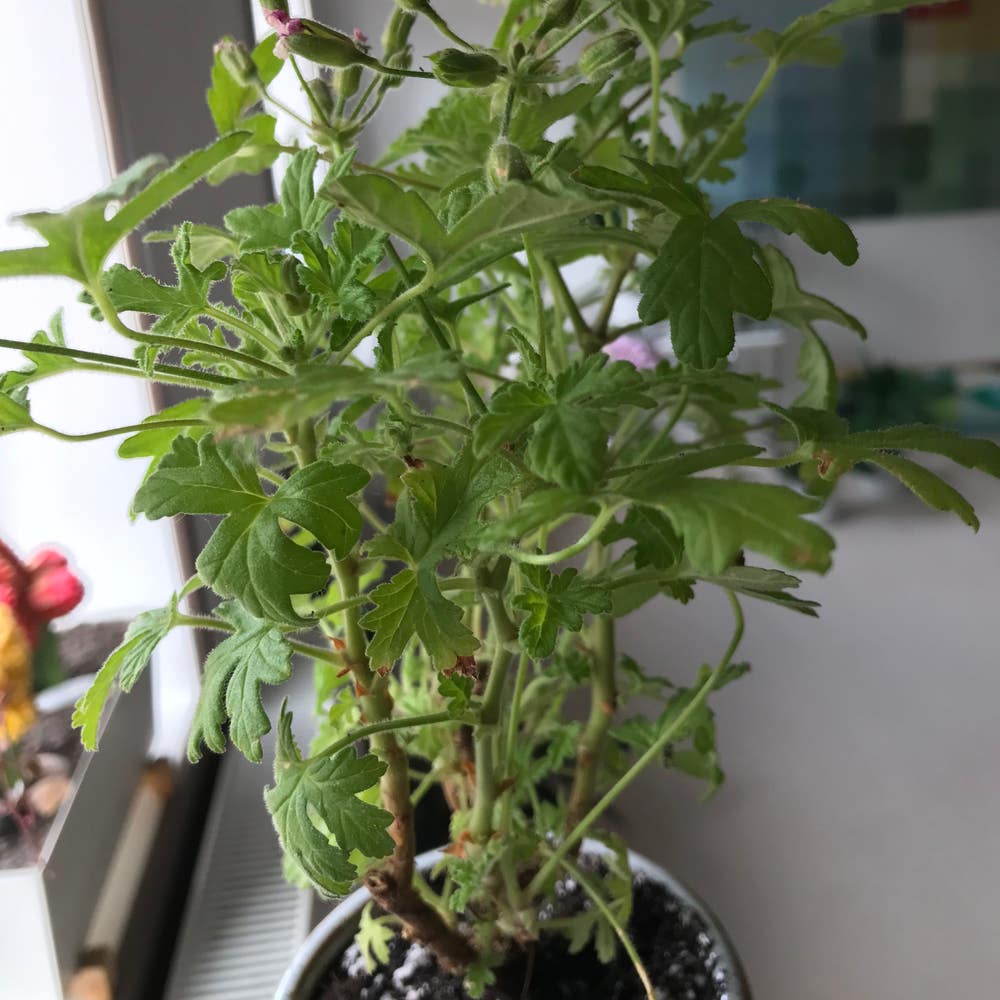
Should I Repot My Musk Mallow?
Malva moschata
By the Greg Editorial Team
Mar 15, 2024•4 min read
This article was created with the help of AI so we can cover more plants for you. May contain errors. See one? Report it here.
Boost your Musk Mallow's vigor 🌿 by mastering the when and how of repotting!
- Roots out drainage holes? Time to repot your Musk Mallow.
- 🌱 Spring repotting aligns with Musk Mallow's growth cycle.
- Choose a 2-inch larger pot with proper drainage for happy roots.
When Your Musk Mallow is Screaming for Space
🌱 Root Tell-Tales
Roots peeking out of drainage holes are like uninvited guests at a party—they show up when there's no more room inside. Musk Mallow roots should be comfortably contained, not spilling out like an overstuffed suitcase. If you spot a root tangle at the pot's bottom, it's a clear cry for a bigger living space.
🌿 Above the Soil Signs
Above the soil, your Musk Mallow might be staging a silent protest. Stunted growth or a top-heavy plant that looks like it's doing the Leaning Tower of Pisa impression are visual cues. Yellowing leaves? They're not just changing their outfit; they're signaling distress.
🕰 Timing is Everything
Spring is the Musk Mallow's version of New Year's resolution time—it's when they're ready to grow. Repotting during this season aligns with their natural growth cycle, giving them the best shot at thriving post-move. Avoid repotting in winter when the plant is more like a bear hibernating—best not to disturb.
Picking the Perfect Pot
🏺 Material Matters
Terracotta, plastic, and ceramic are the big three in pot materials, each with its own fan club. Terracotta is the old-school classic, known for its porous nature that lets soil breathe and dries out faster, making it a hit with those who fear overwatering. Plastic pots are the low-maintenance buddies, lightweight and budget-friendly, but they hold onto moisture like a clingy friend. Ceramic pots are the show-offs, sleek and stylish, but they can be heavy and pricey, so your wallet might not thank you.
📏 Size and Drainage
When sizing up your Musk Mallow's new abode, think "roomy but cozy." A pot that's too big can leave your plant swimming in soil, while a tight fit can cramp its style. Aim for a pot 2 inches larger than the current one to give those roots space to party. And let's not forget about drainage – it's the lifeline of your plant. Ensure your pot has at least one drainage hole; otherwise, you're setting the stage for a soggy disaster.
The Repotting Rundown
🌱 Prepping the Plant
Before you even think about touching your Musk Mallow, water it. This isn't just hydration; it's a strategic move to make the soil more pliable. Once the soil feels like a damp sponge, it's time to coax the plant out. Gently squeeze the pot or give it a tap-tap-tap to loosen the grip of the roots. Flip the pot, support the plant, and let gravity do its thing.
🔄 Step-by-Step Repotting
First, choose a clean stage for your plant's encore—rinse the new pot with soap and water. Lay down a layer of fresh, fluffy soil like a red carpet at the bottom. Now, for the main event: center your Musk Mallow in the new pot, and backfill with more soil. Press lightly to banish any air pockets but don't pack it down like you're shipping a fragile item. The soil level should be just right—not too deep, not too shallow. Think of it as setting a drink on a table, not burying treasure.
🏞️ Soil Selection
Your Musk Mallow craves well-draining soil like a gourmet meal. Mix peat, perlite, and a bit of sphagnum moss for a soil that's airy yet holds moisture like a pro. Add a handful of perlite to your store-bought mix to boost drainage. Remember, your plant's roots need to breathe, not swim.
After the Move: Musk Mallow Care
💦 Watering Wisdom
After repotting, watering your Musk Mallow is like hitting the reset button on its care routine. Soak the soil thoroughly to help settle any displaced roots and eliminate air pockets. Then, switch gears and let the topsoil dry slightly before the next watering. This isn't a time for guesswork; check the soil's moisture level to avoid overwatering. Your plant's roots need to breathe, not swim.
🚨 Spotting Stress Signals
Post-repotting, your Musk Mallow might look like it's had better days. Droopy leaves or a lackluster appearance are your cues to adjust care. This isn't the plant's way of being dramatic; it's a sign it's settling in. Hold off on the fertilizer—your Musk Mallow needs time, not extra nutrients. Keep a vigilant eye on its recovery, and remember, patience is key as your plant adapts to its new digs.
⚠️ Safety First
This content is for general information and may contain errors, omissions, or outdated details. It is not medical, veterinary advice, or an endorsement of therapeutic claims.
Always consult a qualified healthcare professional before using any plant as food, medicine, or supplement.
Never eat any plant (or feed one to pets) without confirming its identity with at least two trusted sources.
If you suspect poisoning, call Poison Control (800) 222-1222, the Pet Poison Helpline (800) 213-6680, or your local emergency service immediately.
Spotted an error? Please report it here.
Repot your Musk Mallow with confidence and zero guesswork 📅 by using Greg to remind you of the best time and provide personalized aftercare tips!