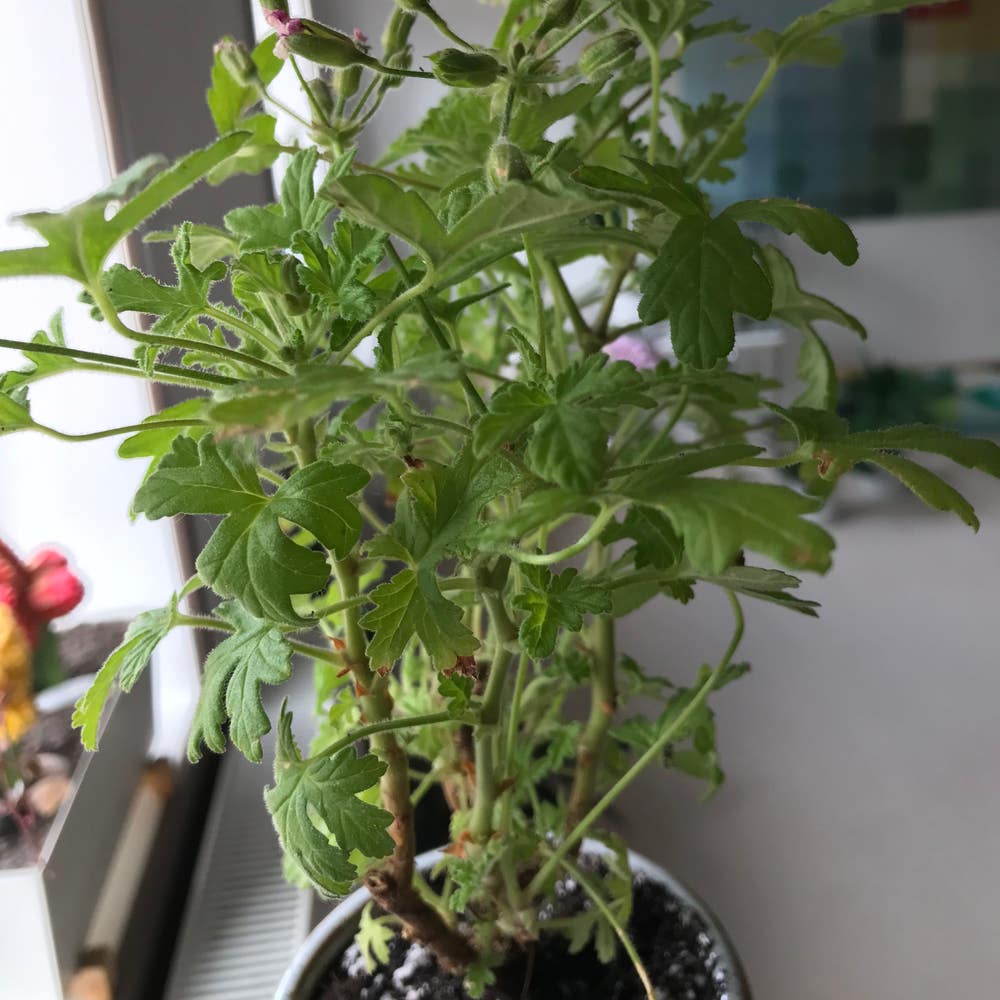
What Do Musk Mallow Flowers Mean?
Malva moschata
By the Greg Editorial Team
Mar 15, 2024•5 min read
This article was created with the help of AI so we can cover more plants for you. May contain errors. See one? Report it here.
Unearth the Musk Mallow's romantic whispers 🌺 and bloom-nurturing secrets for a resilient garden.
- 🌺 Musk Mallow symbolizes love, forgiveness, and resilience, with colors adding depth to meanings.
- ☀️🌡️ Full sun and warmth are key for Musk Mallow's vibrant blooms.
- 🌱 Well-drained soil and careful watering ensure healthy growth and flowering.
Unveiling the Meanings Behind Musk Mallow Blooms
🌺 Historical and Cultural Significance
📜 Delving into the Roots: Musk Mallow in History and Folklore
Musk Mallow, with its mucilaginous properties, has been more than a pretty face throughout history. It's been a cough suppressant and a boil softener. But let's get to the juicy stuff: it's also been a symbol of forgiveness and heart-softening. Christian symbolism pegs it as a cooler of passions, while European folklore fancied it as a beacon of youthful romance.
🌸 The Language of Flowers: What Musk Mallow Whispers in Tradition
Victorian floriography had a field day with Musk Mallow, casting it as a symbol of love that's all-consuming. It's the botanical equivalent of a love potion, believed to stoke the fires of passion. Yet, this same intensity branded it a symbol of weakness—a floral cautionary tale of being swept away by emotions.
🌼 Modern Interpretations
🎨 From Gardens to Gestures: Contemporary Meanings of Musk Mallow Flowers
Fast forward to today, and Musk Mallow's meanings have blossomed in new soil. It's a complex character in the garden drama, whispering tales of romantic interest, healing, and resilience. Each color adds a subplot: white for purity, pink for playfulness, and mauve for maturity. In the modern bouquet, it's a nod to the duality of love—both its sweetness and its potential to overwhelm.
The Secrets to a Flourishing Bloom
🌞 Prime Conditions for Musk Mallow Flowers
Sunlight is non-negotiable for Musk Mallow. These blooms are sun seekers, requiring full sun to unlock their flowering potential. Position them to bask in at least six hours of direct light daily; think of it as their version of a morning coffee.
Temperature plays a supporting role. Musk Mallow flowers thrive in warmth. They need a climate that's more beach vacation than Arctic expedition, so keep them cozy if you're expecting a show of blossoms.
💧 Soil and Water: The Foundations of Flowering
Soil type is like a backstage pass for Musk Mallow roots. They prefer their earth like a good cake mix: rich, well-drained, and a tad moist. A loamy or sandy soil that holds nutrients well will have your Musk Mallows nodding in approval.
Moisture levels are a balancing act. Think of water as the plant's playlist—too much and it's overwhelming, too little and the vibe's all off. Aim for consistently moist soil, but avoid waterlogging your Musk Mallow's roots. It's about keeping the rhythm, not drowning the beat.
When Musk Mallows Show Their Colors
🌸 Decoding the Blooming Cycles
Musk Mallow flowers are not just pretty faces; they're timekeepers of the garden. With a blooming period typically spanning from July to September, these plants offer a summer spectacle.
Sunlight is a non-negotiable for Musk Mallow blooms. They bask in the glory of long, sunny days to unfurl their petals. Too little light, and you're left with a foliage fest—no flowers in sight.
Temperature swings can either be a budding opportunity or a bloom's nemesis. Musk Mallows prefer the warmth, so when the mercury rises, expect them to put on their best show.
External factors like nutrient availability and watering habits can't be ignored. They're the behind-the-scenes crew that ensures the flowering performance goes off without a hitch.
Pest management is akin to bouncers at a club; they keep the riff-raff out so the Musk Mallow can bloom undisturbed. Use the blooming of other plants, like the Saucer Magnolia, as cues for when to protect your Musk Mallows from uninvited guests.
Remember, Musk Mallow is not a one-hit wonder. With the right conditions, they'll come back for an encore, year after year. Keep an eye out for the subtle signs—divided leaves and budding stems—that hint at the floral show about to begin.
Cultivating Musk Mallow for Vibrant Blooms
🌸 Encouraging Flowering in Your Garden
Musk Mallow, with its lovely large pink flowers, isn't just a pretty face; it's a resilient bloomer that's easy to please. To coax out those vibrant blooms, here's what you need to know.
☀️ Sunlight and Temperature
Full sun is non-negotiable. Musk Mallow thrives with at least six to eight hours of direct sunlight. If it's lounging in the shade, it's probably slacking off on the blooming front. Keep it warm, but not too hot; these flowers like it just right.
🌱 Soil and Watering
The soil should be well-draining; think of it as a comfy bed for roots, not a swamp. Water when the top inch of soil feels dry, but don't drown the poor thing. Consistency is key—water deeply, then let it get a bit thirsty before the next drink.
🌿 Nutrition and Maintenance
Feed your Musk Mallow a balanced diet of fertilizer during the growing season. It's like a power smoothie for plants. Deadheading, or snipping off spent flowers, encourages more to bloom. It's like telling the plant, "Hey, try again."
🐜 Pests and Diseases
Keep an eye out for uninvited guests. Pests and diseases can crash the blooming party. If you spot trouble, show them the door with insecticidal soap or fungicide. A healthy plant is your best defense.
Remember, Musk Mallow isn't high-maintenance, but it does need the right care to show off its full potential. Treat it well, and it'll reward you with a floral show that's worth the effort.
⚠️ Safety First
This content is for general information and may contain errors, omissions, or outdated details. It is not medical, veterinary advice, or an endorsement of therapeutic claims.
Always consult a qualified healthcare professional before using any plant as food, medicine, or supplement.
Never eat any plant (or feed one to pets) without confirming its identity with at least two trusted sources.
If you suspect poisoning, call Poison Control (800) 222-1222, the Pet Poison Helpline (800) 213-6680, or your local emergency service immediately.
Spotted an error? Please report it here.
Nurture your Musk Mallow's blooms to perfection 🌺 with Greg's tailored care schedule and expert pest management advice for a garden full of romance and resilience.