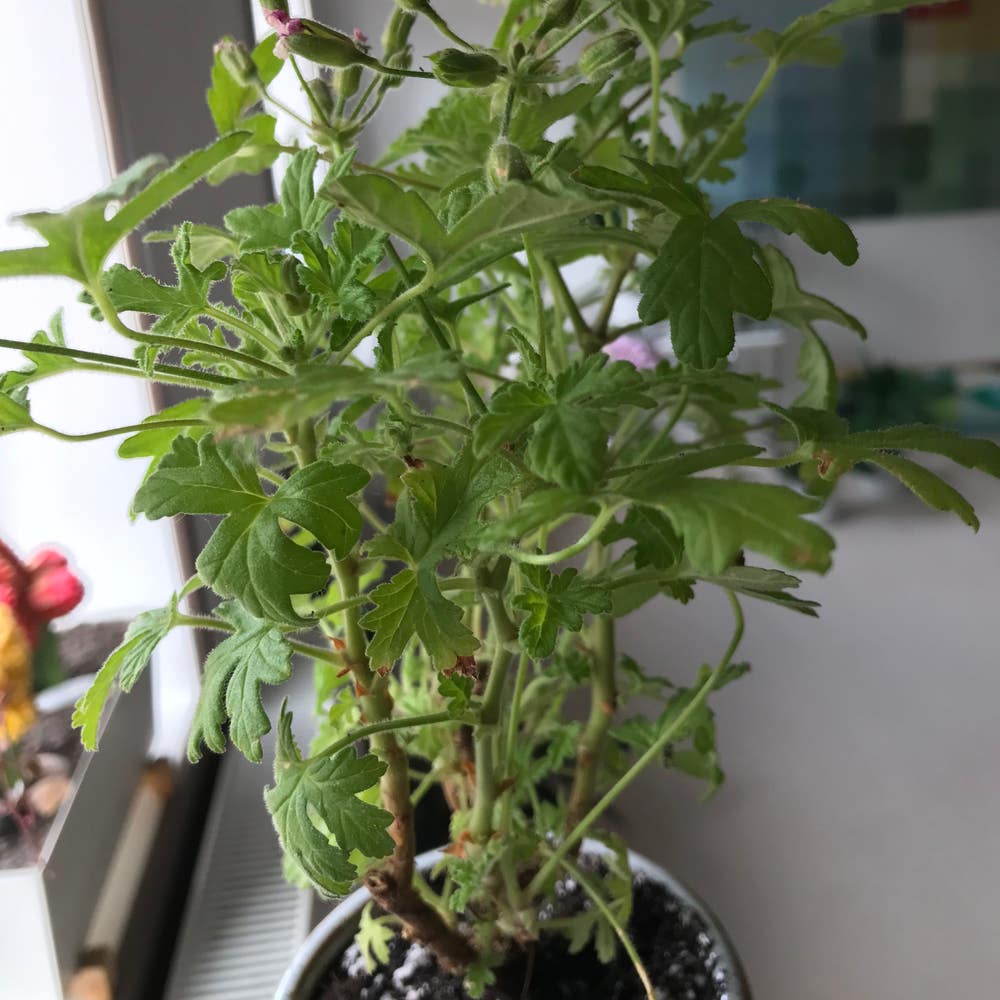
Common Musk Mallow Problems
Malva moschata
By the Greg Editorial Team
Mar 15, 2024•5 min read
This article was created with the help of AI so we can cover more plants for you. May contain errors. See one? Report it here.
Rescue your Musk Mallow from distress 🌿 and ensure its vibrant health with these crucial care tips.
- Wilting, discoloration, and bloom loss signal Musk Mallow distress.
- Water and light balance is crucial; watch for yellowing or crispy leaves.
- Inspect for pests and root rot; use organic remedies and proper soil.
When Your Musk Mallow Throws a Fit: Spotting the Signs
🥀 Wilting and Discoloration
Wilting is your Musk Mallow's non-verbal way of saying it's not okay. Leaves hanging limper than a deflated balloon are a distress call. Discoloration, such as leaves turning a sickly yellow or brown, is like your plant is waving a white flag. It's not trying out a new look; it's in trouble.
💔 Flower Power Failure
When your Musk Mallow's blooms start ghosting you, it's a sign of stress. If the floral show stops, it's not just being shy. It's a clear indicator that your plant is not getting what it needs, whether that's nutrients, water, or love.
🌱 Growth Grumbles
A Musk Mallow growing slower than a snail in peanut butter is screaming for help. Leaf drop is like your plant is shedding tears, and it's up to you to figure out why. Keep an eye out for these silent pleas for attention.
Water Woes: Too Much or Too Little
💧 Symptoms of H2O Hassles
Yellowing leaves on your Musk Mallow can be a red flag for overwatering. If the soil feels like a wet sponge, it's time to dial back on the water. Underwatering is just as problematic, with droopy leaves and dry, crispy edges signaling a cry for moisture. When the soil starts to pull away from the pot's edge, it's as parched as it gets.
🚰 The Balancing Act
Achieving the watering sweet spot requires observation and responsiveness. If the top inch of soil is dry, it's a green light to water. But if your plant perks up after watering, you've found the hydration sweet spot. Adjust your routine, ensuring the soil never swings to extremes of a swamp or a dust bowl. Remember, consistency is key, but so is flexibility—water needs can change with the seasons and indoor conditions.
Light and Temperature Tango
🌞 Sunburn and Shivers
If your Musk Mallow sports brown, crispy patches on its leaves, it's crying out for less sun. Conversely, dark, discolored leaves suggest it's not too thrilled with the cold. Both are your plant's way of waving a white flag at the extremes it's facing.
Finding the Comfort Zone
To keep your Musk Mallow in high spirits, monitor the light and temperature closely. Aim for a spot that offers bright, indirect sunlight—think of it as the plant's personal lounge area. Shield it from the harsh midday sun, perhaps with a sheer curtain or by positioning it a bit farther from the window. When the temperature drops, move your plant away from drafty spots and consider some insulation to keep it cozy. Remember, stability is key—avoid placing your Musk Mallow near air conditioning units or heaters to prevent temperature tantrums.
Bug Battles and Fungal Fiascos
🐛 Pests: The Unwanted Guests
Aphids and spider mites are like uninvited guests at a garden party, and they're not leaving without a fight. Aphids are notorious for their sticky residue, while spider mites leave behind fine webs and speckled leaves. Regular inspections are crucial, especially under the leaves where these pests love to lurk.
🍄 Mold and Fungus: The Sneaky Invaders
Mold and fungus prefer the shadows, thriving in moist, poorly ventilated areas. Yellowing leaves or a powdery substance are clear distress signals. Mold is not just an eyesore; it's a health hazard for your plant. Keep the air moving and the foliage dry to prevent these party crashers.
🌿 Fight Back with Nature's Arsenal
Organic remedies are your first line of defense. Neem oil and insecticidal soap can disrupt the pests' happy hour. Introducing natural predators like ladybugs can help keep the aphid population in check. For stubborn fungal issues, copper-based fungicides might be necessary, but always ensure they're safe for your Musk Mallow. Remember, the key to a pest-free plant is vigilance and quick action.
Root Rot: The Silent Killer
🚨 Telltale Signs Below the Soil
Root rot sneaks up like a thief in the night, often undetected until it's almost too late. Your Musk Mallow may be sending distress signals: stunted growth, leaves with the consistency of overripe fruit, and a foul odor from the soil. These are the cries for help you can't ignore.
🩺 Saving Your Plant from the Brink
When root rot hits, it's time to channel your inner plant surgeon. Gently lift your Musk Mallow from its pot and shake off the soil to reveal the root of the problem. Healthy roots are firm and white, while rotten ones are as mushy as a rotten tomato. With sterilized scissors, cut away the affected roots. No mercy—only the strong survive.
After the amputation, repot your Musk Mallow in fresh, well-draining soil. Choose a pot that doesn't hold water like a dam; drainage holes are your new best friends. Adjust your watering habits—let the soil dry out before giving it another drink. Overwatering is like overfeeding; it's done with love but can be deadly. Keep a vigilant eye on your recovering green friend, and with time, it should bounce back to its lush self.
⚠️ Safety First
This content is for general information and may contain errors, omissions, or outdated details. It is not medical, veterinary advice, or an endorsement of therapeutic claims.
Always consult a qualified healthcare professional before using any plant as food, medicine, or supplement.
Never eat any plant (or feed one to pets) without confirming its identity with at least two trusted sources.
If you suspect poisoning, call Poison Control (800) 222-1222, the Pet Poison Helpline (800) 213-6680, or your local emergency service immediately.
Spotted an error? Please report it here.
Keep your Musk Mallow blooming beautifully 🌸 with Greg's custom care reminders that tackle watering, sunlight, and pests, ensuring your plant's health and happiness.