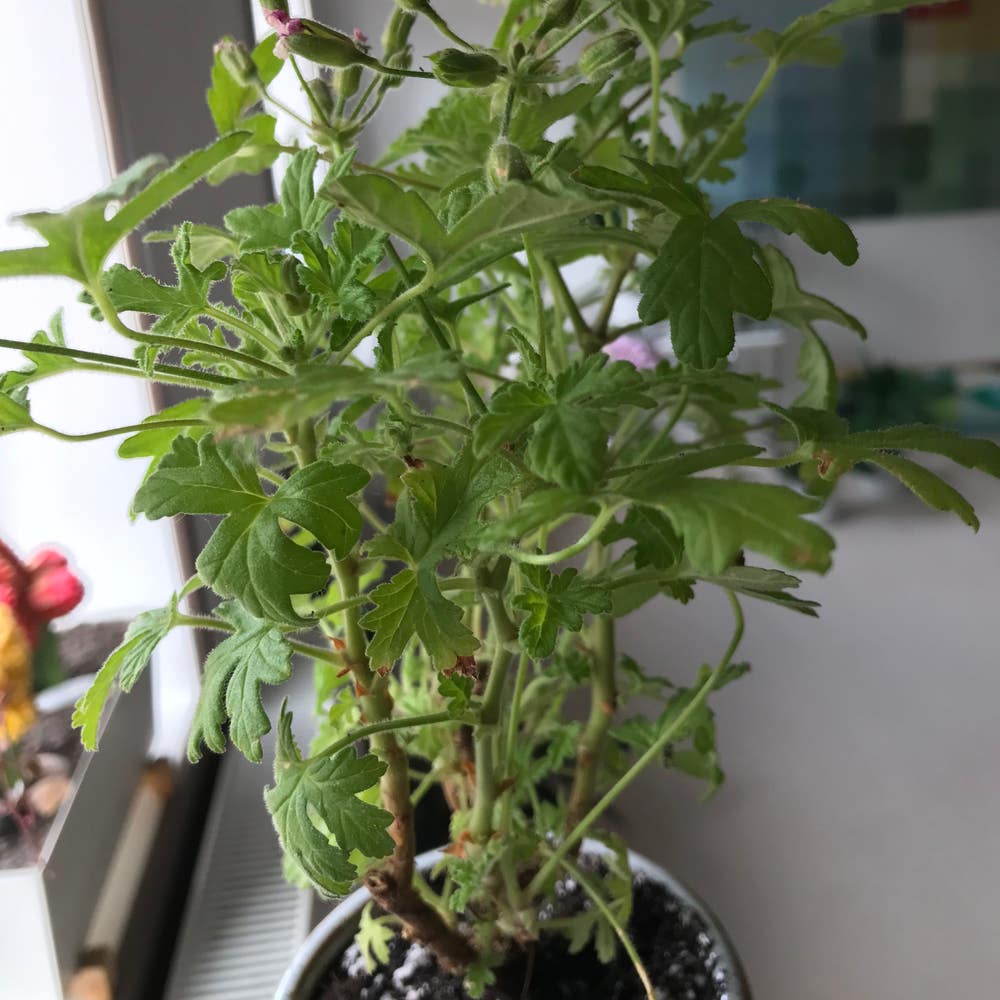
Why Are My Musk Mallow Leaves Curling?
Malva moschata
By the Greg Editorial Team
Mar 15, 2024•5 min read
This article was created with the help of AI so we can cover more plants for you. May contain errors. See one? Report it here.
Unravel the mystery behind curling Musk Mallow leaves and revive your plant's splendor 🌿✨!
- Curling leaves signal distress in Musk Mallow; address environmental or pest issues.
- 🌡️💧 Temperature, water, light balance is key to preventing curled leaves.
- Regular checks and care adjustments maintain Musk Mallow leaf health.
Spotting the Curl: Identifying Leaf Curl in Musk Mallow
🍃 Visual Symptoms
Curling Musk Mallow leaves can signal distress. This may manifest as leaves twisting or folding inwards, sometimes with a color change from vibrant green to dull yellow or brown. If leaves resemble crumpled paper, it's time for action.
🚫 Common Mistakes
Don't mistake natural leaf variations for curling. Musk Mallow leaves may have a gentle wave, but sharp bends or spirals are a red flag. Discoloration and necrotic spots often accompany true curling, indicating a deeper issue.
Rooting Out the Causes: What's Making Your Musk Mallow Leaves Curl?
🌬️ Environmental Stressors
Tackling Temperature Tantrums: Heat and Cold Stress
Temperature swings are public enemy number one for Musk Mallow leaves. When the mercury soars too high or dips too low, leaves curl up tighter than a roll of quarters. Heat stress makes leaves curl upwards, a plant's version of holding its breath, while cold stress has them curling downwards, as if trying to escape the chill.
When Water Becomes a Woe: Overwatering and Underwatering
Watering is a delicate dance, and getting it wrong is a common misstep. Overwatering turns the soil into a swamp, suffocating roots and causing leaves to curl down in despair. Underwatering, on the other hand, leaves the soil parched and leaves curling up, a silent scream for hydration. The soil should feel like a wrung-out sponge — moist but not waterlogged.
Light and Wind: Finding the Balance for Musk Mallow
Lighting can be a battlefield. Too much direct sunlight and Musk Mallow leaves curl up, trying to shield themselves from the spotlight. Too little, and they'll stretch and curl, reaching for every last photon. Wind, too, can be a foe, with strong gusts turning leaves into contorted flags. Aim for bright, indirect light and a sheltered spot to keep leaves flat and happy.
🐛 Pests and Pathogens
Unwanted Guests: Identifying Pests that Love Musk Mallow Leaves
Pests are the uninvited guests at the Musk Mallow party. Aphids, spider mites, and thrips see leaves as an all-you-can-eat buffet, resulting in curling and deformed foliage. Regular plant check-ups are essential — catch these critters early to avoid a full-blown infestation.
Fungal Foes: Recognizing Signs of Disease
Fungi are the silent invaders, often going unnoticed until it's too late. Powdery mildew and rust can cause leaves to curl and distort, a sign of the plant's distress. Keep an eye out for unusual spots or coatings and act fast — fungal diseases spread quicker than gossip in a small town.
Turning Over a New Leaf: Solutions for Curled Leaves
💧 Adjusting Care Routines
Watering wisdom is pivotal. Musk Mallow craves moisture consistency—think of the soil as a well-wrung sponge, moist but not drenched. Overwatering is a common misstep; it's like forcing your plant to sit in a puddle. Instead, let the top inch of soil dry out before offering another drink.
Adjusting to the seasonal shifts is also crucial. Less water may be needed during the cooler, dormant months, and more during the heat of summer. It's about syncing your plant's hydration to nature's tempo.
🌞 Sunlight and Shade
When it comes to light, Musk Mallow doesn't want a sunburn or to sit in the dark. It prefers a Goldilocks spot—bright, indirect light where the sun's rays are gentle. Use sheer curtains if necessary to filter harsh sunlight. Rotate the pot occasionally to ensure all sides receive equal love.
🐜 Pest and Disease Control
For pests, the goal is to be more of a bouncer than a brawler. Introduce beneficial insects or apply insecticidal soap to keep the pests at bay. It's about maintaining a clean, less inviting environment for the freeloaders.
Fungal foes require airflow to keep them from settling in. A light fan can discourage the microscopic invaders. If you spot signs of disease, consider organic fungicides as a first line of defense. They're like a gentle nudge rather than a sledgehammer to your plant's ecosystem.
👀 Keeping an Eye Out
Routine checks are like regular health screenings for your Musk Mallow. Stay observant and ready to tweak your care strategy as needed. It's not about being rigid but responsive to your plant's signals.
Preventing the Pout: Keeping Musk Mallow Leaves Happy
🌱 Proactive Plant Parenting
Resilience is key in Musk Mallow care. Like a well-oiled machine, your plant needs regular tune-ups to thrive.
- Watering: Strike a balance. Too much, and you're swimming in trouble; too little, and you're high and dry.
- Light: Musk Mallow loves the spotlight, but not too harsh. Think bright, indirect light.
- Soil: It should be nutrient-rich and well-draining. No one likes wet feet, especially not your Musk Mallow.
- Temperature: Keep it consistent. Sudden changes can make your plant throw a fit.
🕵️ Monitoring and Maintenance
Set up a care schedule. It's less about ticking boxes and more about keeping your plant in check.
- Inspections: Be vigilant. Pests are sneaky, and diseases can be stealthy.
- Adjustments: Be flexible. Seasons change, and so should your care routine.
- Pruning: Keep it tidy. A good trim encourages growth and keeps pests at bay.
Remember, proactive care is the secret sauce to a happy Musk Mallow.
⚠️ Safety First
This content is for general information and may contain errors, omissions, or outdated details. It is not medical, veterinary advice, or an endorsement of therapeutic claims.
Always consult a qualified healthcare professional before using any plant as food, medicine, or supplement.
Never eat any plant (or feed one to pets) without confirming its identity with at least two trusted sources.
If you suspect poisoning, call Poison Control (800) 222-1222, the Pet Poison Helpline (800) 213-6680, or your local emergency service immediately.
Spotted an error? Please report it here.
Prevent your Musk Mallow's leaves from curling 🍃 by letting Greg tailor your plant care, ensuring the perfect balance of water, light, and love.