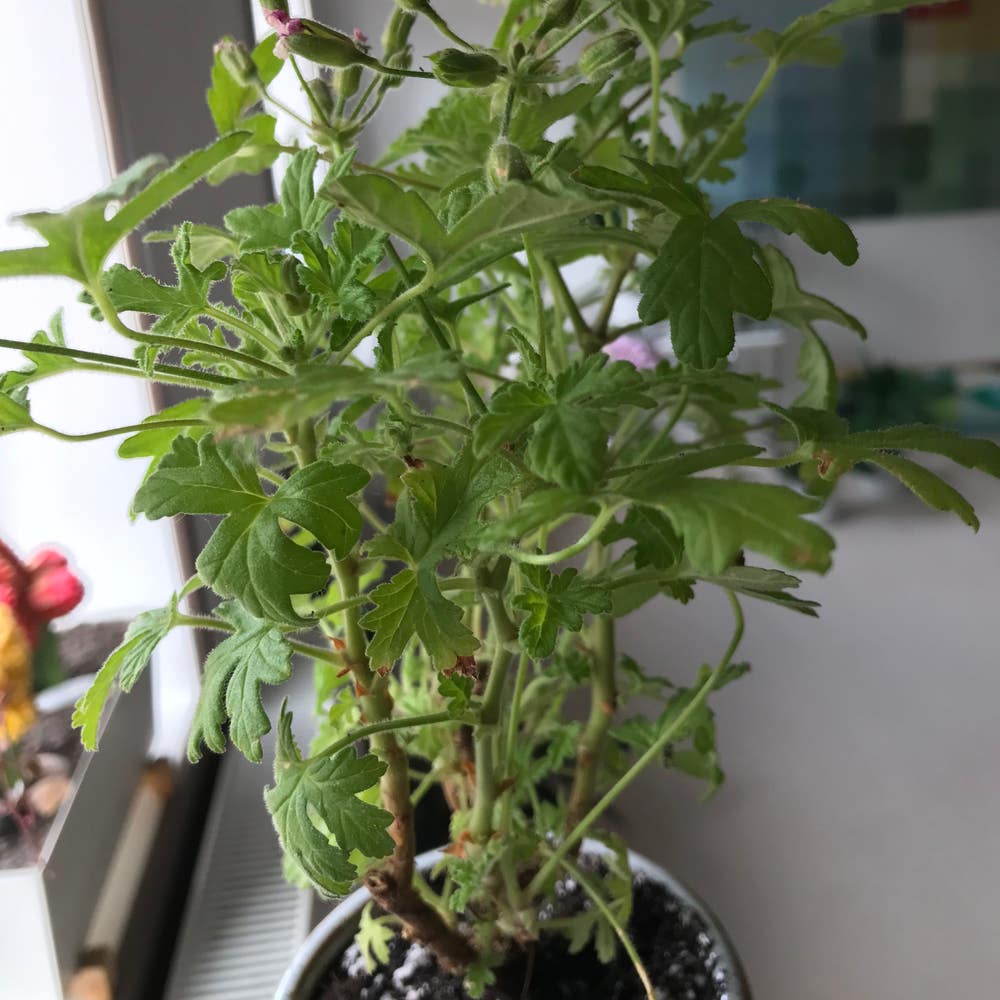
Why Are My Musk Mallow Leaves Falling Over?
Malva moschata
By the Greg Editorial Team
Mar 15, 2024•3 min read
This article was created with the help of AI so we can cover more plants for you. May contain errors. See one? Report it here.
Perk up your Musk Mallow 🌿 with expert tips to tackle droopy leaves for good!
- Over/underwatering and poor drainage lead to droopy Musk Mallow leaves.
- Pests and diseases silently contribute to leaf droopiness.
- Monitor and adjust care seasonally to keep leaves upright.
Pinpointing the Culprits Behind Droopy Leaves
💧 Water Woes
Overwatering can turn your Musk Mallow's roots into a soggy mess, while underwatering leaves them parched and desperate. Signs of overindulgence include leaves that are more limp than a forgotten birthday balloon, and soil that's wetter than a rainforest floor. On the flip side, if your plant's leaves crunch like autumn leaves underfoot, it's time to up the hydration game.
🌱 Soil Struggles
The right soil mix is like a good mattress for your plant's roots—it needs to be just right. If your Musk Mallow is slumping, the soil might be as compacted as a car in a crusher. Poor drainage is a silent killer, suffocating roots and destabilizing your plant's very foundation. Look for water that sits on top like an unwanted house guest or roots that are trying to escape through the drainage holes.
🐜 Unwanted Guests
Pests and diseases can be the ninjas of the plant world, striking silently but with devastating effect. Keep an eye out for the telltale signs of infestation: leaves that are stickier than a kid's candy-covered fingers or spotted like a Dalmatian. If your Musk Mallow is looking more like a horror movie set than a garden delight, it's time to play detective and root out these unwelcome visitors.
Turning the Tide: Effective Solutions
💧 Watering Wisdom
Watering your Musk Mallow shouldn't be a guessing game. Check the soil; if it's dry, it's time to water. Overwatering is a no-no, leading to root rot, while underwatering is like sending your plant on a forced march without a canteen. Find the sweet spot.
🌱 Soil Savvy
Your plant's roots need to breathe, and that means well-draining soil is a must. Mix in some perlite or vermiculite to your potting soil to keep it from getting waterlogged. Think of it as giving your plant's roots a pair of waders in a wet world.
🐛 Pest and Disease Defense
Pests and diseases are the party poopers of the plant world. Keep an eagle eye out for these troublemakers and act fast. Remove infected plants, improve drainage, and if you have to, bring out the big guns: fungicides. But only as a last resort, like calling in the cavalry when the fort's about to fall.
Proactive Practices to Keep Leaves Upright
💧 Consistent Care
Watering and feeding your Musk Mallow should be as regular as your caffeine fix. A balanced fertilizer is your plant's best friend, but like a clingy pal, too much can be a problem. Keep it moderate to avoid droopy leaves.
👀 Vigilant Monitoring
Regular checks for early signs of distress are crucial. It's like being a plant detective, always on the lookout for the slightest clue that could lead to leaf droop.
🌱 Seasonal Adjustments
Adapting care with the seasons is non-negotiable. Less water in winter, more in summer, and always keep an eye on how your plant responds—it's like tuning an instrument by ear.
✂️ Pruning and Grooming
Prune wisely. Snip off any sad-looking leaves to redirect your plant's energy to the foliage that's still in the game. It's like cutting off dead weight to let the good vibes flow.
🌡️ Environmental Control
Stable conditions are the secret sauce. Avoid drastic changes in temperature and light to keep your Musk Mallow from getting the droops. It's all about creating a chill zone for your green buddy.
⚠️ Safety First
This content is for general information and may contain errors, omissions, or outdated details. It is not medical, veterinary advice, or an endorsement of therapeutic claims.
Always consult a qualified healthcare professional before using any plant as food, medicine, or supplement.
Never eat any plant (or feed one to pets) without confirming its identity with at least two trusted sources.
If you suspect poisoning, call Poison Control (800) 222-1222, the Pet Poison Helpline (800) 213-6680, or your local emergency service immediately.
Spotted an error? Please report it here.
Revive your Musk Mallow's vigor by letting Greg guide 🌿 your watering routine and pest checks, ensuring your plant's leaves never lose their perk.