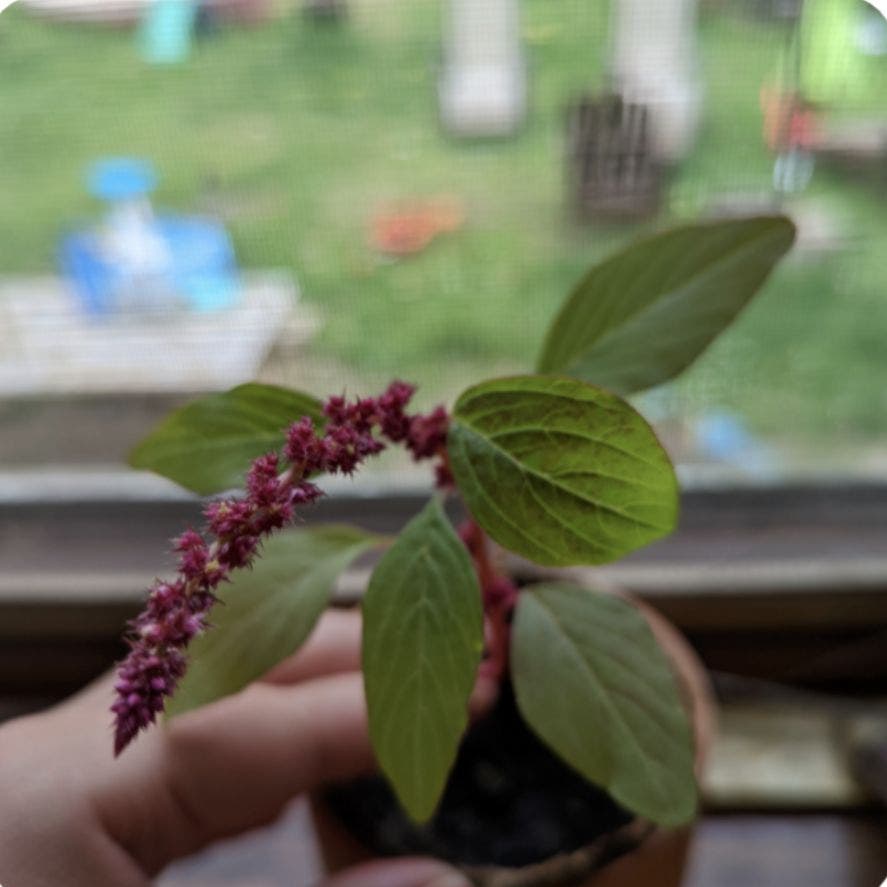
Why Are My Mexican Grain Amaranth Leaves Falling Over?
Amaranthus cruentus
By the Greg Editorial Team
Jun 18, 2024•4 min read
This article was created with the help of AI so we can cover more plants for you. May contain errors. See one? Report it here.
Stop your Amaranth's slump 🌾 with targeted fixes for a thriving, resilient plant!
- Nitrogen shortage may cause yellow Amaranth leaves.
- Overwatering leads to wilting; ensure moist, not soggy soil.
- Prevent pests and diseases with cleanliness and early treatment.
Spotting the Signs: Is Your Amaranth in Trouble?
💡 Nutrient Deficiency Symptoms
Yellow leaves could be whispering about a nitrogen shortage. If your Amaranth is all leaves and no flowers, it might be overdosing on nitrogen while starving for phosphorus and potassium. Wilting or drooping? That's a distress signal, possibly due to a lack of essential nutrients.
🚰 Water Woes: Overwatering and Poor Drainage
Wilting leaves can be a cry for help in a waterlogged situation. Brown leaves tattle on overwatering, while a foul smell or roots that resemble overcooked noodles are telltale signs of root rot. Ensure your Amaranth isn't sitting in soggy soil—its roots need to breathe, not swim.
🛡️ Pests and Diseases: The Usual Suspects
Pests love a stressed plant like a moth loves a flame. If you spot critters partying on your Amaranth, it's time to reassess your watering strategy. Black spots on leaves are alarm bells for diseases like anthracnose, especially if they show concentric rings. Keep an eye out for these signs and act promptly to keep your Amaranth thriving.

Feeding Your Amaranth Right
💪 Choosing the Right Fertilizer
Nutrient balance is crucial when selecting fertilizers for your Mexican Grain Amaranth. Opt for a balanced mix that caters to the plant's needs without causing a nutrient overload. While Amaranth isn't a heavy feeder, it does appreciate a boost during its growth phase. Look for fertilizers with equal parts nitrogen and phosphorus, as these are essential for healthy foliage and root development. Remember, moderation is your ally; excessive fertilization can harm more than help.
🌱 Soil Amendments for Strength
To fortify your Amaranth's growth environment, consider incorporating soil amendments. Adding compost can improve soil structure and provide a slow-release source of nutrients. This is akin to laying a strong foundation for a building; it supports the plant's overall health and resilience. Ensure the soil is well-draining to avoid waterlogging, which can weaken your Amaranth and cause leaves to fall over. A well-amended soil helps maintain the delicate moisture balance necessary for optimal plant health.

Watering Wisdom: Finding the Balance
💧 Adjusting Your Watering Habits
Check the soil moisture before watering; it's not about the calendar, it's about your plant's needs. Aim for soil that's moist, not soggy. Water thoroughly, allowing excess to drain out—no swimming pools for roots, please.
🚰 Improving Drainage
Clear drainage holes are non-negotiable; they're the escape route for excess water. If your pot's acting like a dam, consider repotting with a well-draining mix. It's like a foundation renovation for your plant's home. Seasonal adjustments are crucial; water more when it's hot, less when it's not. Keep an eye on the leaves—they'll tell you if you're hitting that hydration sweet spot.

Keeping the Critters at Bay
🐜 Early Detection and Treatment of Pests
Regular inspections are crucial in the fight against pests. Like a stealthy ninja, you must be vigilant, scanning your Mexican Grain Amaranth for early signs of infestation. Look for discoloration, webbing, or the pests themselves.
Quarantine any affected plants immediately. It's like implementing a no-fly zone; isolate the problem before it spreads.
Treat infestations with insecticidal soaps or horticultural oils. These are your first line of defense, acting as the bouncers to keep pests at bay. Apply with precision and persistence.
🦠 Disease Prevention and Control
Cleanliness is your plant's best friend. Remove plant debris promptly to avoid giving diseases a place to thrive. It's like housekeeping for plant health; a clean space is a healthy space.
Proactive care includes adjusting watering and fertilization to maintain robust plant health. Strong plants are like a fortress, less susceptible to diseases.
For fungal or bacterial issues, consider fungicides or bactericides. Timing is everything; apply them as soon as you detect trouble.
Cultural practices are your unsung heroes. Ensure good air circulation and avoid overcrowding. It's like social distancing for plants; give them room to breathe.
Keep a log of any issues and how you addressed them. This record is your playbook for future pest and disease management.
⚠️ Safety First
This content is for general information and may contain errors, omissions, or outdated details. It is not medical, veterinary advice, or an endorsement of therapeutic claims.
Always consult a qualified healthcare professional before using any plant as food, medicine, or supplement.
Never eat any plant (or feed one to pets) without confirming its identity with at least two trusted sources.
If you suspect poisoning, call Poison Control (800) 222-1222, the Pet Poison Helpline (800) 213-6680, or your local emergency service immediately.
Spotted an error? Please report it here.
Prevent your Amaranth's leaves from drooping by letting Greg remind you when to check soil moisture 🌱 and balance fertilization for plant health without the guesswork.