Best Temperature Conditions for Italian Heather 🌡️
Erica x darleyensis
By the Greg Editorial Team
Oct 04, 2024•3 min read
This article was created with the help of AI so we can cover more plants for you. May contain errors. See one? Report it here.
Unlock vibrant growth for your Italian Heather 🌱 by mastering temperature control and preventing stress all year round! 🌡️
- 🌡️ Italian Heather thrives between 15°C to 25°C (59°F to 77°F) for optimal growth.
- ❄️ Temperatures below 5°C (41°F) cause dormancy; protect plants from frost damage.
- 🌬️ Wind and poor drainage exacerbate temperature stress; ensure stable conditions for health.
Temperature Requirements for Growth
🌡️ Optimal Temperature Range
For Italian Heather, the sweet spot lies between 15°C to 25°C (59°F to 77°F). This range is crucial for promoting vibrant growth and ensuring that the roots thrive.
Maintaining soil temperatures within this range is vital. Healthy roots mean a healthier plant, so keep an eye on those soil conditions!
❄️ Temperature Thresholds for Dormancy
When temperatures dip below 5°C (41°F), Italian Heather can enter dormancy. This is a natural response to protect itself from the cold.
As spring rolls in, a gradual warming is essential for awakening the plant from its dormant state. Sudden temperature changes can disrupt this delicate process, so patience is key!
Signs of Temperature Stress
🌡️ Symptoms of Heat Stress
Heat stress can be a real challenge for Italian heather. One of the first signs is leaf curling, where leaves curl inward to minimize moisture loss.
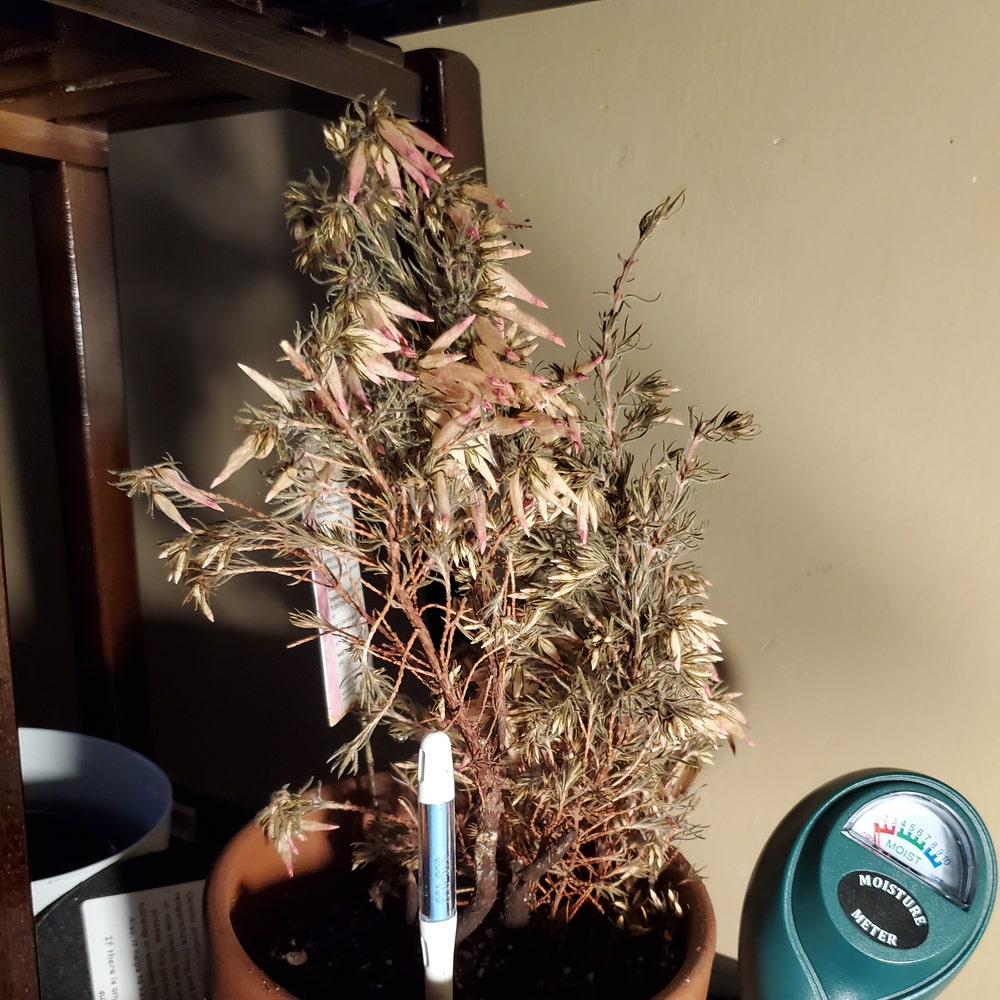
Another indicator is discoloration; leaves may turn yellow or brown, signaling distress. If you notice wilting, it’s a clear sign that the plant is struggling with excessive heat and insufficient water uptake.
❄️ Symptoms of Cold Stress
On the flip side, cold stress presents its own set of symptoms. Leaf drop can occur when temperatures dip too low, causing premature shedding.
You might also see frost damage; blackened or mushy leaves are telltale signs of frostbite, especially in younger plants. Lastly, stunted growth can happen during prolonged cold spells, where the plant's overall growth slows or halts.
Understanding these symptoms is crucial for maintaining the health of your Italian heather. By recognizing the signs of temperature stress, you can take timely action to protect your plants and ensure they thrive.
Causes of Temperature Stress
🌬️ Environmental Factors
Temperature stress in Italian heather often stems from environmental conditions.
Poor soil drainage can exacerbate temperature fluctuations, making it harder for roots to thrive.
Exposure to wind is another concern; it can lower perceived temperatures, increasing the risk of frost damage.
In urban settings, urban heat islands—areas dominated by concrete and asphalt—can lead to elevated temperatures, further stressing the plants.
⚡ Impact of Sudden Temperature Changes
Sudden temperature shifts can trigger a shock response in Italian heather.
This shock can manifest as wilting or premature leaf drop, signaling that the plant is struggling to cope.
Acclimatization is crucial; gradual exposure to temperature changes allows the plant to adapt healthily.
Understanding these factors can help you create a more stable environment for your Italian heather, ensuring it thrives through seasonal shifts.
Next, let’s explore the signs of temperature stress to better recognize when your plants need attention.
⚠️ Safety First
This content is for general information and may contain errors, omissions, or outdated details. It is not medical, veterinary advice, or an endorsement of therapeutic claims.
Always consult a qualified healthcare professional before using any plant as food, medicine, or supplement.
Never eat any plant (or feed one to pets) without confirming its identity with at least two trusted sources.
If you suspect poisoning, call Poison Control (800) 222-1222, the Pet Poison Helpline (800) 213-6680, or your local emergency service immediately.
Spotted an error? Please report it here.
Keep your Italian Heather thriving in perfect temperatures 🌡️ by using Greg's tailored tips to create a stable environment for optimal growth!