Ultimate Guide to Fixing Dropping Leaves on Italian Heather 🍂
Erica x darleyensis
By the Greg Editorial Team
Oct 04, 2024•6 min read
This article was created with the help of AI so we can cover more plants for you. May contain errors. See one? Report it here.
Keep your Italian Heather thriving and vibrant 🌿 by mastering the secrets to preventing leaf drop and ensuring plant health!
- 💧 Overwatering and underwatering both cause leaf drop in Italian Heather; balance is key.
- 🐛 Pest infestations like aphids can severely impact your Italian Heather's health.
- 🌞 Optimal light and temperature (60°F to 75°F) are crucial for preventing leaf drop.
Causes of Leaf Drop
💧 Overwatering and Its Effects
Overwatering is a common issue that can lead to significant leaf drop in Italian Heather. Symptoms include yellowing leaves, wilting despite moist soil, and the development of root rot.
The impact on plant health is severe. It reduces oxygen availability to the roots and increases susceptibility to fungal infections, making your plant more vulnerable.
🚰 Underwatering and Its Effects
On the flip side, underwatering can also cause leaf drop. Look for dry, crispy leaves, leaf drop—especially of older leaves—and stunted growth as key indicators.
This stress response compromises nutrient uptake, leading to further health issues for your plant.
🐛 Pest Infestations
Pests can wreak havoc on your Italian Heather, causing leaf drop and overall decline.
Common Pests
- Aphids: These tiny insects leave a sticky residue and cause curled leaves, weakening the plant structure.
- Spider Mites: Look for fine webbing and stippled leaves, which indicate reduced vigor and potential leaf drop.
🍄 Fungal Infections
Fungal infections, particularly root rot, can be detrimental to your plant's health.
Root Rot
Symptoms include wilting, yellowing leaves, and mushy roots. This condition often arises from overwatering and poor drainage.
To prevent root rot, ensure you use well-draining soil and adhere to proper watering techniques.
🌡️ Environmental Stress
Environmental factors like temperature and humidity play a crucial role in leaf health.
Temperature and Humidity
The ideal conditions for Italian Heather range from 60°F to 75°F (15°C to 24°C).
Extreme temperatures can lead to leaf drop: cold stress occurs in low temperatures, while heat stress can happen in high temperatures.
Understanding these causes will help you diagnose and address leaf drop effectively. Next, we’ll explore how to diagnose these issues accurately.
Diagnosing Leaf Drop Issues
🌱 Identifying Symptoms
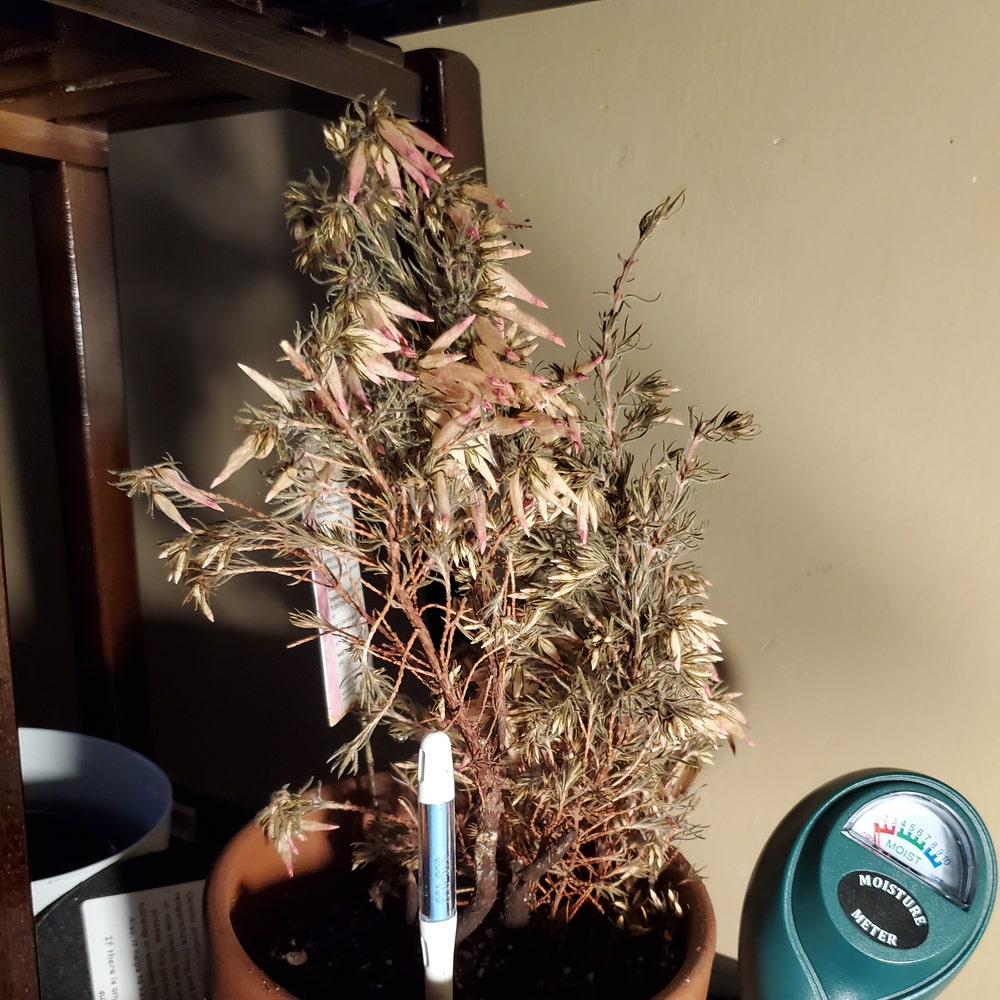
To effectively diagnose leaf drop in your Italian Heather, start with a soil moisture check. Use a moisture meter or your finger to assess if the soil is too wet or too dry.
Visual signs are also crucial. Look for yellowing leaves and evaluate root health to determine if your plant is struggling.
💧 Recognizing Signs of Underwatering
Underwatering can be just as detrimental. Check the soil; if it feels dry and crumbly, your plant may be thirsty.
Crispy leaves and overall wilting are clear indicators of stress from lack of water. Address these issues promptly to prevent further damage.
🐛 Checking for Pests and Their Damage
Pests can wreak havoc on your Italian Heather. Inspect the plant closely, looking under leaves and along stems for any signs of infestation.
Identifying the type of pest and assessing the extent of the damage is essential for effective treatment. Early detection can save your plant from severe harm.
🌍 Assessing Soil Health and Drainage
Healthy soil is vital for plant health. Start with a soil texture evaluation; compacted or heavy soils can hinder root growth.
Conduct a drainage test by watering the soil and observing how quickly it drains. Poor drainage can lead to root rot and other issues.
☀️ Evaluating Light Conditions
Light conditions play a significant role in your plant's well-being. Italian Heather thrives in full sun to partial shade, ideally receiving 6-8 hours of light daily.
If you notice stretching stems or pale leaves, your plant may not be getting enough light. Adjust its placement to ensure it receives adequate sunlight.
By diagnosing these issues early, you can take proactive steps to restore your Italian Heather's health. Next, let’s explore effective treatment solutions to address these leaf drop problems.
Treatment Solutions
Steps for Overwatered Plants 🌊
- Stop watering immediately. This is crucial to prevent further damage.
- Assess root health. Remove any rotten roots to promote recovery.
- Repot in fresh, well-draining soil. This helps restore oxygen flow to the roots.
Remedies for Underwatered Plants 💧
- Water thoroughly. Ensure moisture reaches the root zone for effective hydration.
- Mist leaves. This temporarily increases humidity, aiding recovery.
- Monitor soil moisture regularly. Consistent checks help prevent future issues.
How to Treat Pest Infestations 🐛
- Identify the pest type. Knowing what you're dealing with is key to effective treatment.
- Apply insecticidal soap or neem oil. These solutions are effective and less harmful to the plant.
- Monitor for re-infestation. Keep an eye out and repeat treatment if necessary.
Addressing Fungal Issues 🍄
- Remove affected plant parts. This helps stop the spread of the infection.
- Improve drainage. Reducing watering frequency can prevent future fungal growth.
- Apply fungicide if necessary. This can be a last resort for severe cases.
Rehabilitating Stressed Plants 🌱
- Assess and correct environmental conditions. Ensure your plant is in a suitable environment.
- Gradually acclimate to optimal light and temperature. Sudden changes can stress the plant further.
- Monitor recovery. Adjust care as needed to support your plant's health.
With these treatment solutions, you can effectively address the various issues causing leaf drop in your Italian Heather. Next, let’s explore long-term care strategies to keep your plant thriving.
Long-term Care Strategies
Best Practices for Ongoing Maintenance 🌱
Maintaining a regular watering schedule is crucial for your Italian Heather. Adjust your watering frequency based on seasonal needs to keep the plant thriving.
Soil health is equally important. Periodically test your soil and make amendments as needed to ensure optimal nutrient availability.
Seasonal Adjustments for Optimal Health ☀️
In winter, protect your Italian Heather from frost and reduce watering to prevent root rot. During summer, increase watering frequency and keep an eye out for pests that may thrive in warmer conditions.
Monitoring Plant Health Regularly 🔍
Conduct weekly inspections to catch any signs of stress or pest infestations early. Keeping a record of your watering and fertilization schedules can help you identify patterns and make necessary adjustments.
Importance of Proper Pruning ✂️
Proper pruning techniques can significantly enhance your plant's health. Remove any dead or damaged leaves to promote new growth and improve airflow.
Timing is key; the best time to prune is in early spring, just before the growing season kicks in. This will encourage robust new growth and keep your Italian Heather looking its best.
By following these long-term care strategies, you can ensure your Italian Heather remains healthy and vibrant throughout the seasons. Next, let's explore how to effectively treat any issues that may arise.
⚠️ Safety First
This content is for general information and may contain errors, omissions, or outdated details. It is not medical, veterinary advice, or an endorsement of therapeutic claims.
Always consult a qualified healthcare professional before using any plant as food, medicine, or supplement.
Never eat any plant (or feed one to pets) without confirming its identity with at least two trusted sources.
If you suspect poisoning, call Poison Control (800) 222-1222, the Pet Poison Helpline (800) 213-6680, or your local emergency service immediately.
Spotted an error? Please report it here.
Keep your Italian Heather thriving 🌿 by using Greg's tailored watering alerts and pest detection tips to prevent leaf drop and ensure optimal growth!