4 Outdoor Care Tips for Italian Heather 🌸
Erica x darleyensis
By the Greg Editorial Team
Oct 04, 2024•5 min read
This article was created with the help of AI so we can cover more plants for you. May contain errors. See one? Report it here.
Unlock a vibrant garden with thriving Italian Heather by mastering its sunlight and watering needs! 🌱
- ☀️ Italian Heather needs 6-8 hours of sunlight for optimal growth and health.
- 💧 Water deeply once a week, adjusting for heat to prevent yellowing leaves.
- 🌱 Well-drained, acidic soil is essential; use peat moss and pine bark for best results.
Sunlight and Watering Needs
🌞 Ideal Sunlight Exposure
Italian Heather thrives in full sun, requiring 6-8 hours of direct sunlight daily. In hotter climates, it can tolerate some partial shade, making it a versatile choice for various garden settings.
💧 Watering Frequency and Techniques
To keep your Italian Heather healthy, water deeply once a week. During extreme heat, increase the frequency to ensure it stays hydrated.
Effective Watering Techniques
Utilize a soaker hose or drip irrigation to minimize moisture on the foliage. This method helps prevent fungal diseases and keeps the leaves dry.
Signs of Overwatering
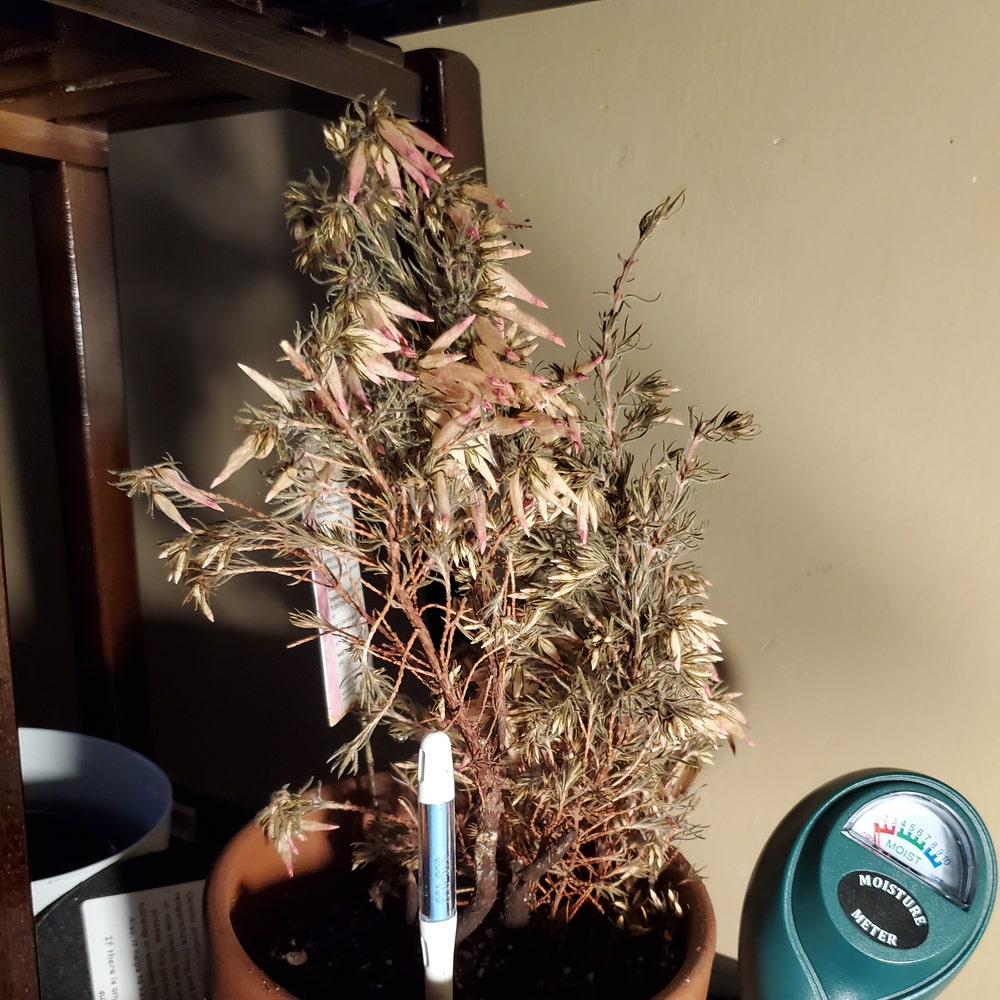
Watch for yellowing leaves and wilting, even when the soil feels moist. These symptoms indicate that your plant may be receiving too much water, so adjust your watering schedule accordingly.
With the right sunlight and watering practices, your Italian Heather will flourish, setting the stage for a vibrant garden. Next, let’s explore the best soil and fertilization preferences to support its growth.
Soil and Fertilization Preferences
Best Soil Types 🌱
Italian Heather thrives in well-drained, acidic soils with a pH between 5.5 and 6.5. For optimal growth, consider a soil mix composed of 50% peat moss, 30% pine bark, and 20% perlite.
Fertilization Schedule and Types 🌿
To nourish your Italian Heather, use a slow-release, acid-loving plant fertilizer in early spring. Fertilize every 6-8 weeks during the growing season to keep your plants vibrant and healthy.
Organic options like fish emulsion or seaweed extract can also provide excellent nutrients. These alternatives not only support growth but also enhance soil health.
By understanding the soil and fertilization needs of Italian Heather, you can create a thriving environment for this beautiful plant. Next, let's explore the various planting options available, whether in containers or directly in the ground.
Planting Options: Container vs. Ground
🌱 Benefits and Drawbacks of Container Planting
Container planting offers remarkable flexibility. You can easily move your Italian Heather to optimize sunlight exposure or protect it from harsh weather.
However, this method has its limitations. The restricted root space can stunt growth, and you’ll need to water and fertilize more frequently to keep your plants thriving.
🌍 Benefits and Drawbacks of Ground Planting
Planting directly in the ground provides ample space for root expansion. This leads to healthier, more robust plants that can access nutrients more effectively.
On the downside, ground planting comes with challenges. You have less control over soil conditions, which may necessitate amendments, and your plants are more susceptible to outdoor pests and diseases.
Understanding these options will help you make the best choice for your Italian Heather, ensuring it flourishes in your garden. Next, let’s explore how to protect your plants from weather extremes and pests.
Protection from Weather and Pests
🌧️ Strategies for Weather Protection
Mulching is a simple yet effective strategy for protecting your Italian Heather. By applying a 2-3 inch layer of organic mulch, you can retain moisture and regulate soil temperature, creating a more stable environment for your plants.
Windbreaks are another essential tactic. Installing barriers can shield your Italian Heather from strong winds, which can cause stress and damage.
🐞 Common Outdoor Pests and Management Techniques
Aphids are a common nuisance for Italian Heather. Look for signs like sticky residue and curled leaves, which indicate their presence. To control these pests, consider introducing beneficial insects like ladybugs or using insecticidal soap.
Spider mites can also pose a threat. They leave fine webbing and cause stippled leaves. Increasing humidity around your plants and using miticides can help manage these pesky invaders.
🦠 Diseases and Prevention Methods
Root rot is a serious concern for Italian Heather. Symptoms include wilting and yellowing leaves, signaling that your plant is struggling. To prevent this, ensure your soil is well-drained and avoid overwatering.
Fungal infections can also affect your plants. Look for leaf spots and blight as warning signs. Maintaining good air circulation and avoiding overhead watering can significantly reduce the risk of these diseases.
By implementing these protective measures, you can help your Italian Heather thrive in various weather conditions and fend off pests and diseases. Next, let’s explore seasonal care and climate considerations to keep your plants healthy year-round.
Seasonal Care and Climate Considerations
🌸 Seasonal Changes and Their Impact on Care
Spring is the perfect time to fertilize and prune your Italian Heather. This encourages robust new growth, setting the stage for a vibrant season ahead.
In summer, keep a close eye on watering. Mulching is essential to retain moisture during those hot months.
🌍 Special Considerations for Different Climate Zones
Italian Heather thrives best in USDA Hardiness Zones 5-9. If you're in a hotter, drier area, be prepared to adjust your watering schedule accordingly.
Understanding your local climate conditions can make a significant difference in your plant's health. More frequent watering may be necessary in those sweltering months.
❄️ Preparing for Winter
As winter approaches, it's crucial to protect your plants. Apply a generous layer of mulch around the base to insulate the roots.
For younger plants, consider wrapping them in burlap to shield against frost. This extra layer of protection can make all the difference in their survival through the colder months.
With these seasonal care tips, your Italian Heather will not only survive but thrive, ready to burst back to life when spring returns. Next, let’s explore how to protect your plants from weather extremes and pesky pests.
⚠️ Safety First
This content is for general information and may contain errors, omissions, or outdated details. It is not medical, veterinary advice, or an endorsement of therapeutic claims.
Always consult a qualified healthcare professional before using any plant as food, medicine, or supplement.
Never eat any plant (or feed one to pets) without confirming its identity with at least two trusted sources.
If you suspect poisoning, call Poison Control (800) 222-1222, the Pet Poison Helpline (800) 213-6680, or your local emergency service immediately.
Spotted an error? Please report it here.
Transform your garden into a blooming paradise 🌼 with these Italian Heather care tips, and let Greg guide you with personalized watering reminders and soil advice for thriving plants!