🌸 Italian Heather - Ultimate Guide to Fertilizing
Erica x darleyensis
By the Greg Editorial Team
Oct 04, 2024•5 min read
This article was created with the help of AI so we can cover more plants for you. May contain errors. See one? Report it here.
Transform your Italian Heather into a vibrant masterpiece with essential nutrients and expert fertilization tips! 🌱
- 🌱 Italian Heather thrives on balanced nutrients: nitrogen, phosphorus, and potassium are essential.
- ⚠️ Over-fertilization harms growth; monitor carefully to avoid leaf burn and stunted blooms.
- 🧪 Regular soil testing ensures tailored fertilization for optimal health and vibrant growth.
Nutrient Requirements for Healthy Growth
Essential Nutrients 🌱
Italian Heather thrives on a balanced diet of essential nutrients.
- Nitrogen (N) is crucial for promoting lush leaf growth and overall vigor.
- Phosphorus (P) plays a vital role in root development and flowering, ensuring your plants bloom beautifully.
- Potassium (K) enhances disease resistance and contributes to the overall health of the plant.
Specific Nutrient Needs ⚗️
Italian Heather is sensitive to over-fertilization, making careful nutrient management essential.
Regular soil testing is key to monitoring nutrient levels and pH, helping you tailor your fertilization strategy effectively. This proactive approach ensures your plants receive the right nutrients without the risk of nutrient burn.
By understanding these nutrient requirements, you can foster a thriving environment for your Italian Heather. Next, let’s explore the types of fertilizers that will best support their growth.
Types of Fertilizers Suitable for Italian Heather
🌱 Organic vs. Synthetic Fertilizers
Organic Fertilizers
Organic fertilizers are a fantastic choice for Italian Heather. They offer slow-release nutrients, improve soil structure, and boost microbial activity, creating a healthier environment for your plants.
Common examples include compost, well-rotted manure, and organic granular fertilizers. These options not only nourish your plants but also enrich the soil over time.
Synthetic Fertilizers
On the other hand, synthetic fertilizers provide quick nutrient availability and precise nutrient ratios. They can be effective but come with a caveat: there's a risk of nutrient burn if applied excessively.
Using synthetic options requires careful monitoring to ensure your Italian Heather thrives without harm.
💧 Slow-Release vs. Liquid Fertilizers
Slow-Release Fertilizers
Slow-release fertilizers are ideal for maintaining a steady supply of nutrients. They gradually release nutrients, significantly reducing the risk of over-fertilization.
Recommended types include Osmocote or similar formulations, which are designed to provide consistent nourishment throughout the growing season.
Liquid Fertilizers
Liquid fertilizers, in contrast, are fast-acting and perfect for quick nutrient boosts. They can be applied every 4-6 weeks during the growing season to support vigorous growth.
Choosing the right type of fertilizer is crucial for your Italian Heather's health. With the right balance, your plants will flourish beautifully.
Fertilizing Schedule for Italian Heather
🌱 Spring Fertilization
Timing is crucial for Italian Heather. Fertilize in early spring, just before new growth begins, to give your plants a robust start.
For this season, a balanced slow-release fertilizer, like a 10-10-10 mix, is ideal. Use 1-2 tablespoons per plant, adjusting based on size.
☀️ Summer Fertilization
As summer rolls in, it's time for a nutrient boost. Mid-summer, during peak growth, apply a liquid fertilizer, such as a 20-20-20 formulation.
Dilute according to package instructions and apply every 4-6 weeks. This ensures your Italian Heather remains vibrant and healthy.
🍂 Fall Fertilization
As the growing season winds down, prepare your plants for dormancy. Fertilize in late summer to early fall, after blooming has finished.
Opt for a low-nitrogen fertilizer to help your plants transition. A dosage of 1 tablespoon per plant is sufficient to support their needs during this period.
With a solid fertilizing schedule in place, your Italian Heather will thrive through the seasons. Next, let’s explore how to apply fertilizer effectively for optimal results.
How to Apply Fertilizer
🌱 Application Techniques
Applying fertilizer correctly is crucial for the health of your Italian Heather.
For granular fertilizer, spread it evenly around the base of the plant, ensuring it doesn’t touch the stems. This helps prevent any potential damage while allowing the nutrients to reach the roots effectively.
When using liquid fertilizer, opt for a watering can or sprayer. This method ensures even coverage, delivering nutrients directly to the soil where your plant can absorb them quickly.
⚖️ Recommended Dosage
Getting the dosage right is key to successful fertilization.
As a general guideline, use 1-2 tablespoons of granular fertilizer per plant. For liquid fertilizers, dilute according to the package instructions to avoid overwhelming your plant.
Always adjust the amount based on the size and health of your Italian Heather. A little care goes a long way in keeping your plants thriving.
With these techniques and dosages in mind, you’re well on your way to nurturing your Italian Heather. Next, let’s explore the signs of over-fertilization to ensure your plants remain healthy and vibrant.
Signs of Over-Fertilization
Symptoms to Watch For 🌱
Over-fertilization can sneak up on even the most diligent gardeners. Keep an eye out for these telltale signs:
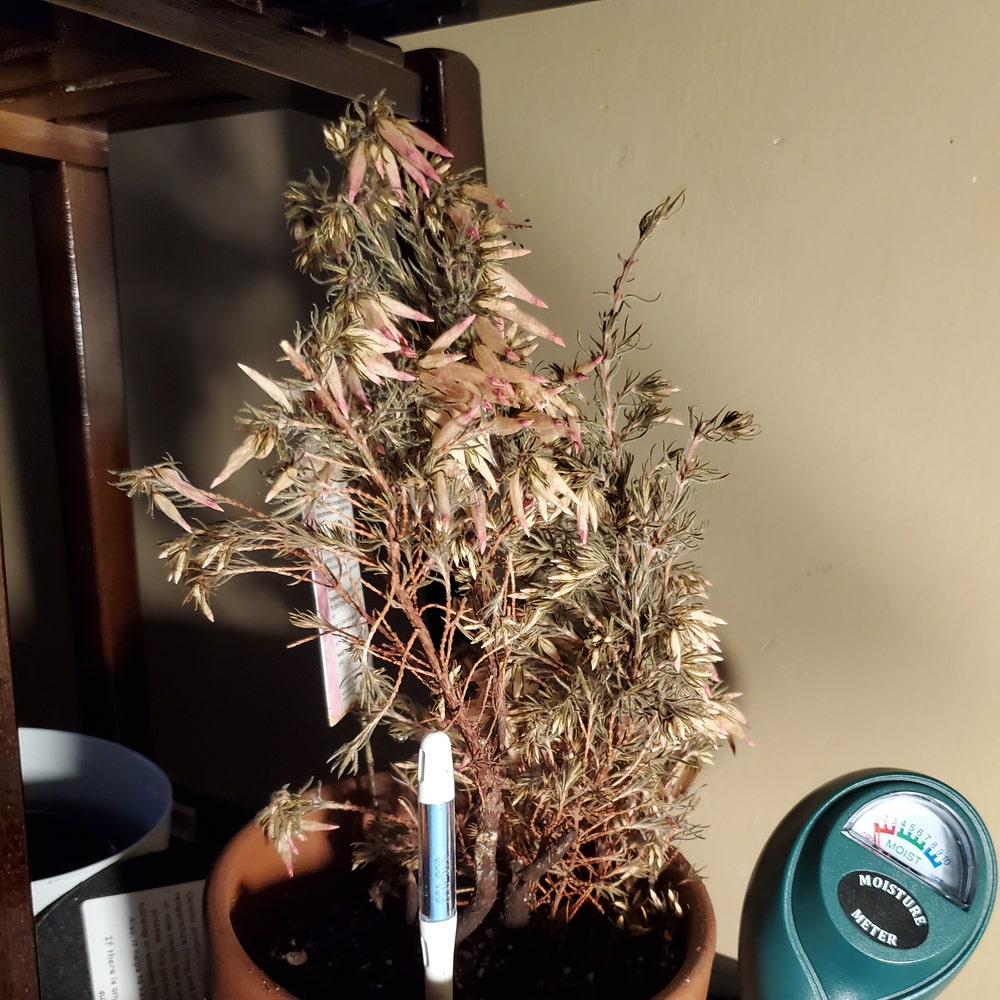
Leaf Burn: Look for browning edges and tips on leaves. This is a clear indicator that your Italian Heather is getting too much of a good thing.
Stunted Growth: If your plant seems to be stuck in place, lacking new growth despite regular watering, it might be time to reassess your fertilization strategy.
Poor Blooming: Reduced flower production or oddly shaped blooms can signal that your plant is overwhelmed by nutrients rather than thriving.
How to Remedy Over-Fertilization 🛠️
If you suspect your Italian Heather has been over-fertilized, don’t panic. Here’s how to help it bounce back:
Flush the Soil: Water the plant thoroughly to leach out excess nutrients. This helps reset the soil balance.
Adjust Fertilization Schedule: Cut back on how often and how much you fertilize. A lighter touch can make a world of difference.
Monitor Plant Health: Keep an eye on your plant over the next few weeks. Look for signs of recovery, such as new growth and improved blooming.
By staying vigilant and responsive, you can ensure your Italian Heather remains healthy and vibrant. Next, let’s explore the best fertilizing schedule to keep your plants thriving throughout the seasons.
⚠️ Safety First
This content is for general information and may contain errors, omissions, or outdated details. It is not medical, veterinary advice, or an endorsement of therapeutic claims.
Always consult a qualified healthcare professional before using any plant as food, medicine, or supplement.
Never eat any plant (or feed one to pets) without confirming its identity with at least two trusted sources.
If you suspect poisoning, call Poison Control (800) 222-1222, the Pet Poison Helpline (800) 213-6680, or your local emergency service immediately.
Spotted an error? Please report it here.
Achieve vibrant blooms 🌼 for your Italian Heather by using Greg's personalized fertilization reminders and soil testing tips to keep your plants thriving all season long!